Architecture
Remarkable architecture
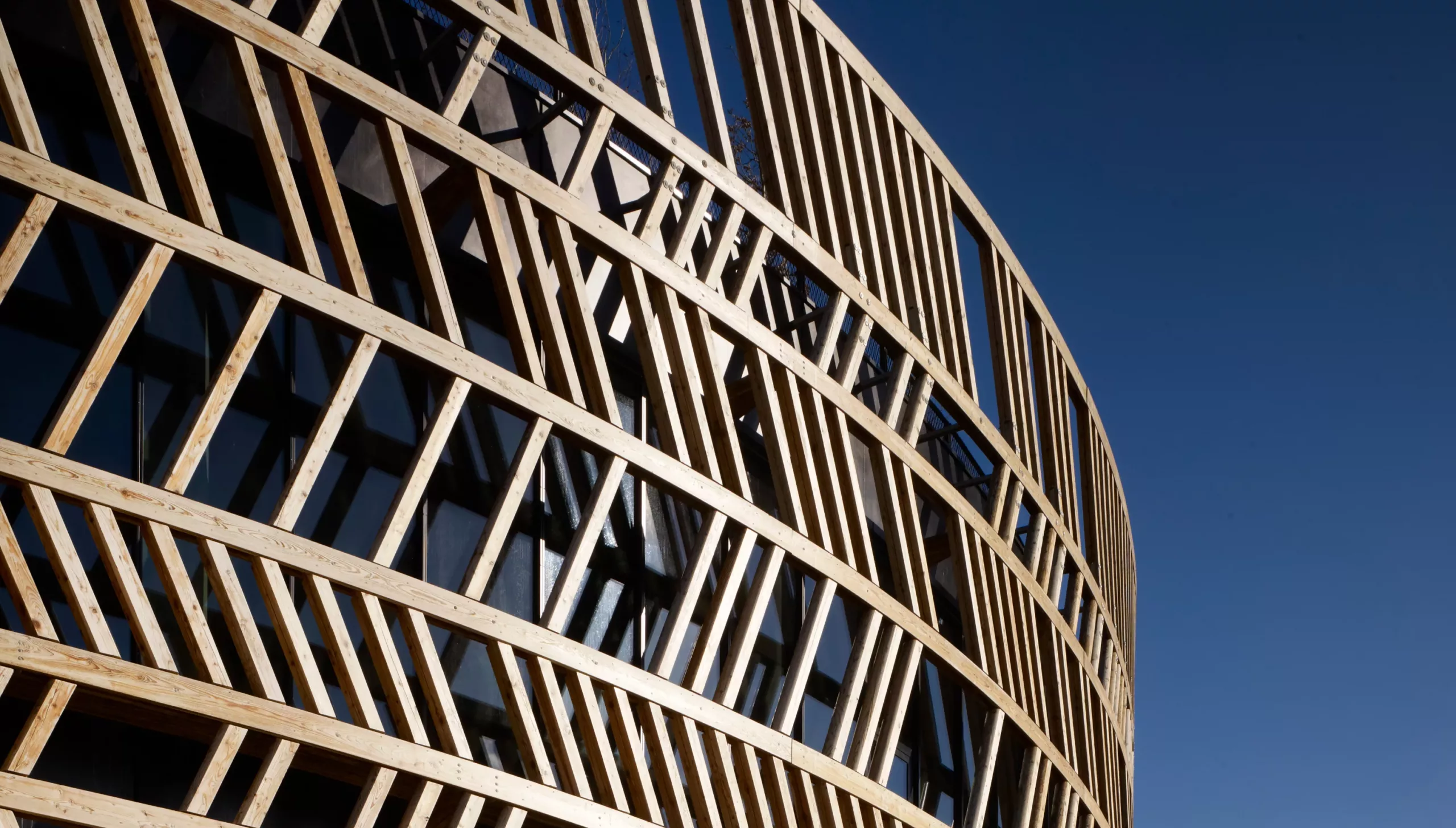
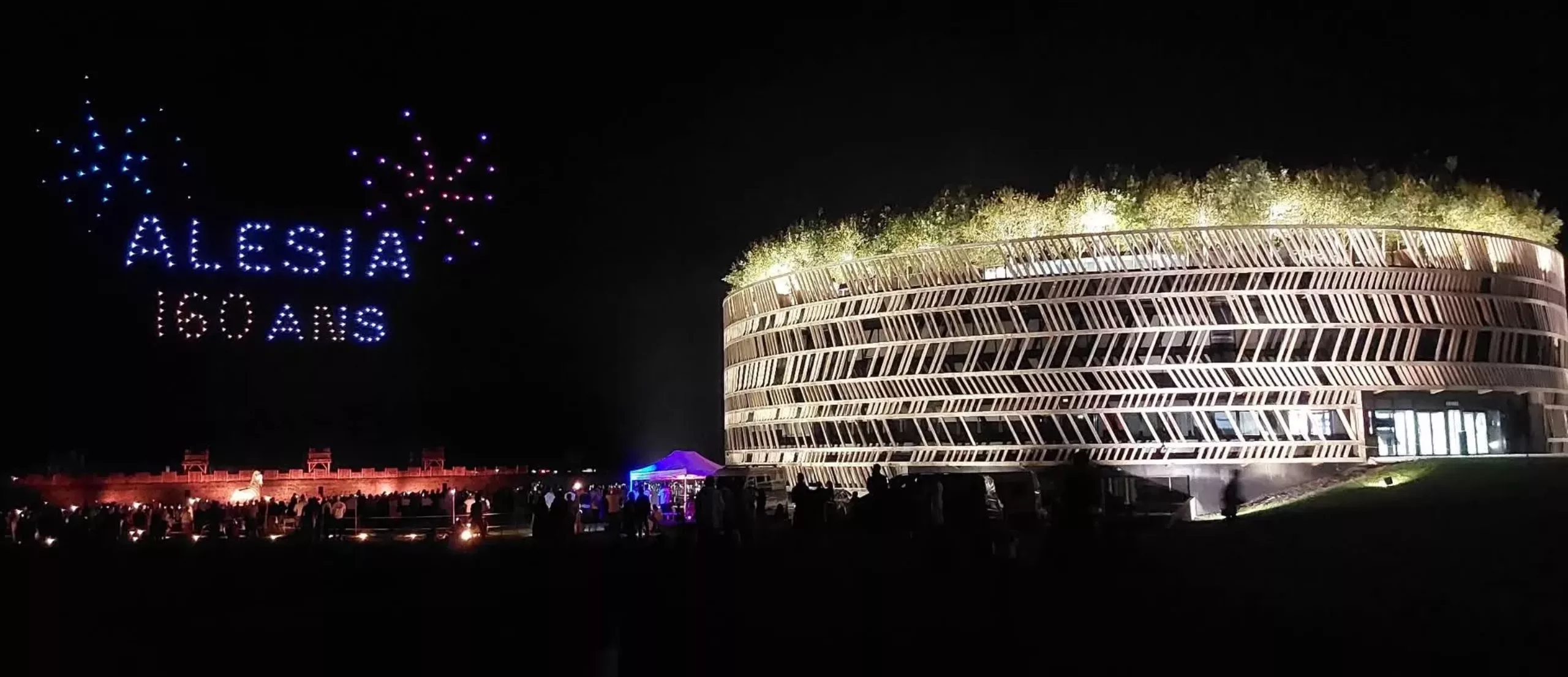
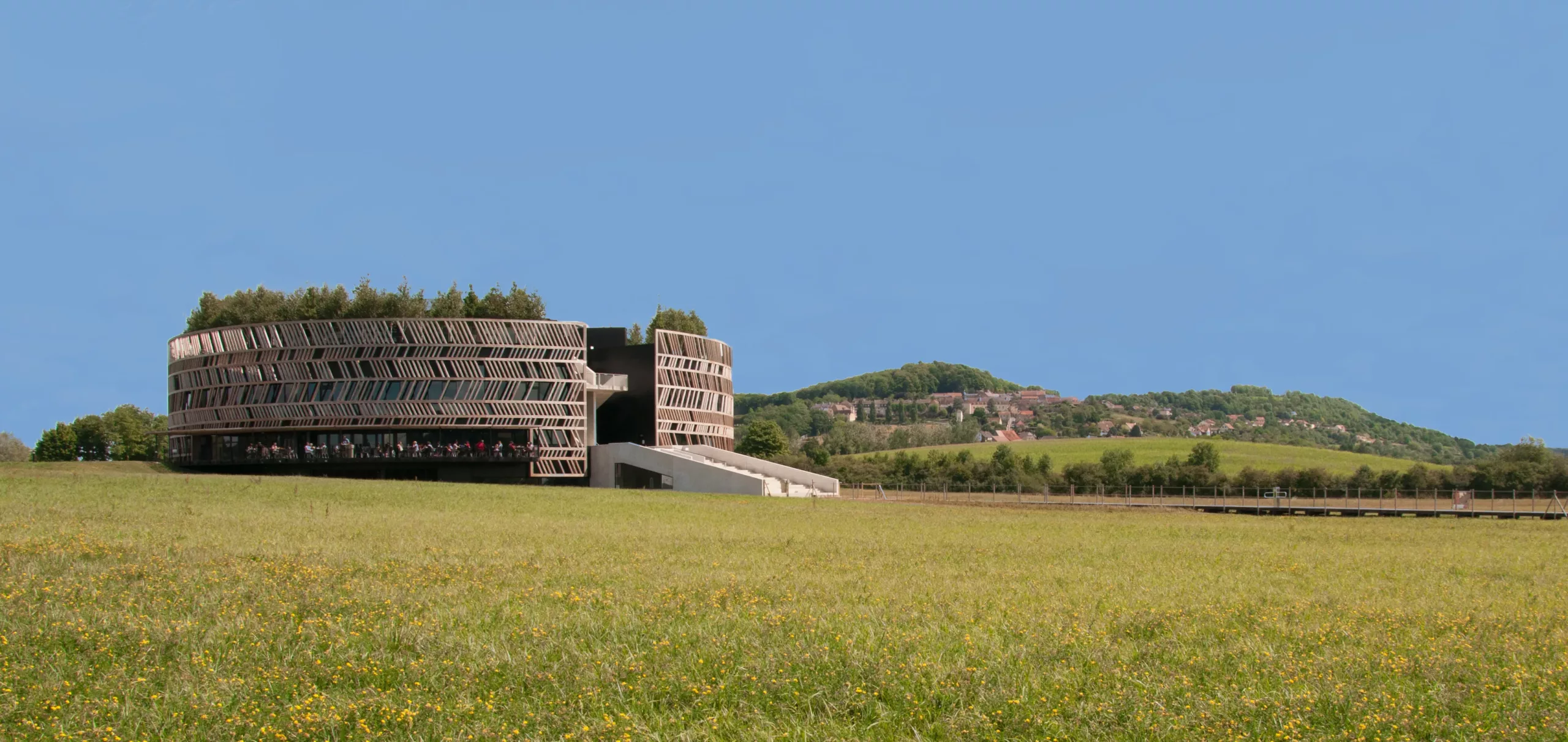
The MuséoParc Alésia, designed by the Franco-Swiss architect Bernard Tschumi, embodies a powerful dialogue between history and modernity. Its circular architecture symbolises the encirclement of the Gauls by Roman troops, whilst opening out onto the majestic surrounding landscape.
Both massive and light, the building plays on the duality between the stability of Gallo-Roman civilisation and the chaos of war. The larch latticework structure evokes the fortifications built by Caesar. The building’s shape echoes the ancient lines of defence whilst offering a fluid and light-filled contemporary space.
Since 2026, the MuséoParc Alésia has held the “Architecture Remarquable” designation.
A museum designed by Bernard Tschumi
Bernard Tschumi is one of the leading figures in contemporary architecture. Born in 1944 in Lausanne, he established himself as a distinctive voice from the 1970s onwards, at the crossroads of architecture, philosophy and urban theory. His writings, notably “Architecture and Disjunction”, profoundly influenced architectural thought in the late 20th century, long before his buildings spoke for him.
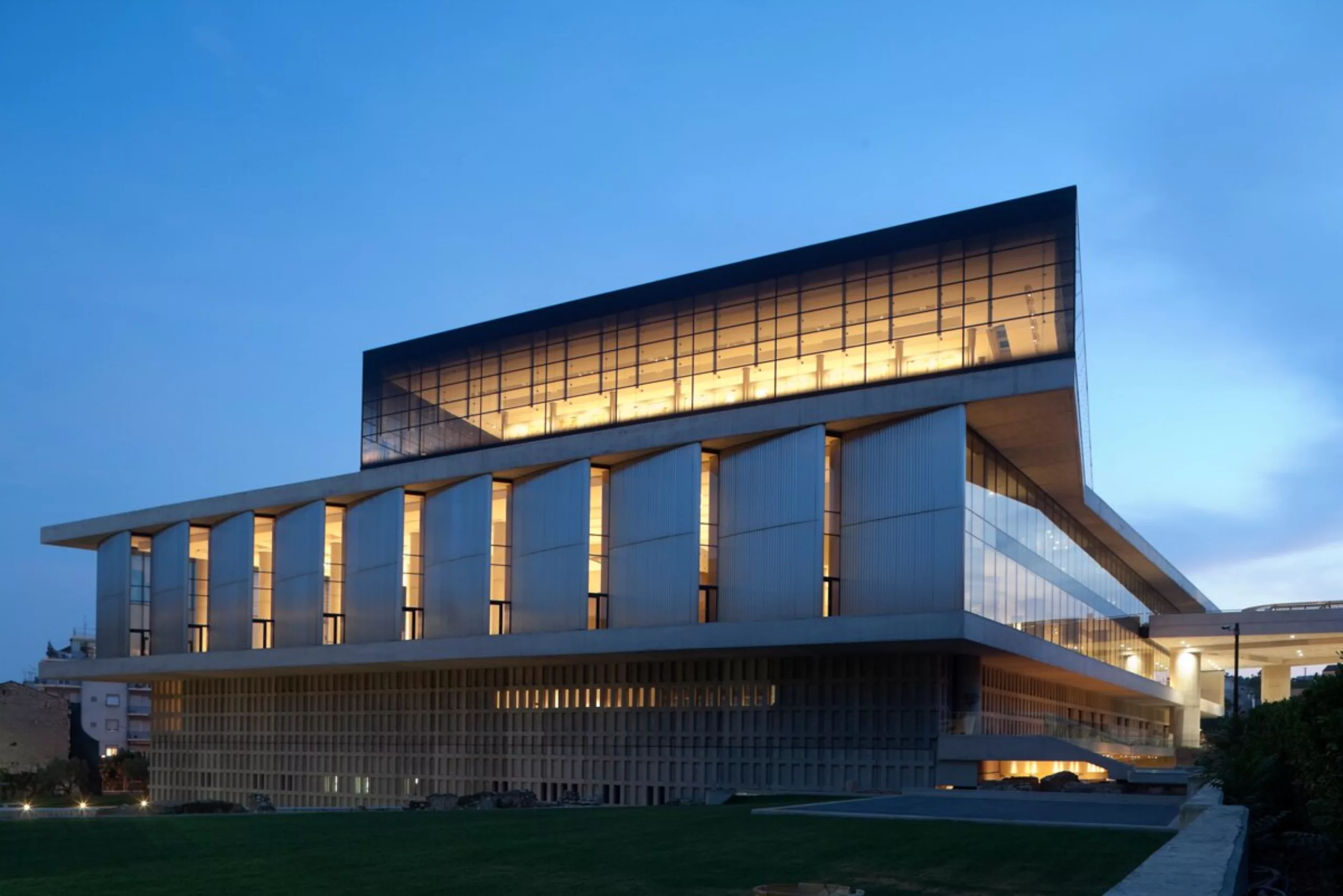
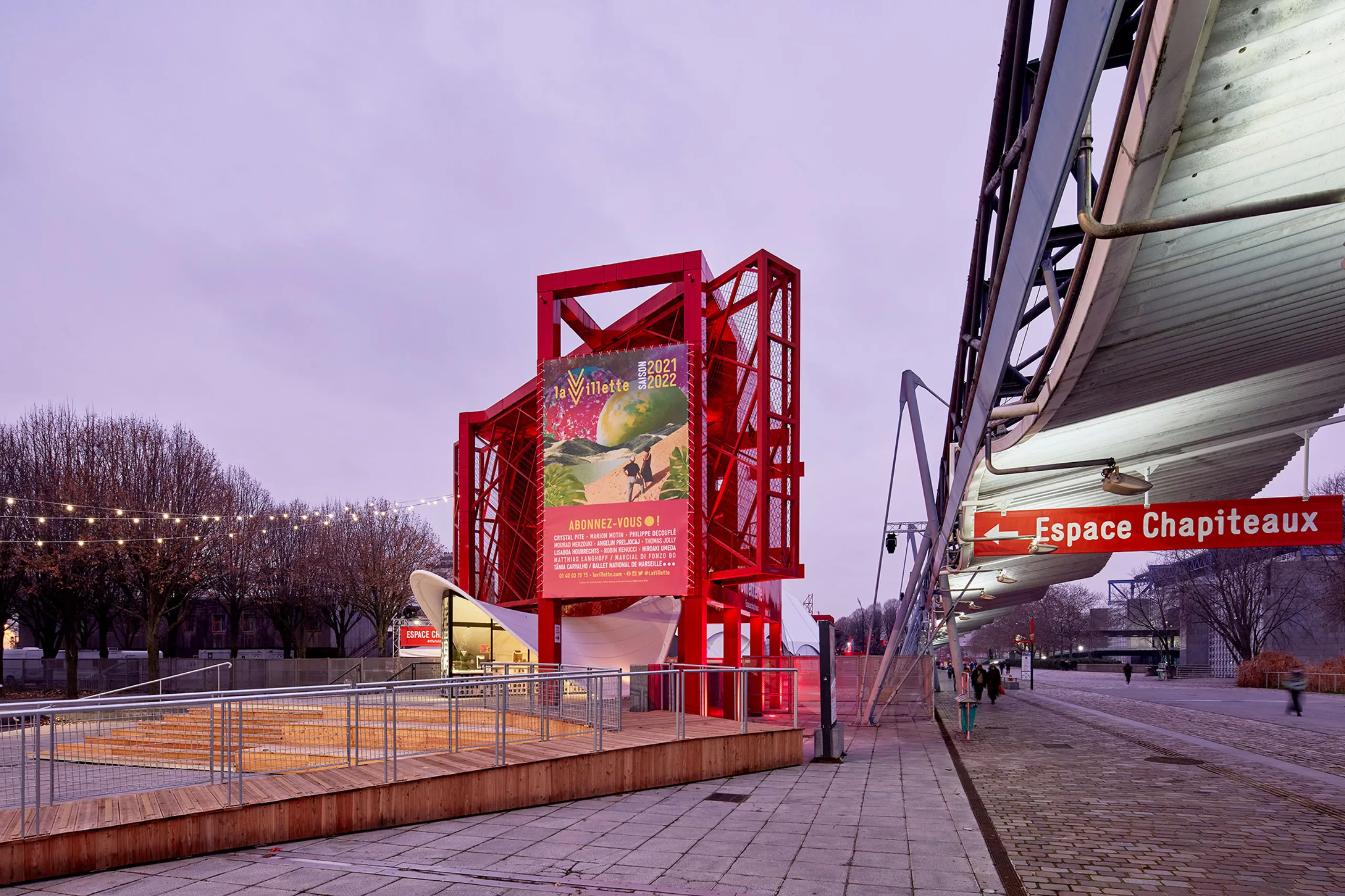
After heading the prestigious School of Architecture at Columbia University in New York for nearly sixteen years, he founded his own practice and developed a body of built work as demanding as his theoretical thinking. His notable works include the Parc de la Villette in Paris – one of the most talked-about architectural projects of his generation – Lerner Hall at Columbia University, the New Acropolis Museum in Athens, and several cultural venues across Europe, such as the Muséoparc Alésia.
Interview with Bernard Tschumi
HOW IMPORTANT IS THE CREATION OF THE ALÉSIA MUSEUM PARK IN YOUR ARCHITECTURAL CAREER?
B.T. In my work, I attach great importance to the relationship between concept and context. The site of the Battle of Alesia has retained many of the features that make it unique: the surrounding plain and the oppidum. This emphasis on the specific context is evident in much of my work. One could draw a parallel between the MuséoParc and my project, completed around the same time, for the Acropolis Museum in Athens, where the relationship with the Parthenon and the archaeological ruins is inseparable from the chosen concept, which stems from both the cultural and landscape contexts.
COULD YOU REMIND US OF THE SYMBOLISM YOU WISHED TO CONVEY THROUGH THIS CONCEPTUAL FORM AT THE CENTRE OF THE BATTLEFIELD?
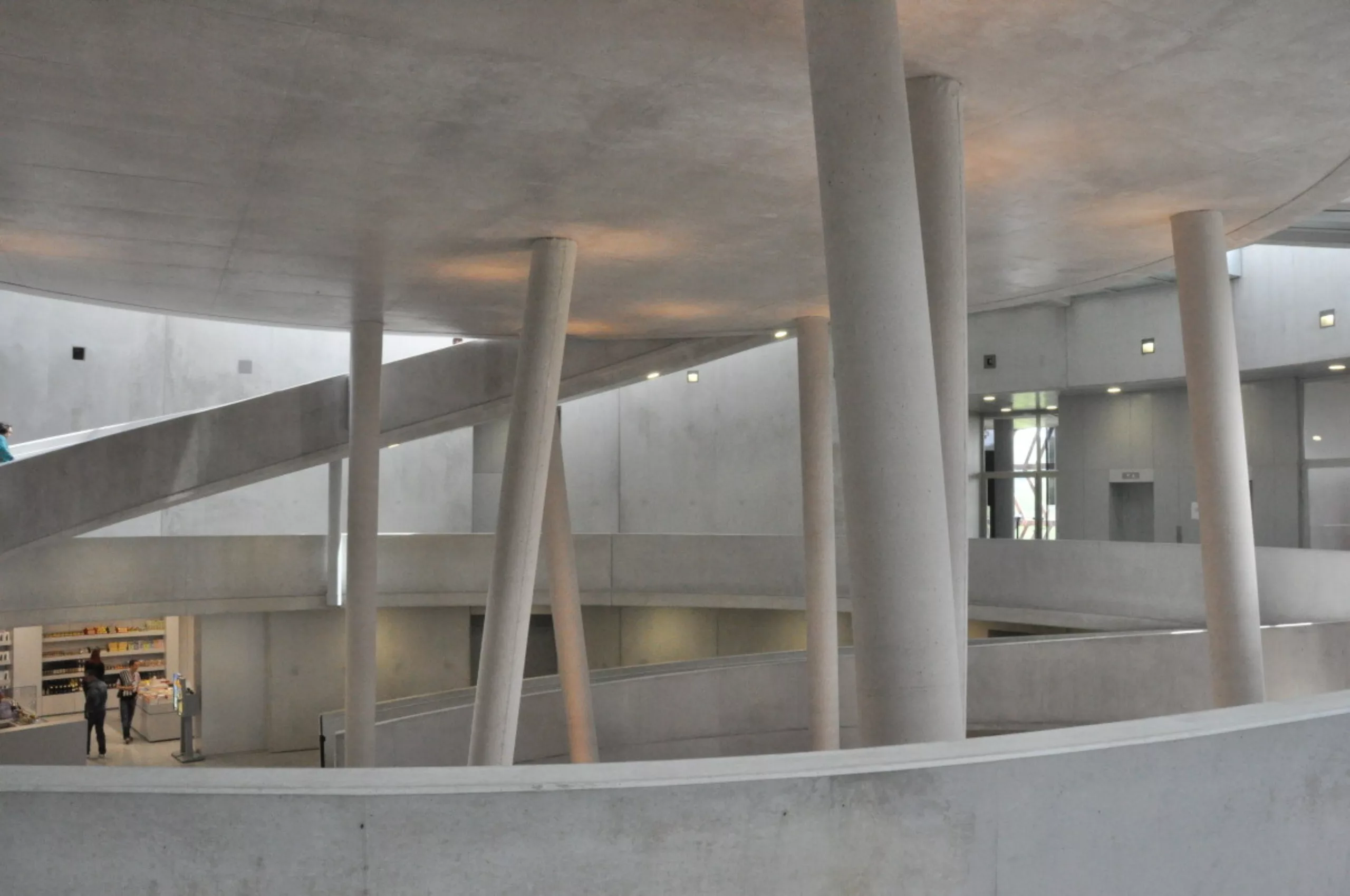
B.T. Beyond the relationship between concept and context, there is the architectural choice of the circular envelope. The entire history of the site is linked to encirclements, counter-encirclements and sieges, due to the offensive strategy of the besiegers and the defensive strategy of the besieged. Furthermore, a visit to the building is an architectural walk in the form of a loop, where the entrance and exit meet again after passing through a variety of cultural experiences. The MuséoParc is also a circular envelope that filters light into the museum space.
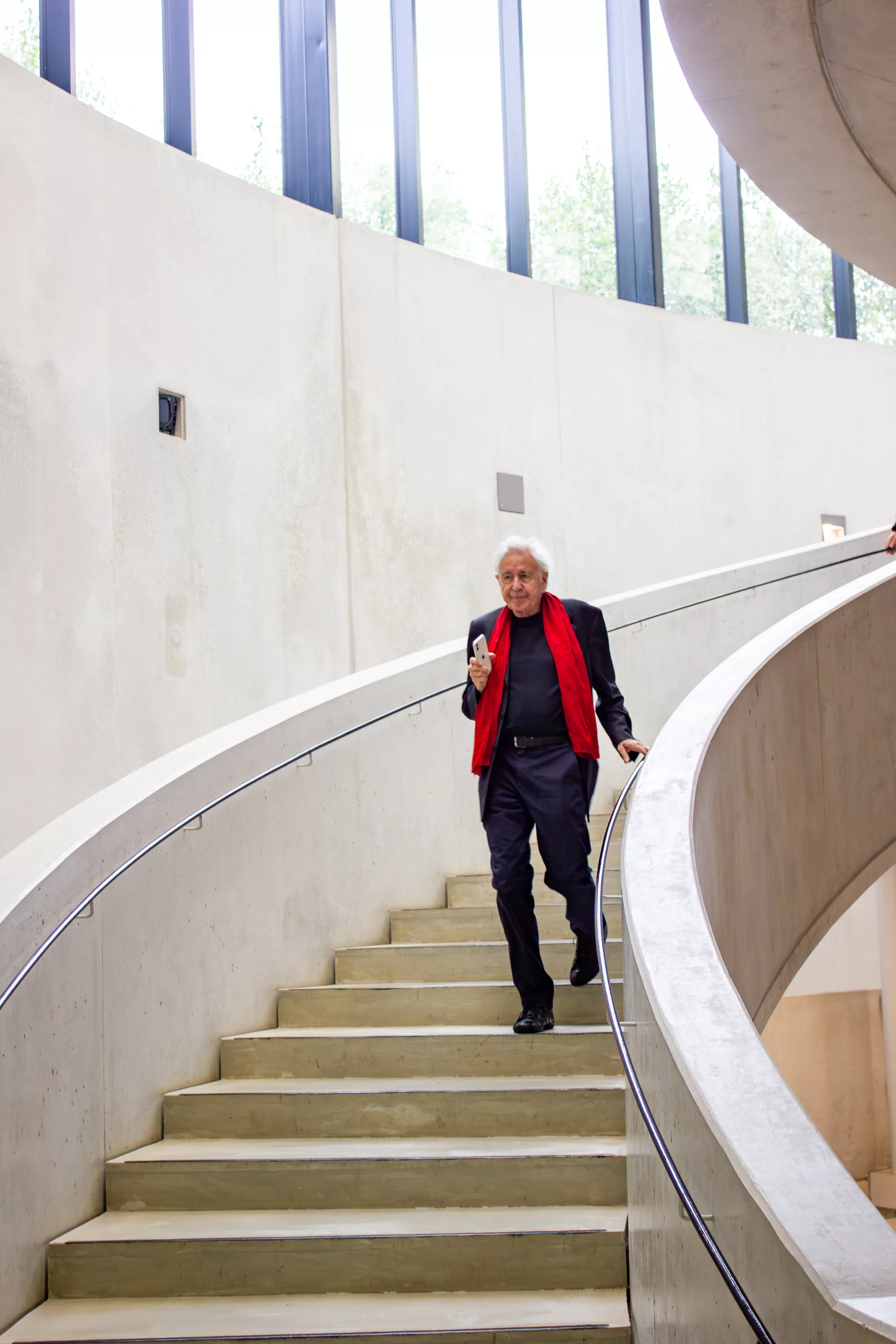
The Academy of Fine Arts has awarded the 2024 Academy of Fine Arts Grand Prize for Architecture (Charles Abella Prize) to Bernard Tschumi. This prestigious award recognises the exemplary nature of his career in the field of architecture.