César exhibition: All roads lead to Rome
season II
What became of Julius Caesar after his victory at Alesia? With his legions, he continued his policy of conquest in Egypt, Africa and Spain in order to secure absolute power. He defeated his rivals, forged diplomatic alliances and returned triumphant to Rome. Close to the people but betrayed by those closest to him, he met a tragic end. A statesman and military leader, both admired and detested, often mistakenly regarded as an emperor, he has always fascinated the powerful: Charles V, Sultan Suleiman II, Henry IV, Louis XIV, Napoleon I, Christina of Sweden, Napoleon III… and is today one of the most famous figures of antiquity.
An exhibition never before seen in France
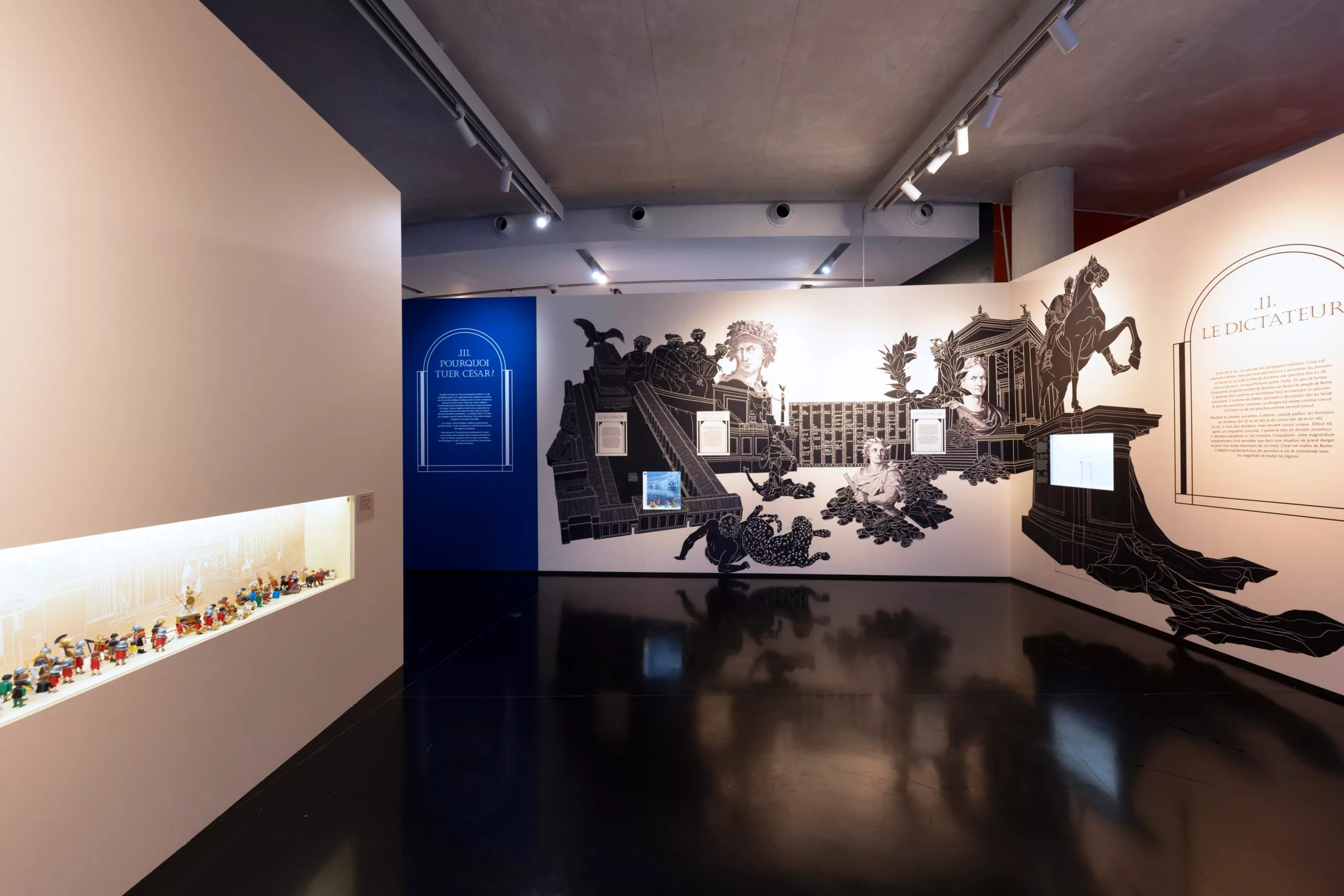
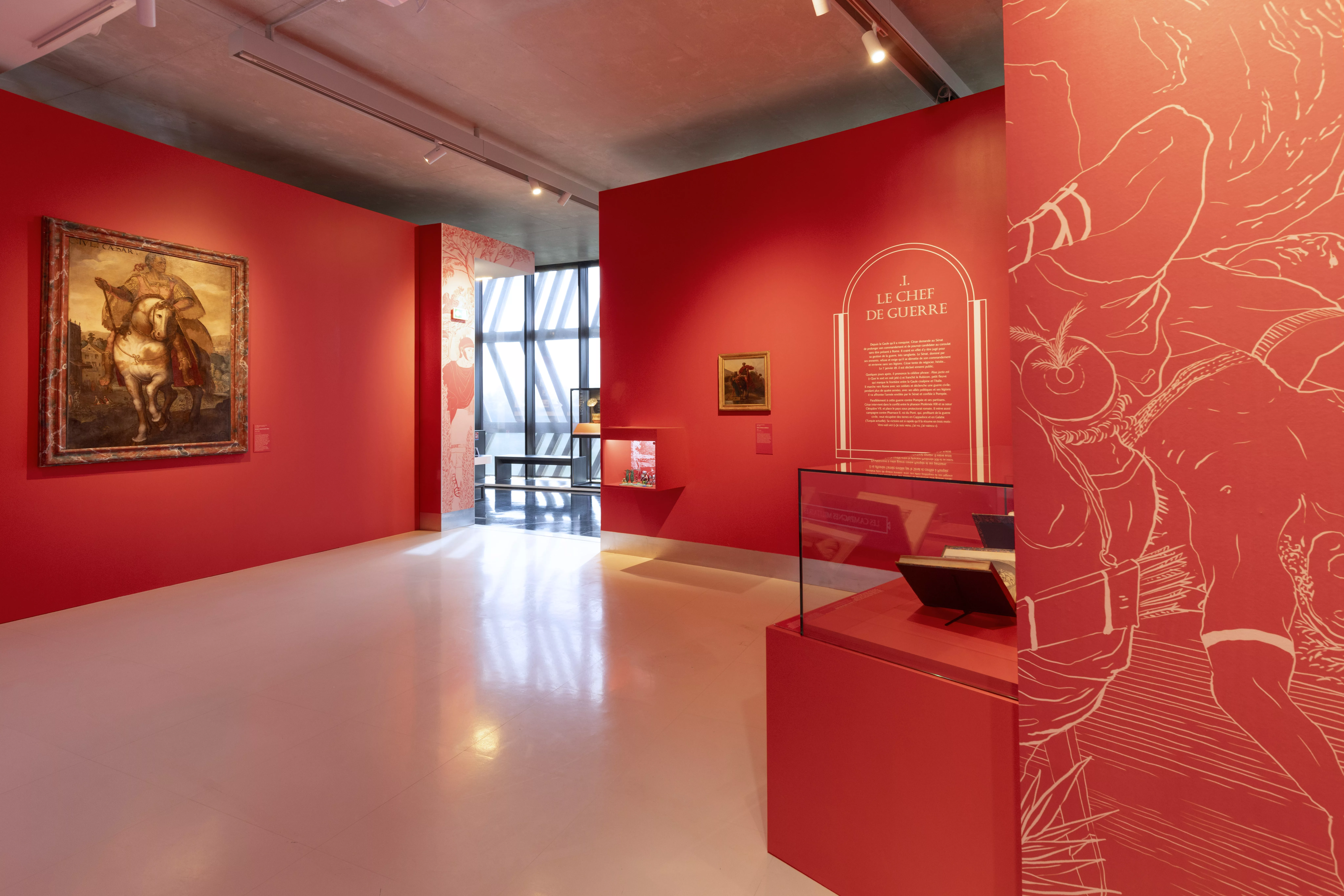
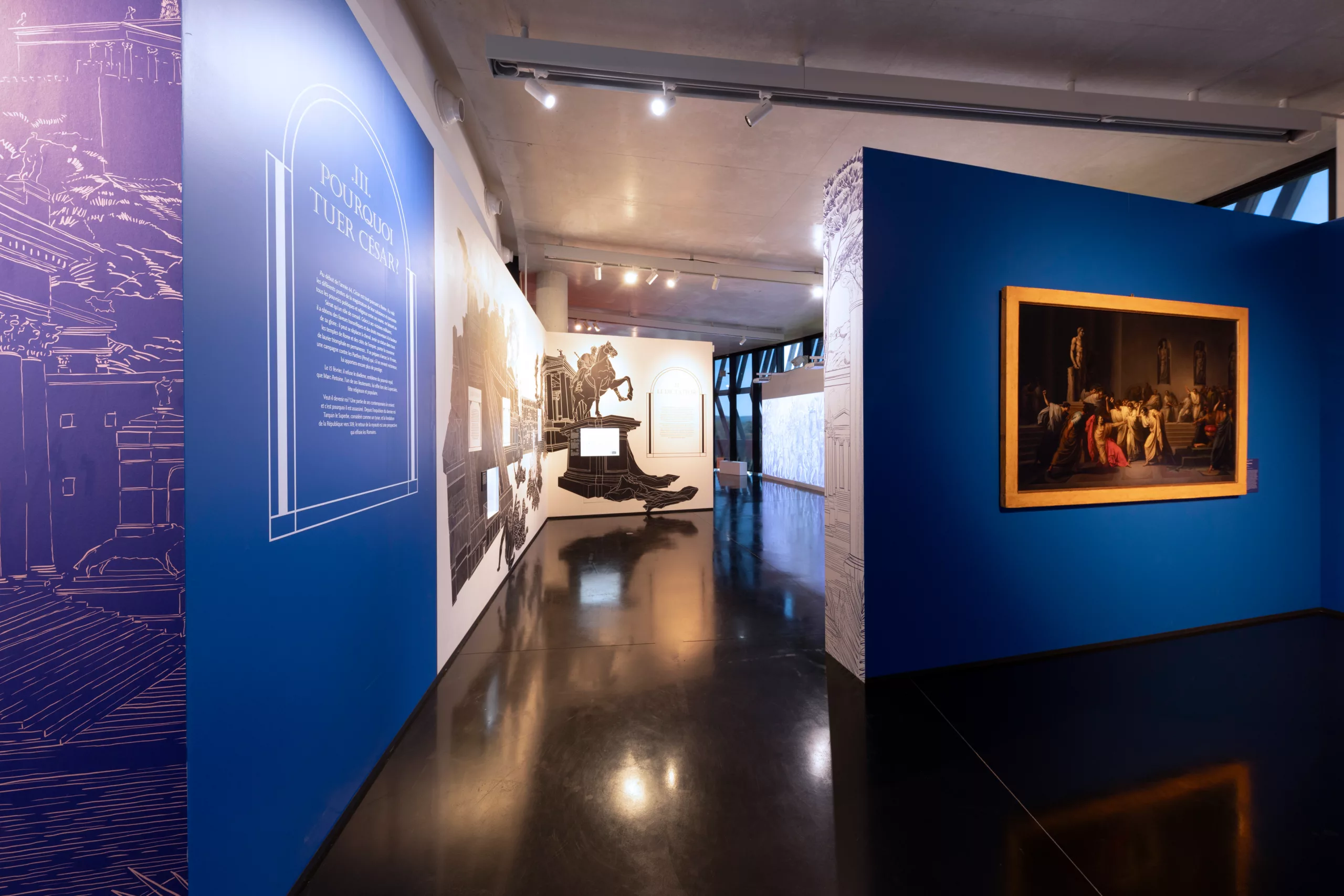
Julius Caesar, who has rarely been the subject of major exhibitions in France, is the focus here of an exhibition that is exceptional in both its ambition and its approach. “Caesar: All Roads Lead to Rome” stands out for its original interpretation of the figure of Caesar, focusing on the construction of his image and his legacy, from antiquity to the modern era.
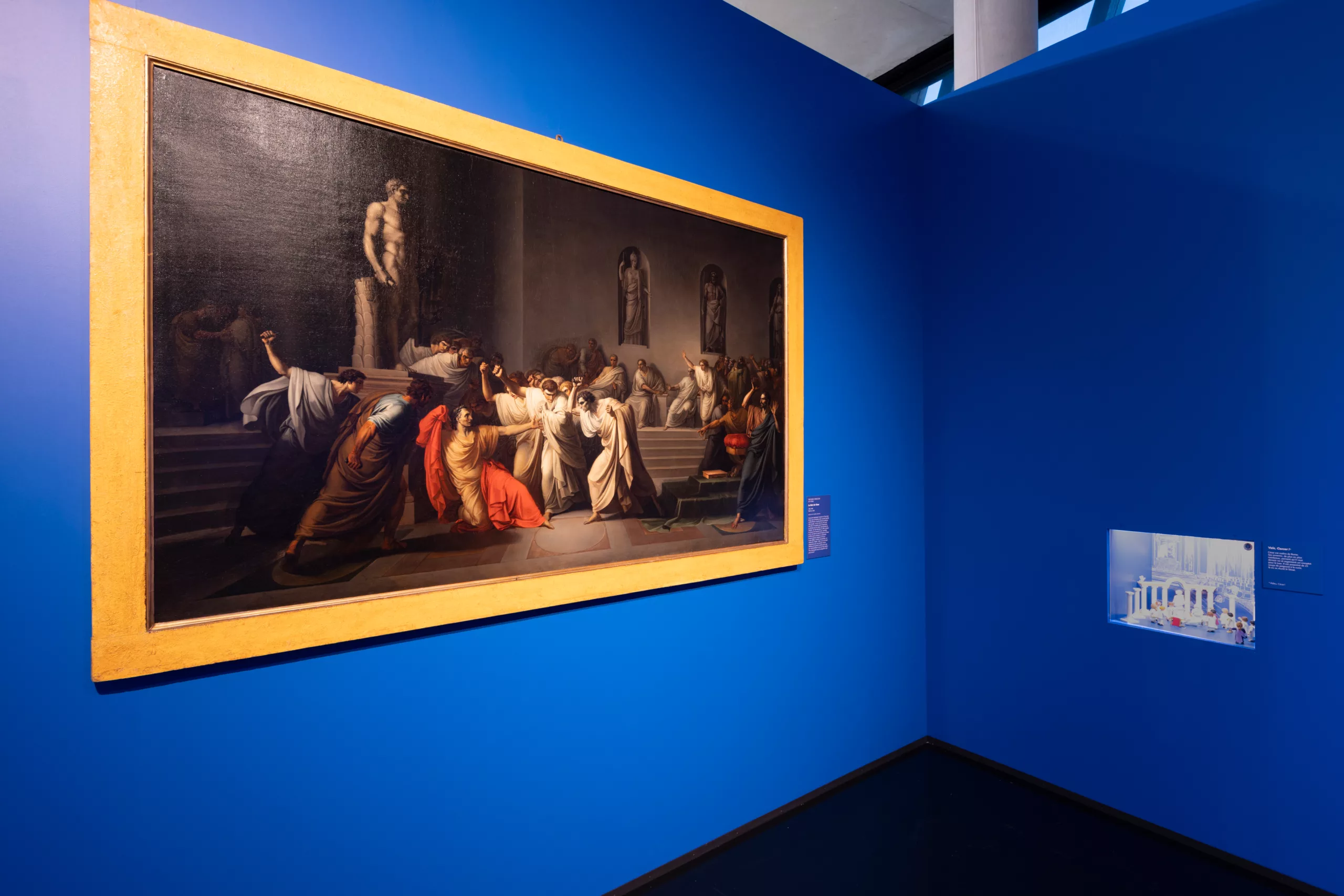
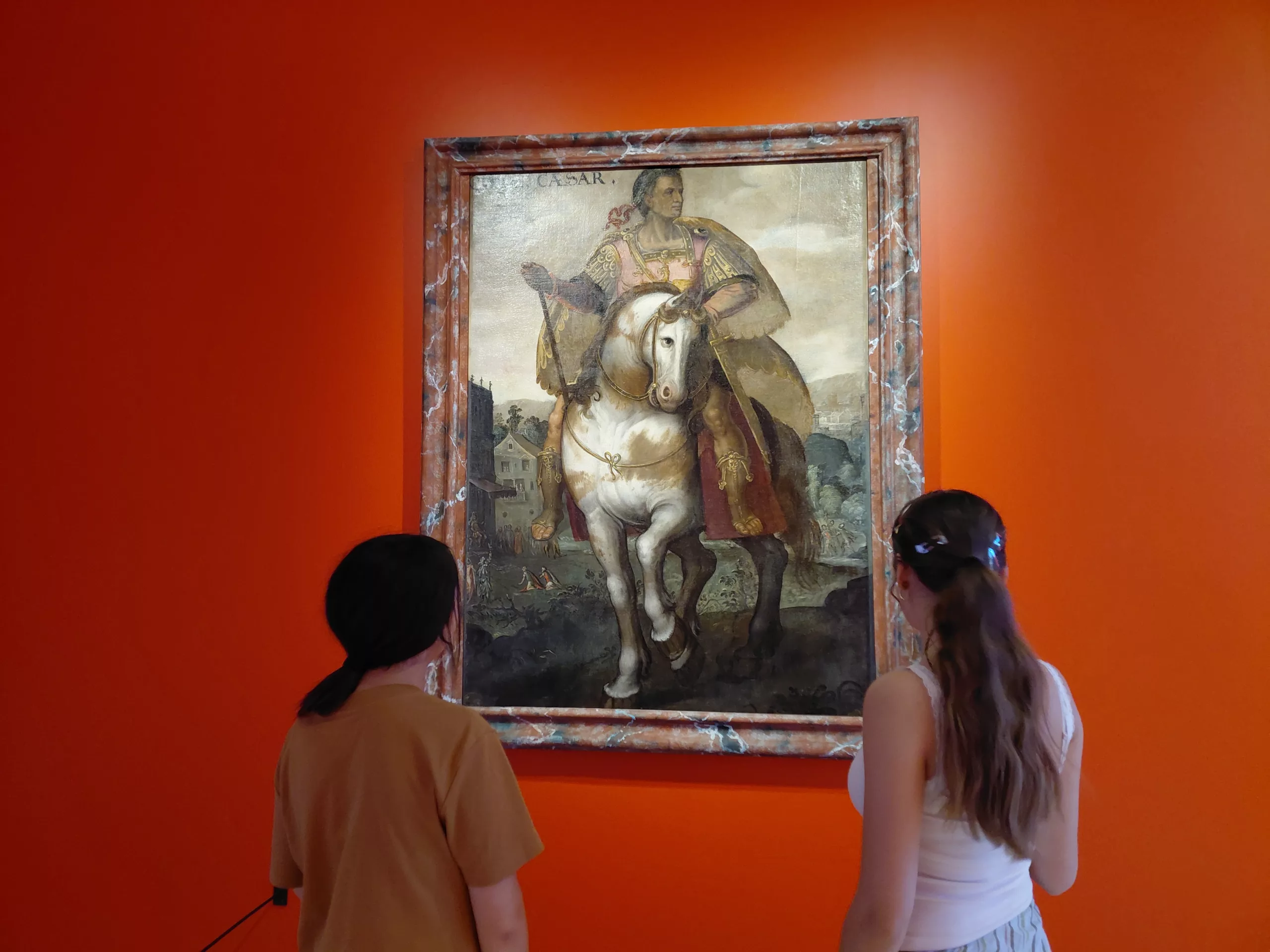
The exhibition draws on a rich collection of artefacts, including coins, paintings and engravings from the 17th to the 19th centuries, on loan from prestigious French and international institutions. These works illustrate how the figure of Caesar was forged, disseminated and perpetuated over the centuries.
Notable lenders include the Museum of Modern Art in Bologna, the National Museum at the Château de Compiègne, the Nantes Museum of Art, the Dijon Archaeological Museum, the Ducastel-Vera Municipal Museum in Saint-Germain-en-Laye, the Château de Cormatin, the Picardy Museum in Amiens, the Semur-en-Auxois Library and Media Centre, the Arras Museum of Fine Arts, the Georges de La Tour Departmental Museum in Vic-sur-Seille, the Denon Museum in Chalon-sur-Saône, the Museum of Fine Arts – Hôtel Fayet in Béziers, and the Clamecy Museum of Art and History.
The 2026 edition of the exhibition is further enriched by the exceptional loan of a previously unseen work from the Royal Museums of Fine Arts in Brussels, further enhancing the unique and international character of this exhibition.
An exhibition for all ages
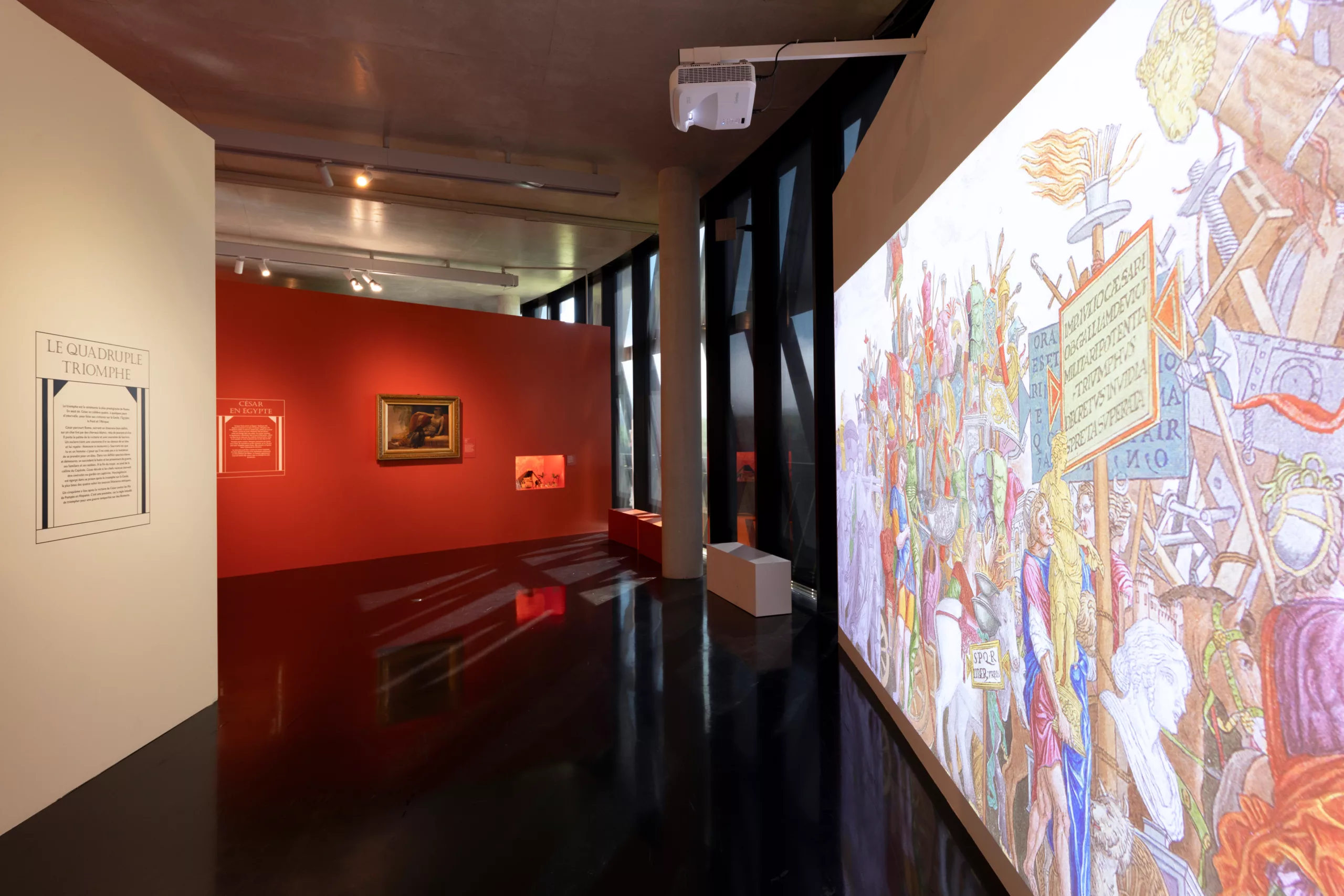
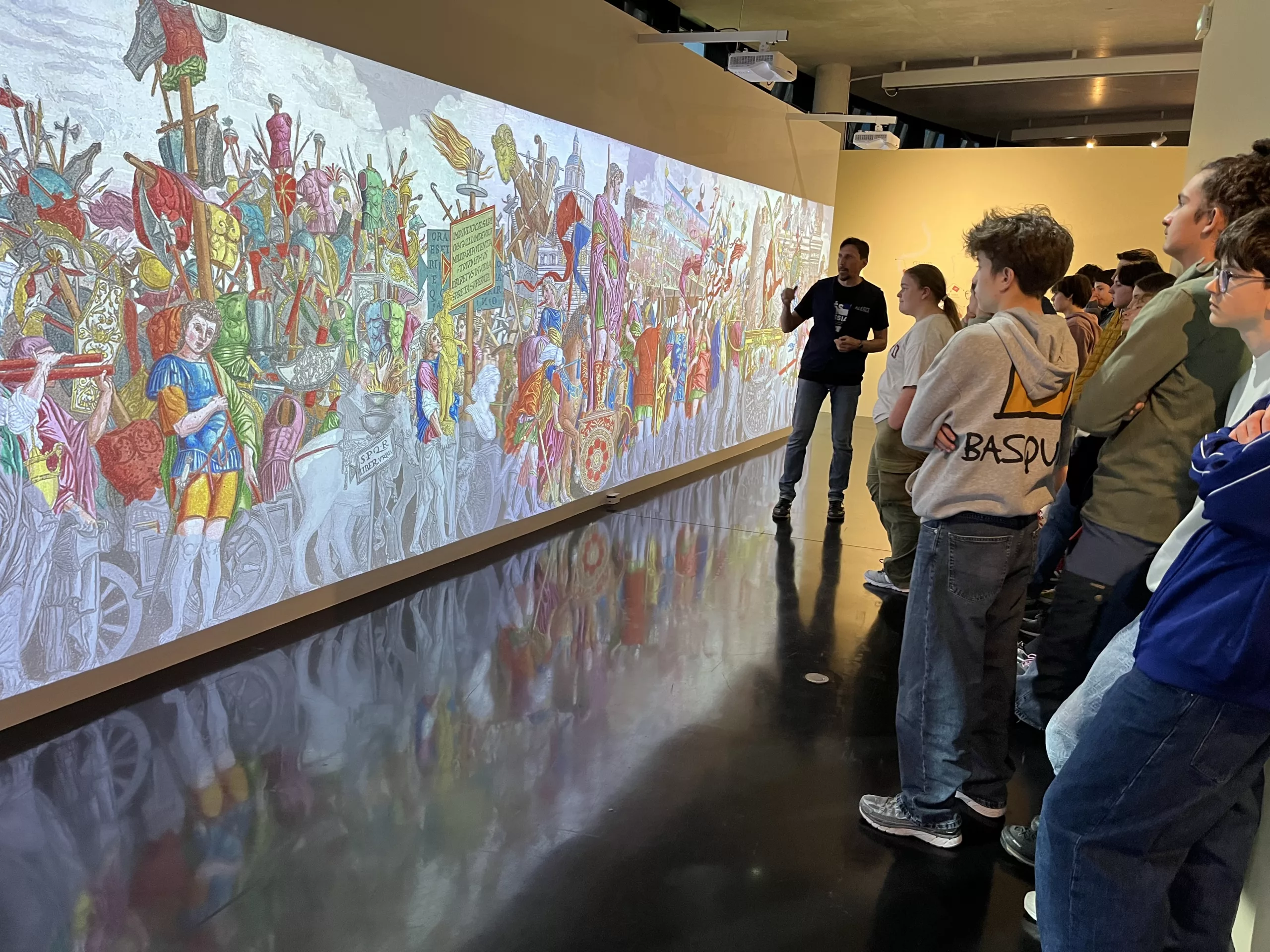
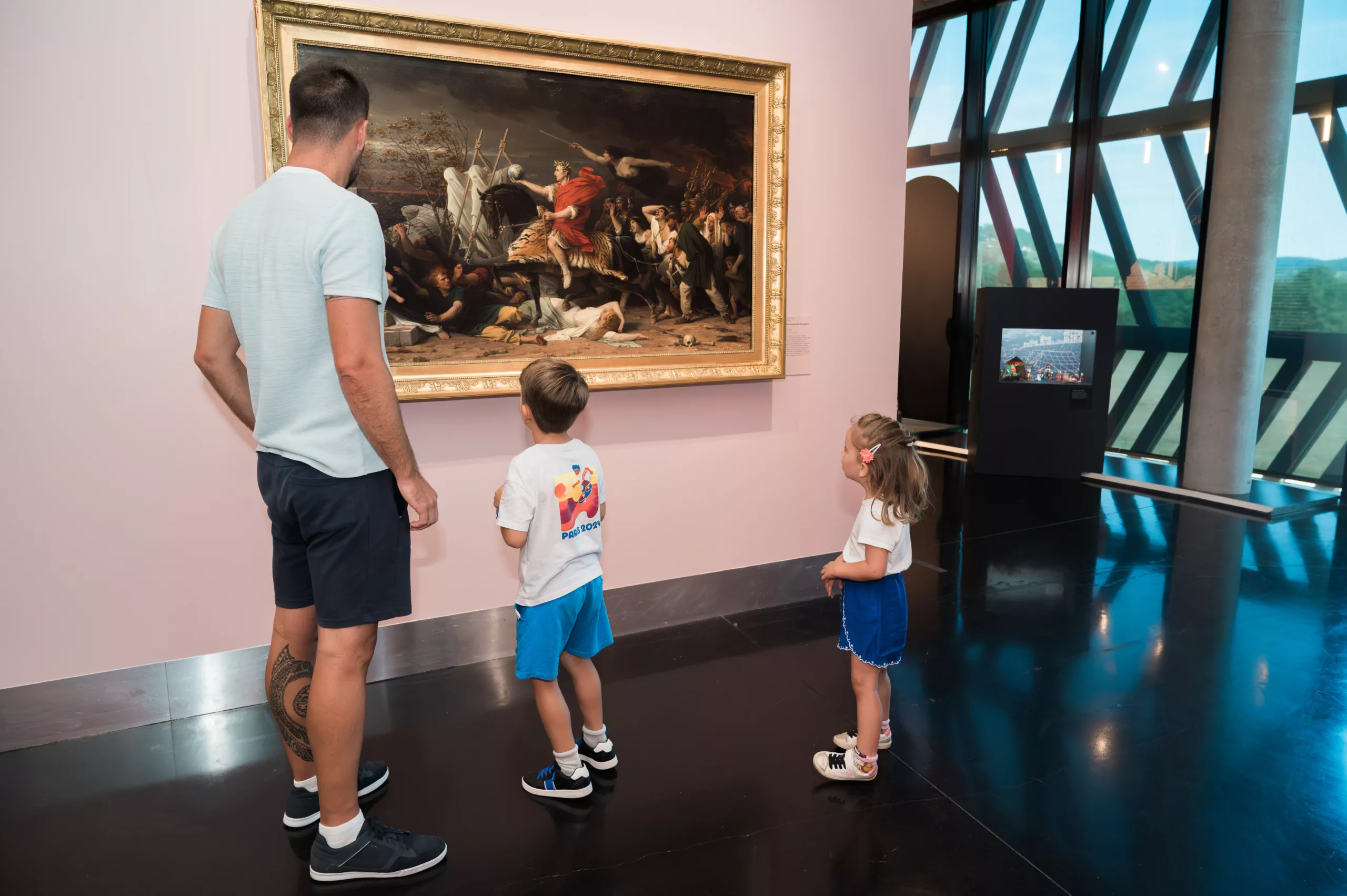
The exhibition “Caesar: All Roads Lead to Rome” offers an immersive and educational experience, designed to appeal to a wide audience. Through its innovative approach, it captures the attention of both young visitors and history enthusiasts alike, combining storytelling, historical artefacts and immersive technologies to offer a dynamic exploration of the key stages in the life of Julius Caesar.
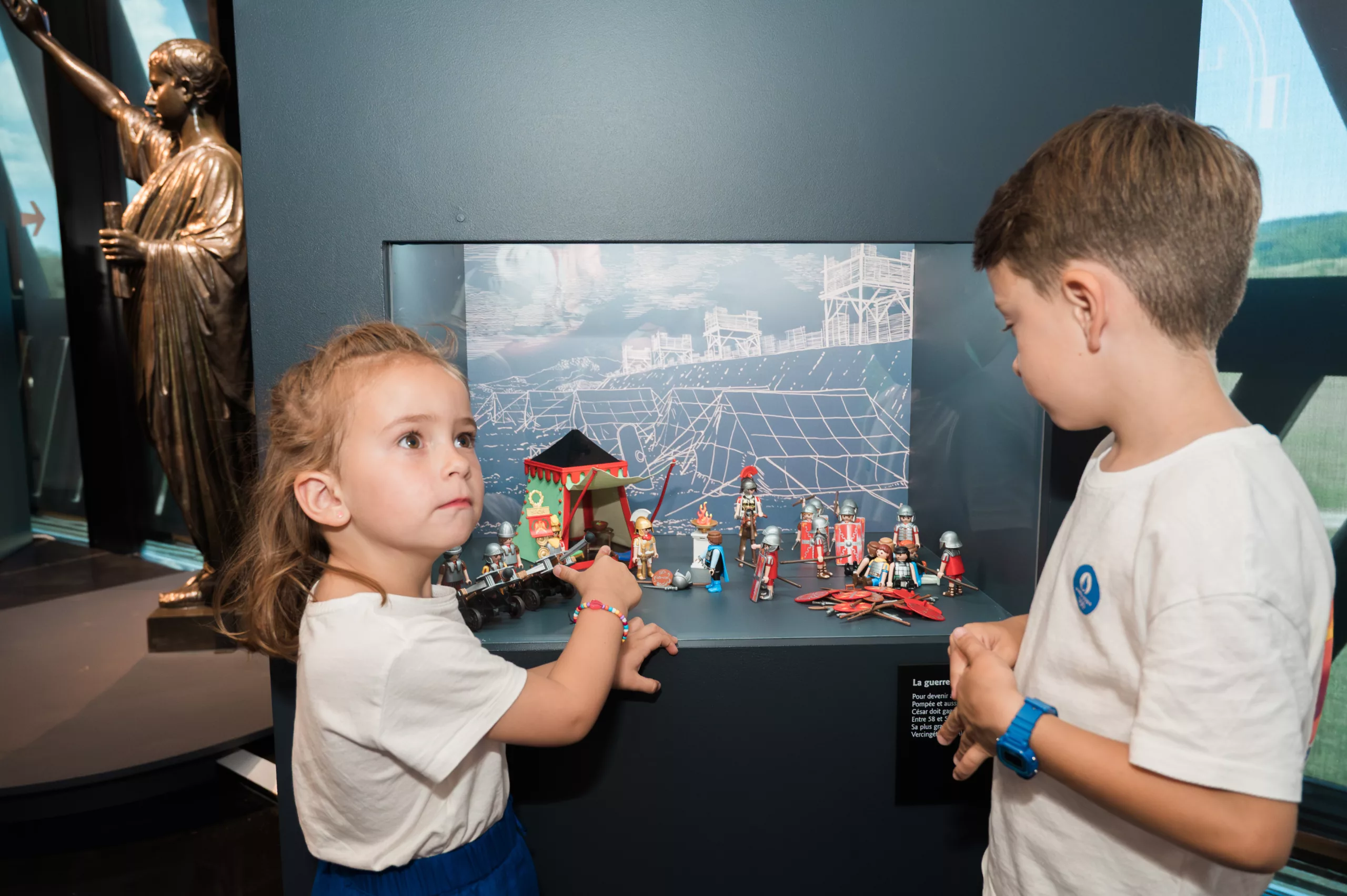
Caesar as a Playmobil® figure
For younger visitors – though not exclusively (!) – “Playmobil® scenes” integrated into the displays throughout the exhibition offer fun and educational breaks. These recreated scenes enrich the narrative by making it accessible to children in a simple and visual way.
An exhibition of figurines from private collections. Courtesy of PLAYMOBIL® France. This exhibition is neither sponsored nor organised by PLAYMOBIL®.
The Forum
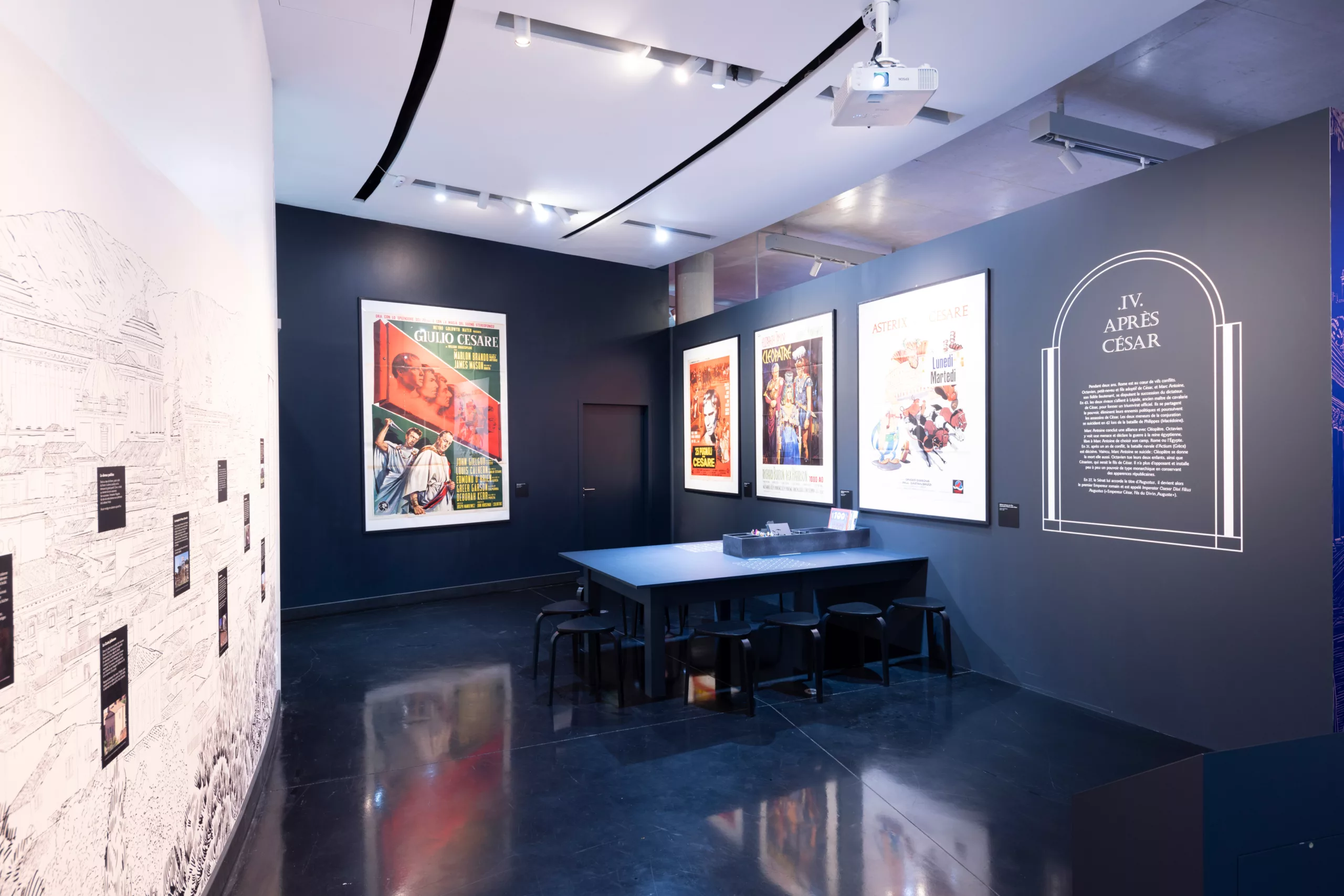
This concluding section of the exhibition extends the visitor experience through an interactive and entertaining display, including games for children. A touchscreen table provides access to the exhibition’s photo library and activities designed for children, whilst an illustrated panoramic view of ancient Rome offers a spectacular and educational insight into the ruins still visible today.
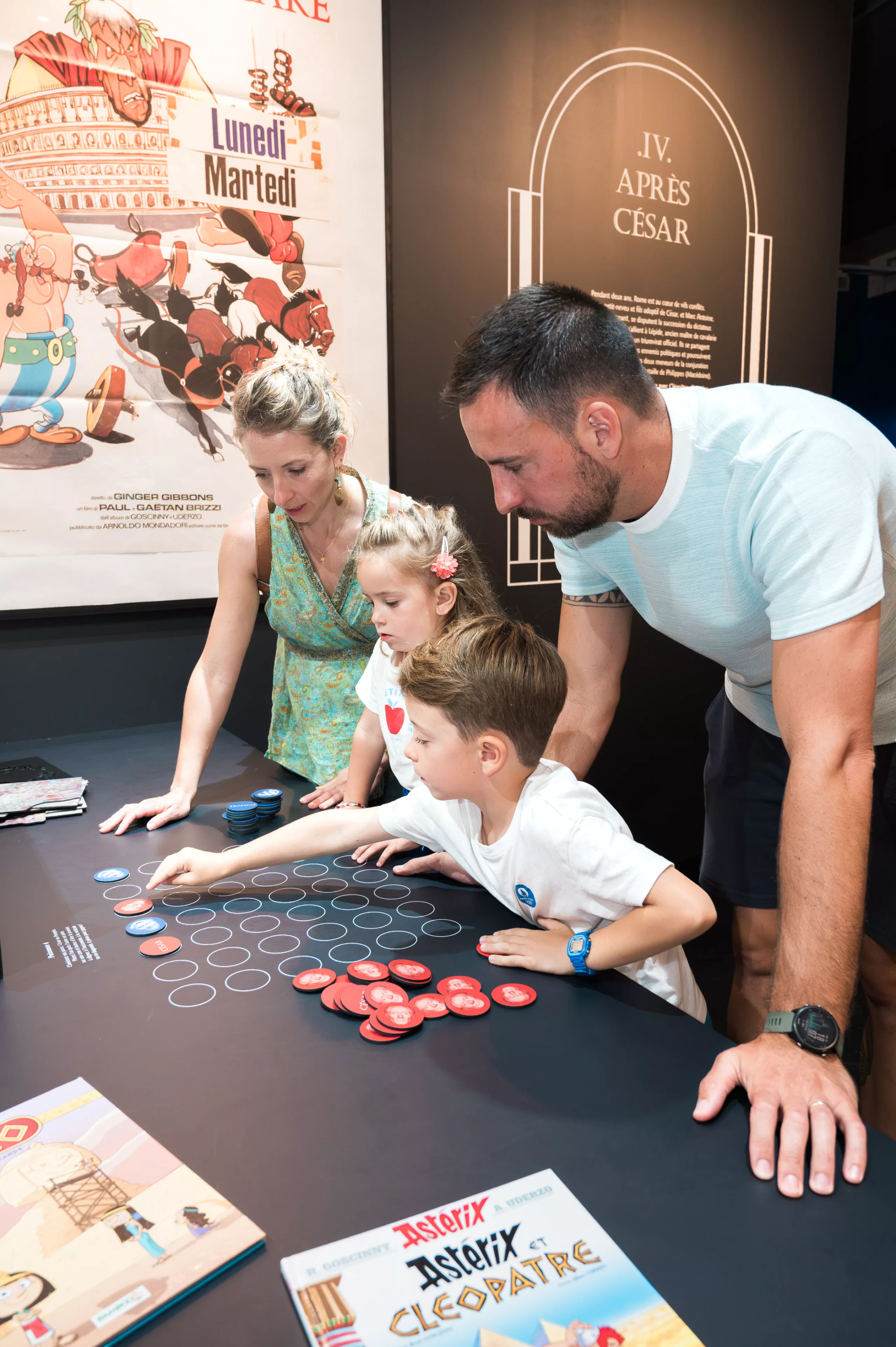
A fun-filled adventure for young visitors
For the exhibition “César: All Roads Lead to Rome”, the MuséoParc Alésia is offering two brand-new activity booklets designed by Laurette Architecte, aimed at children aged 3–6 and 7–12. The younger children will set off in search of César’s lost cuddly toy whilst discovering the animals he encounters in his daily life, whilst the older children will follow the elephant – their historical guide – to explore the life of the famous Roman general. These interactive resources, combining games, discoveries and take-home activities, invite young visitors to immerse themselves in history in a fun and educational way. An enriching initiative to introduce children to the ancient world from a very young age.