Archaeology
remains of the siege of Alesia
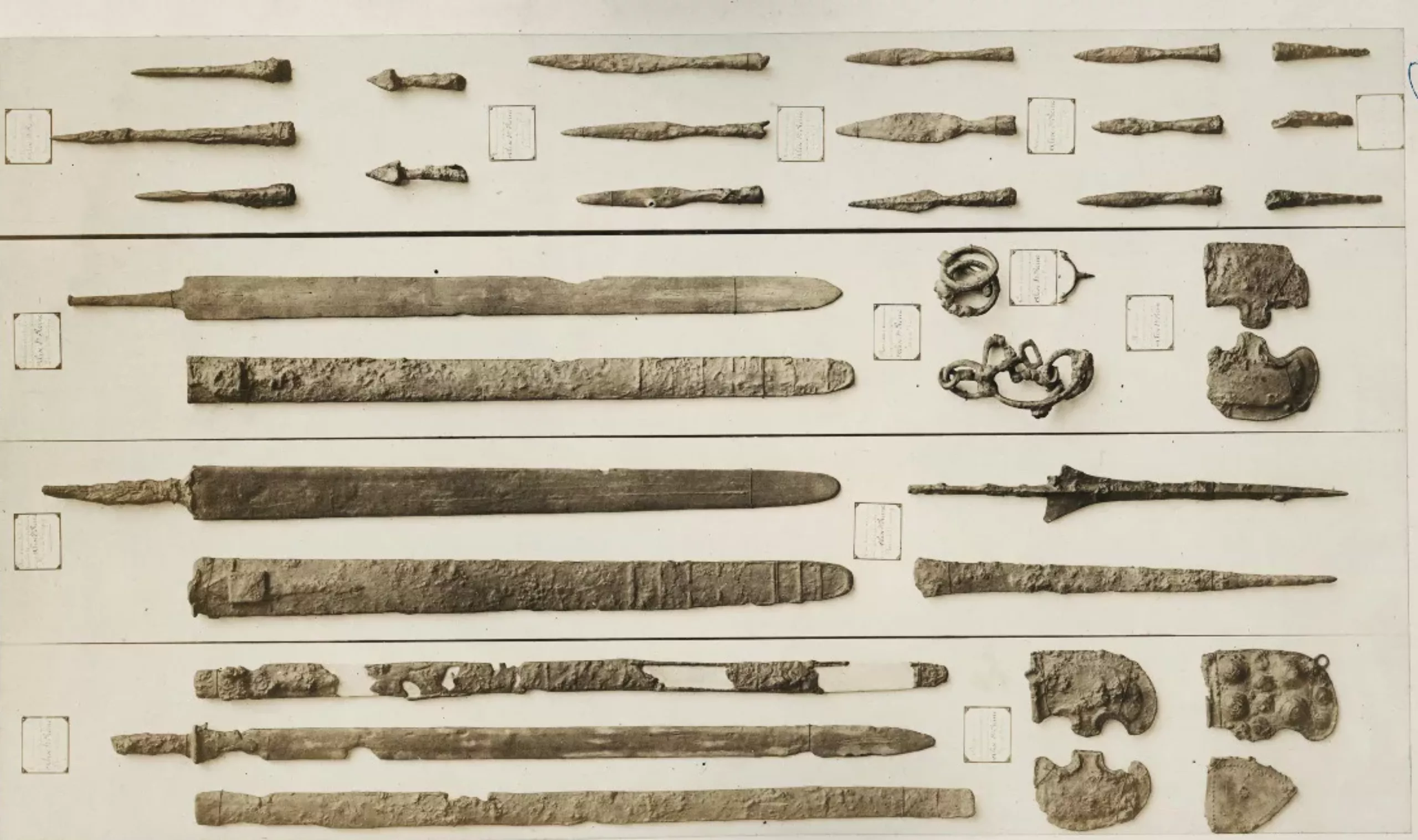
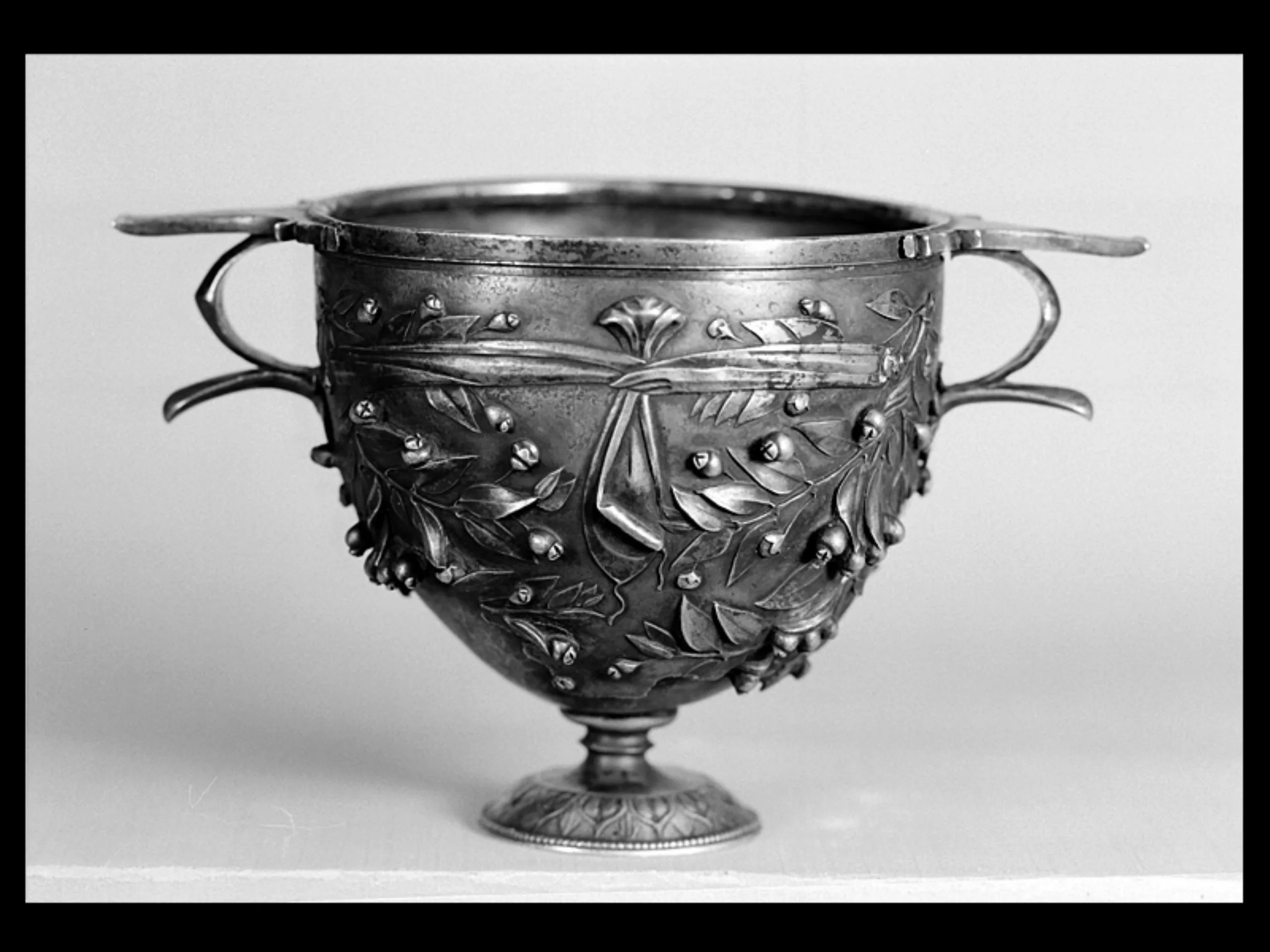
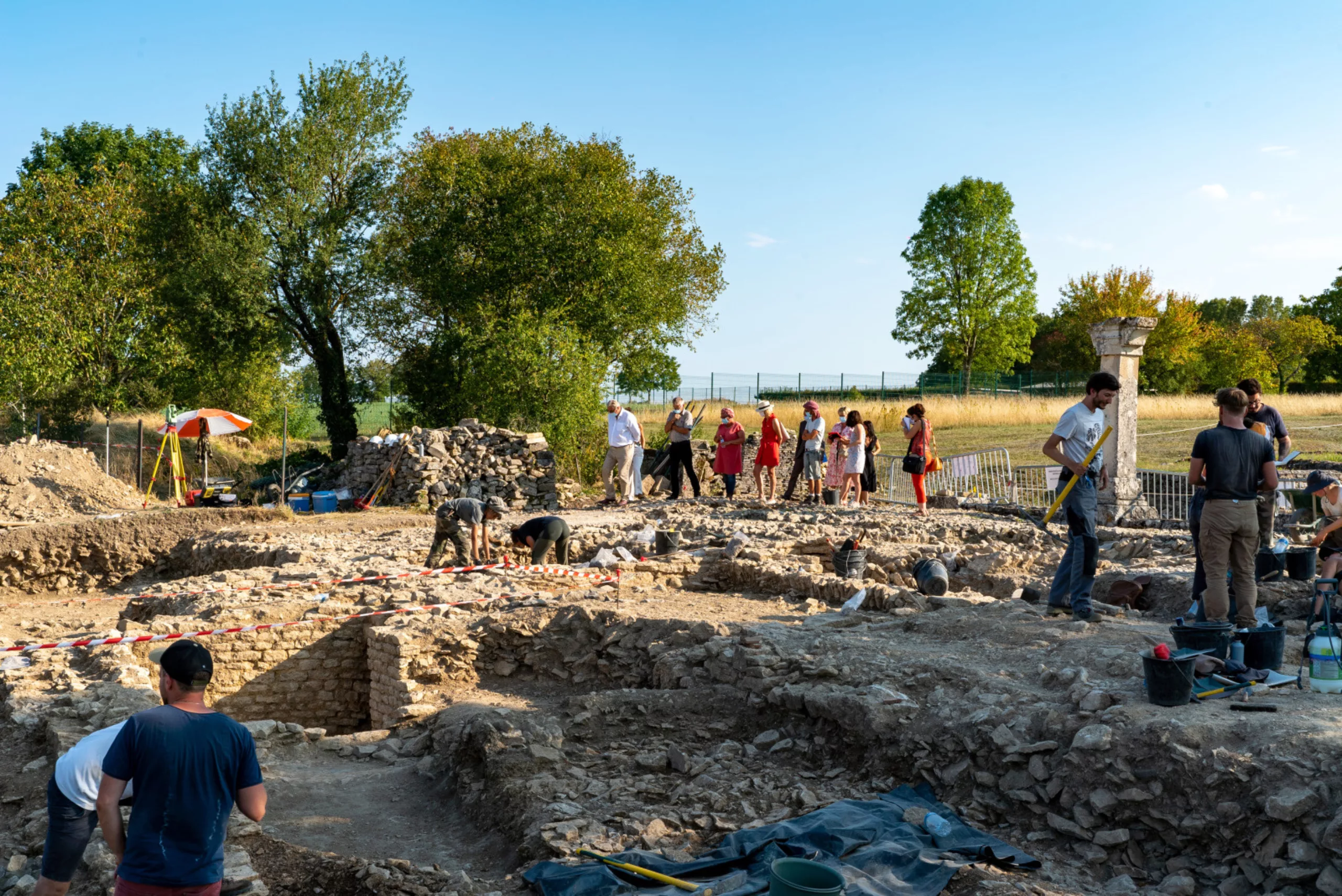
The first excavations of the remains of the siege of Alesia were undertaken at the instigation of Napoleon III. Over a five-year period, from 1861 to the end of 1865, these excavations revealed the layout of the double Roman fortifications and the main camps, as well as numerous significant artefacts from this period: weapons, Gallic and Roman coins, and military objects. Most of the artefacts found are currently on display at the MAN, the National Archaeological Museum in Saint-Germain-en-Laye.
rediscovery of the ancient city
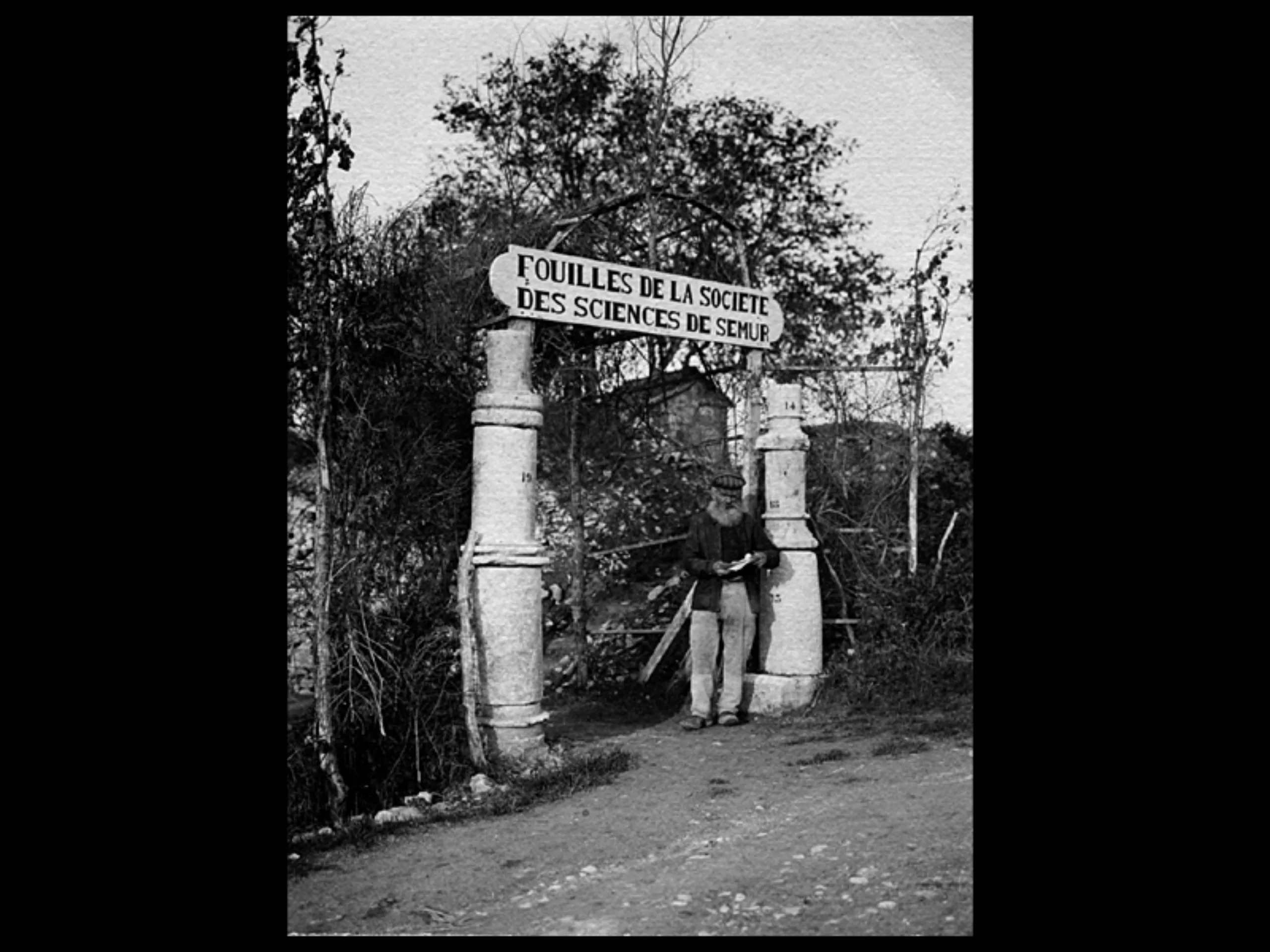
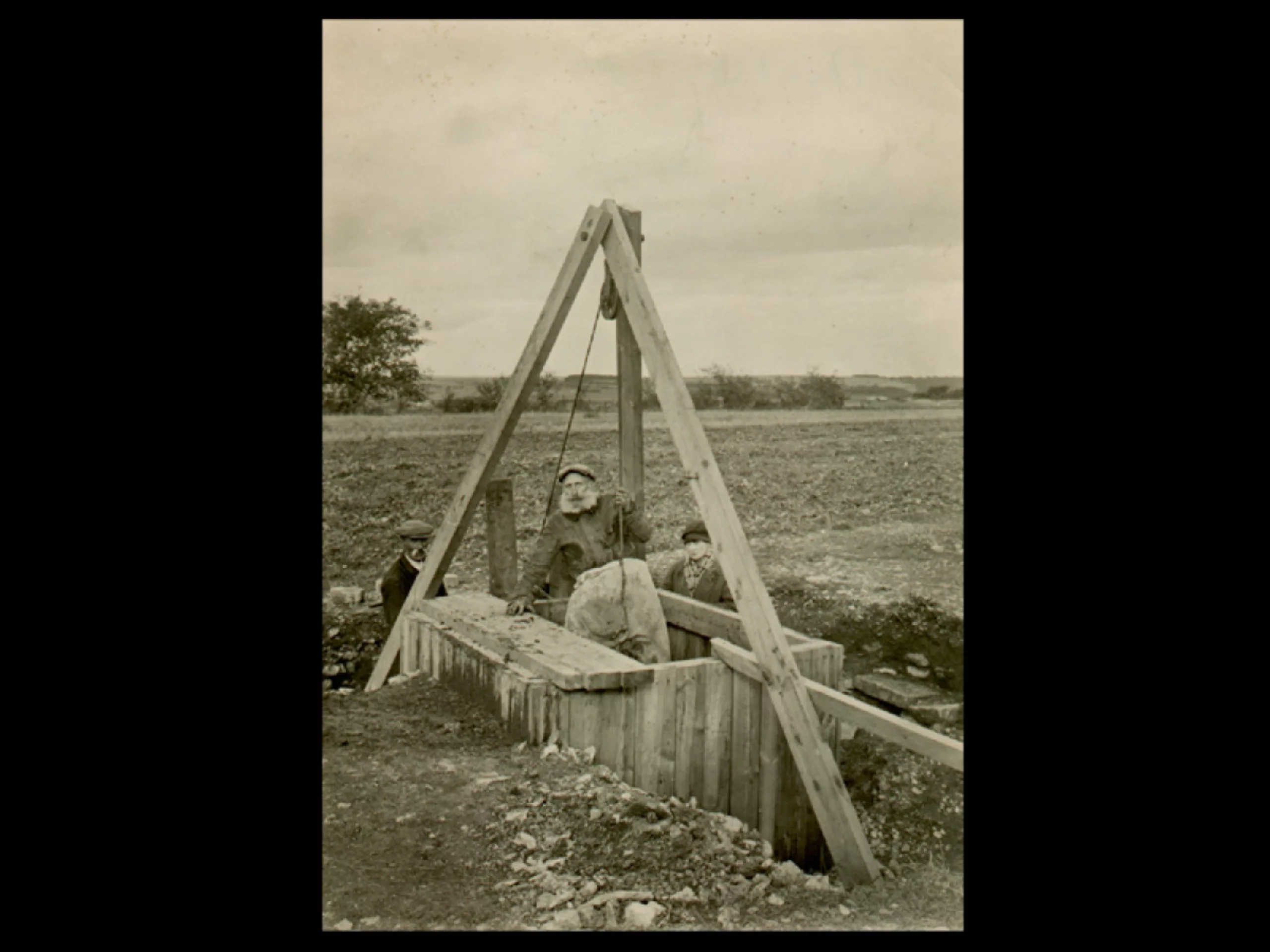
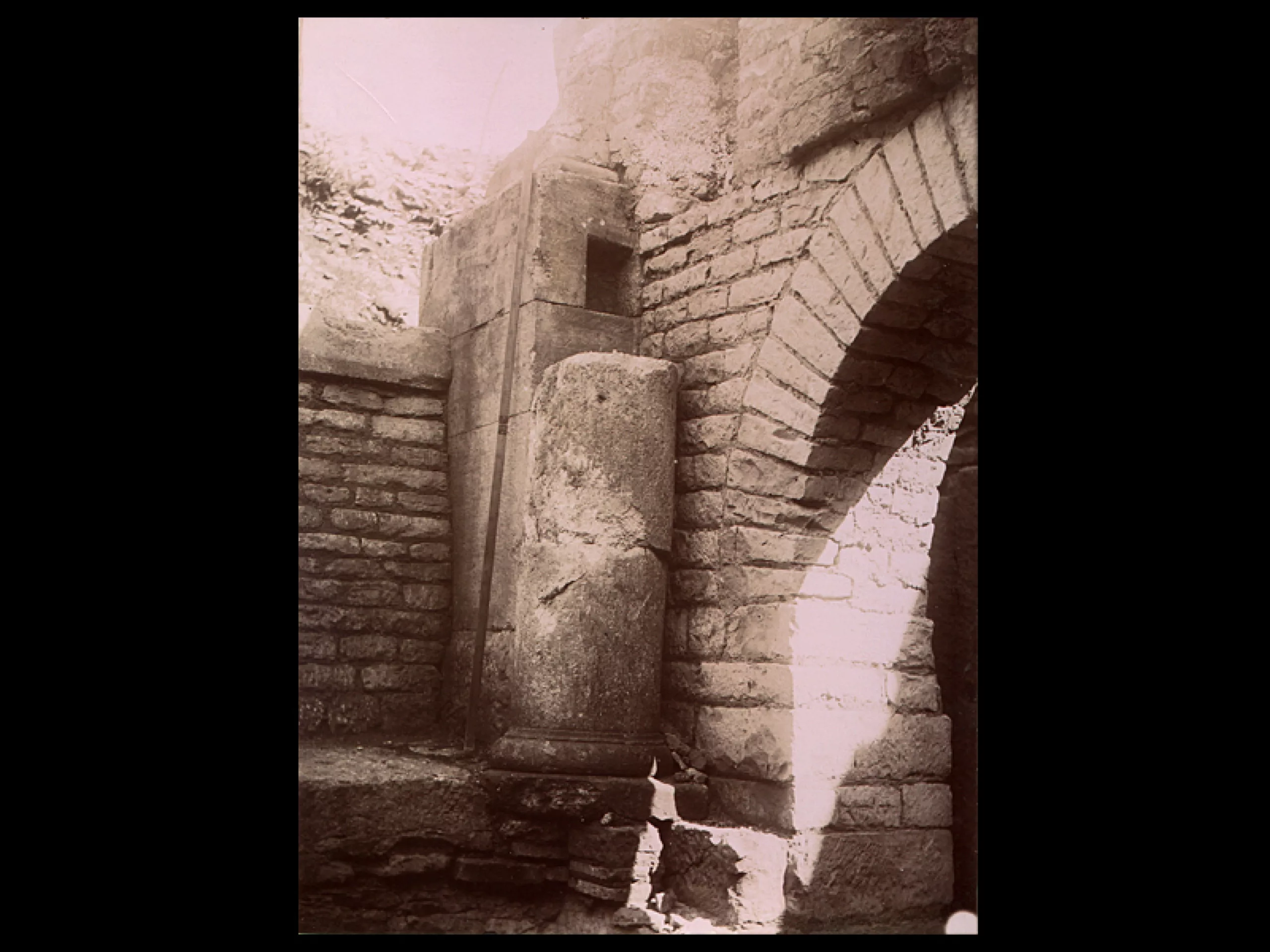
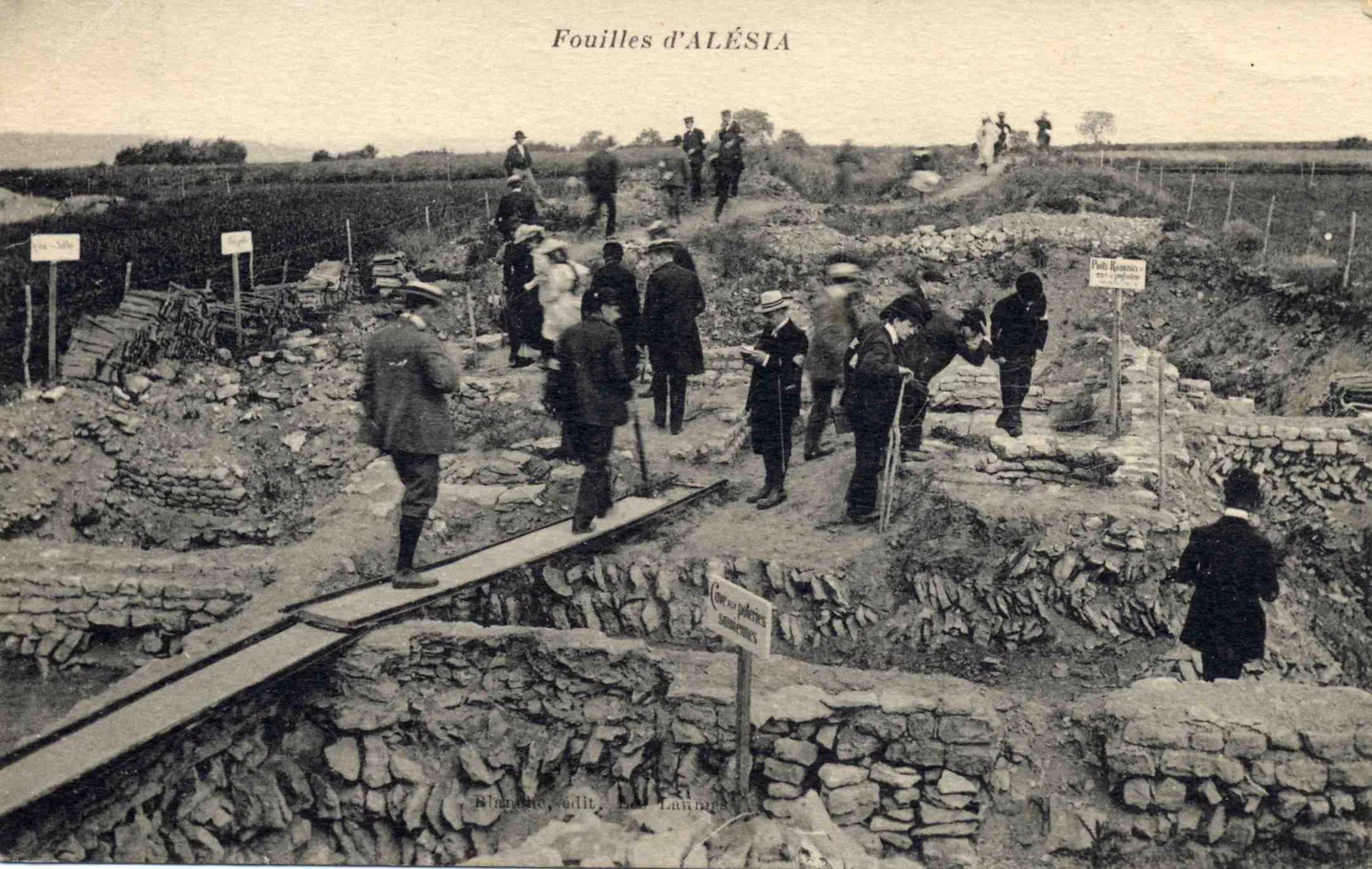
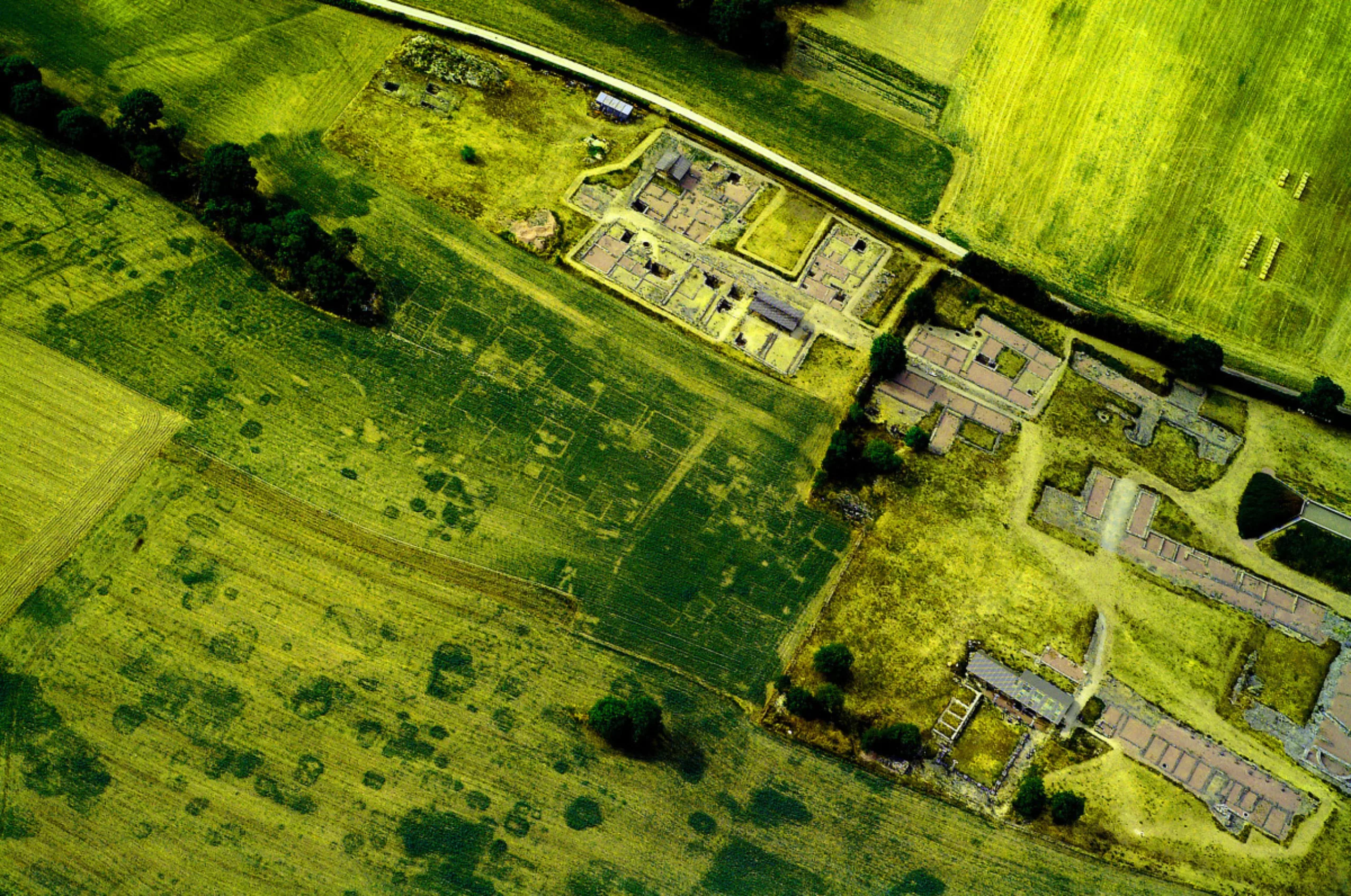
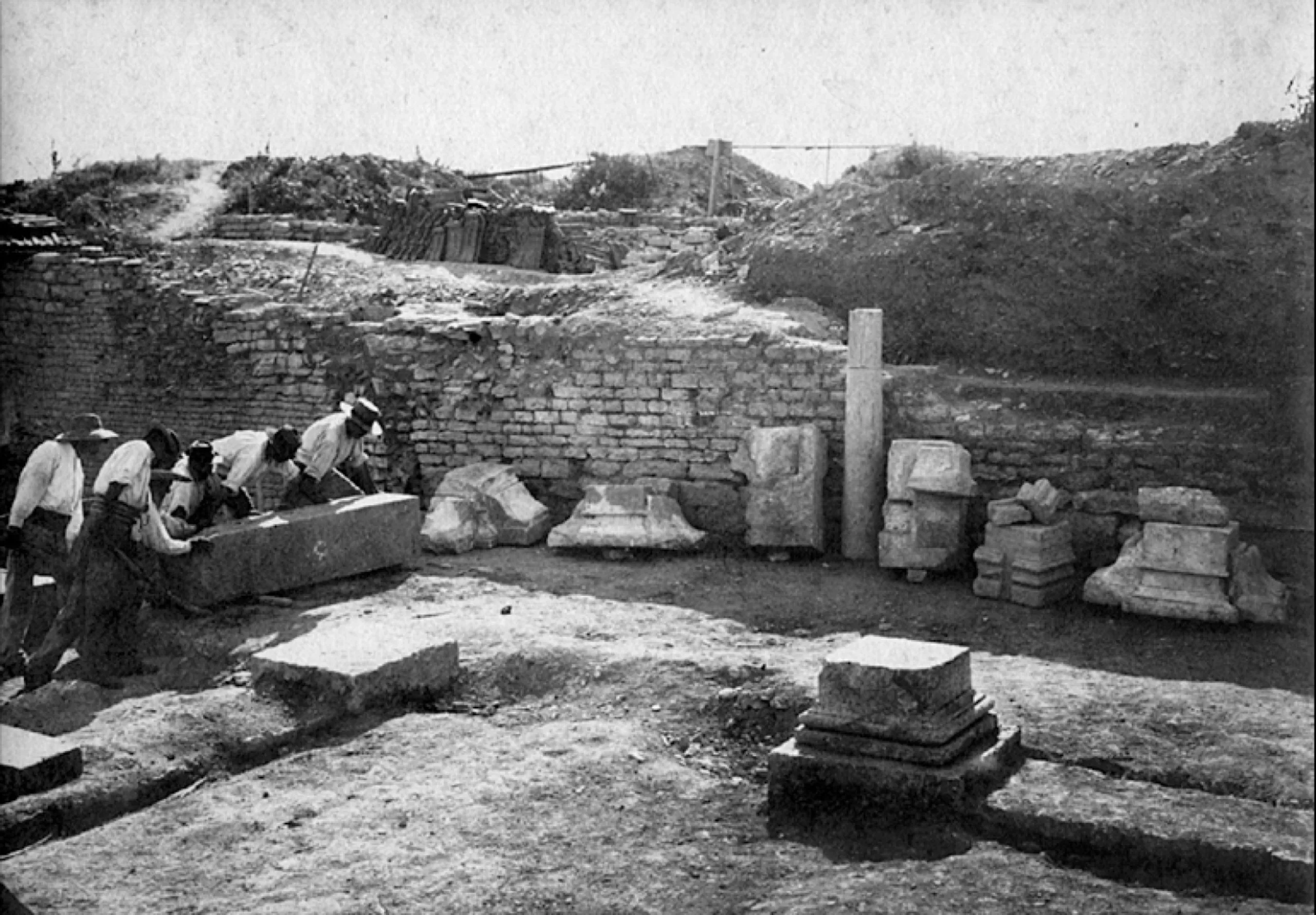
At the same time, from 1810 onwards, research also focused on the ancient town, with notable excavations carried out by Émile Espérandieu and the Semur-en-Auxois Society of Sciences between 1905 and 1906. Since the 1950s, the Gallo-Roman town has been the subject of numerous excavations organised by the university, contributing to a growing understanding of the site.
contemporary research
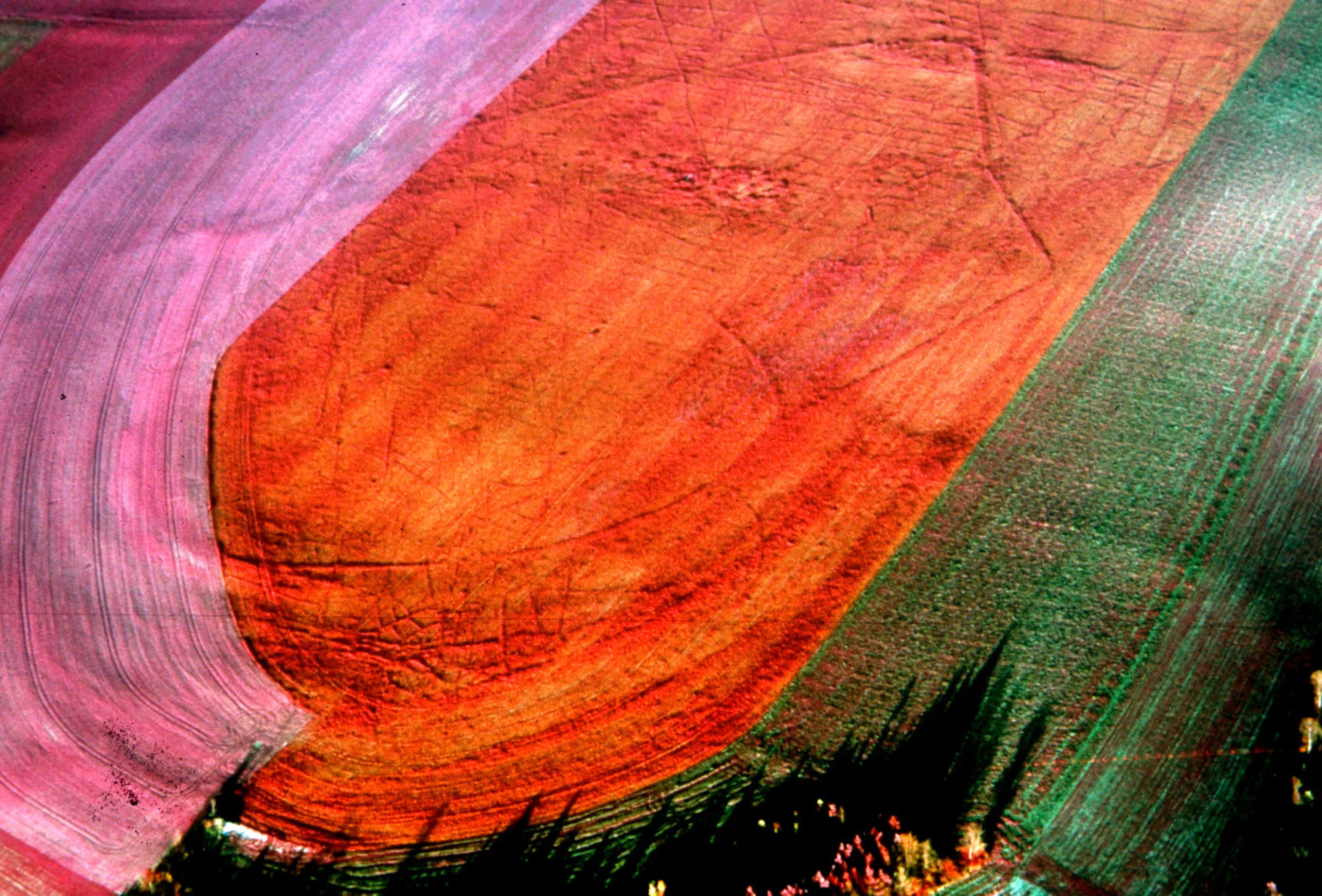
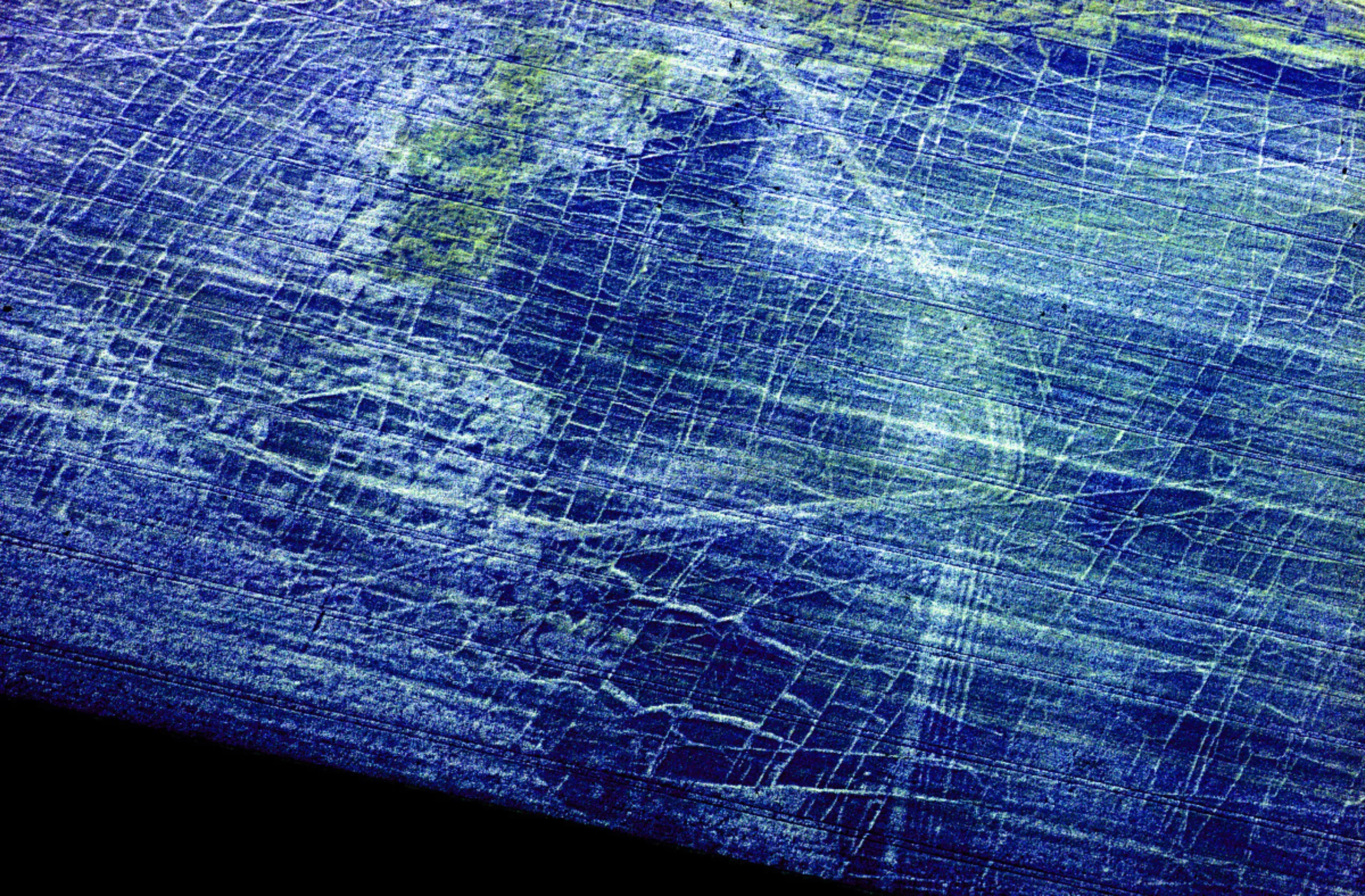
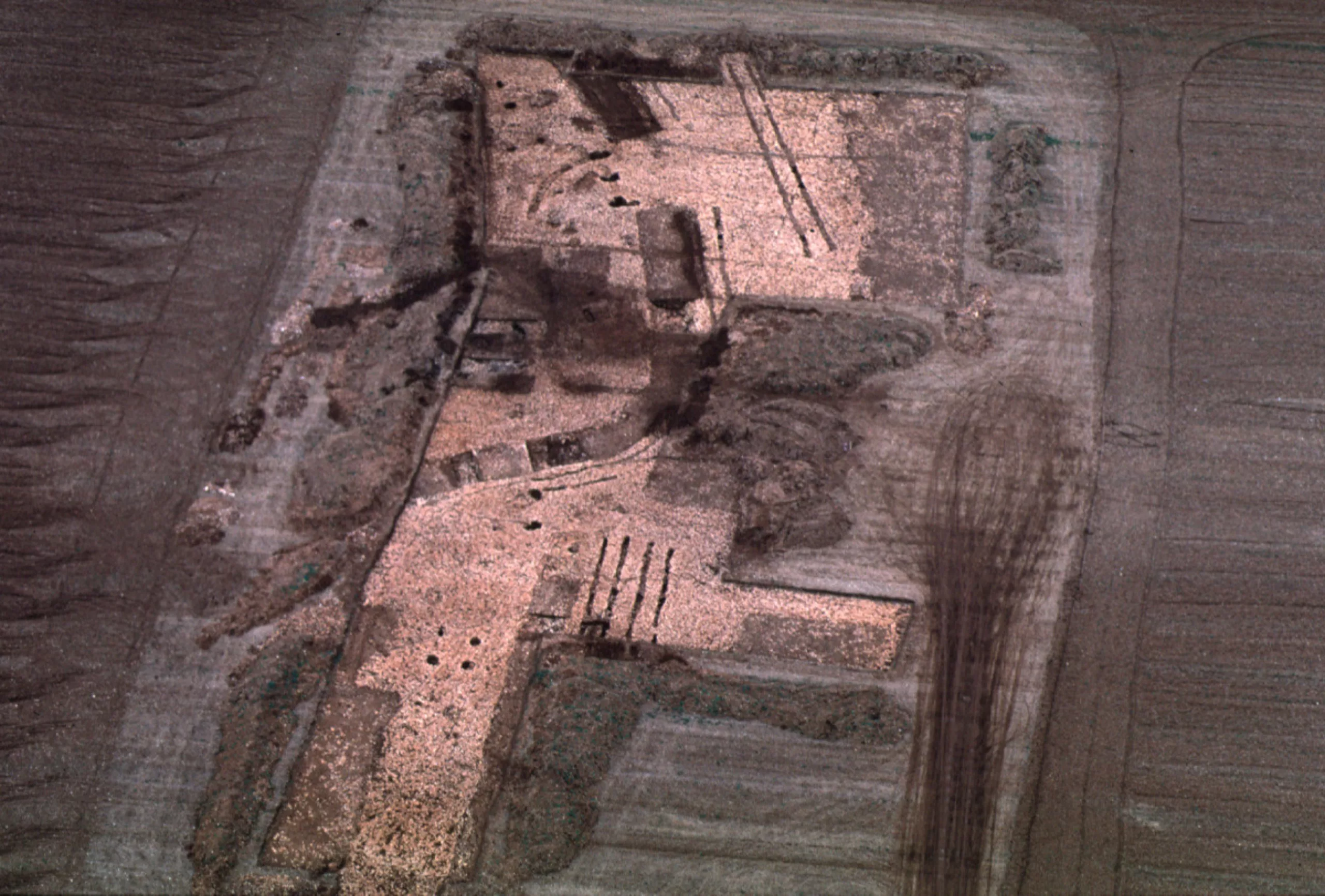
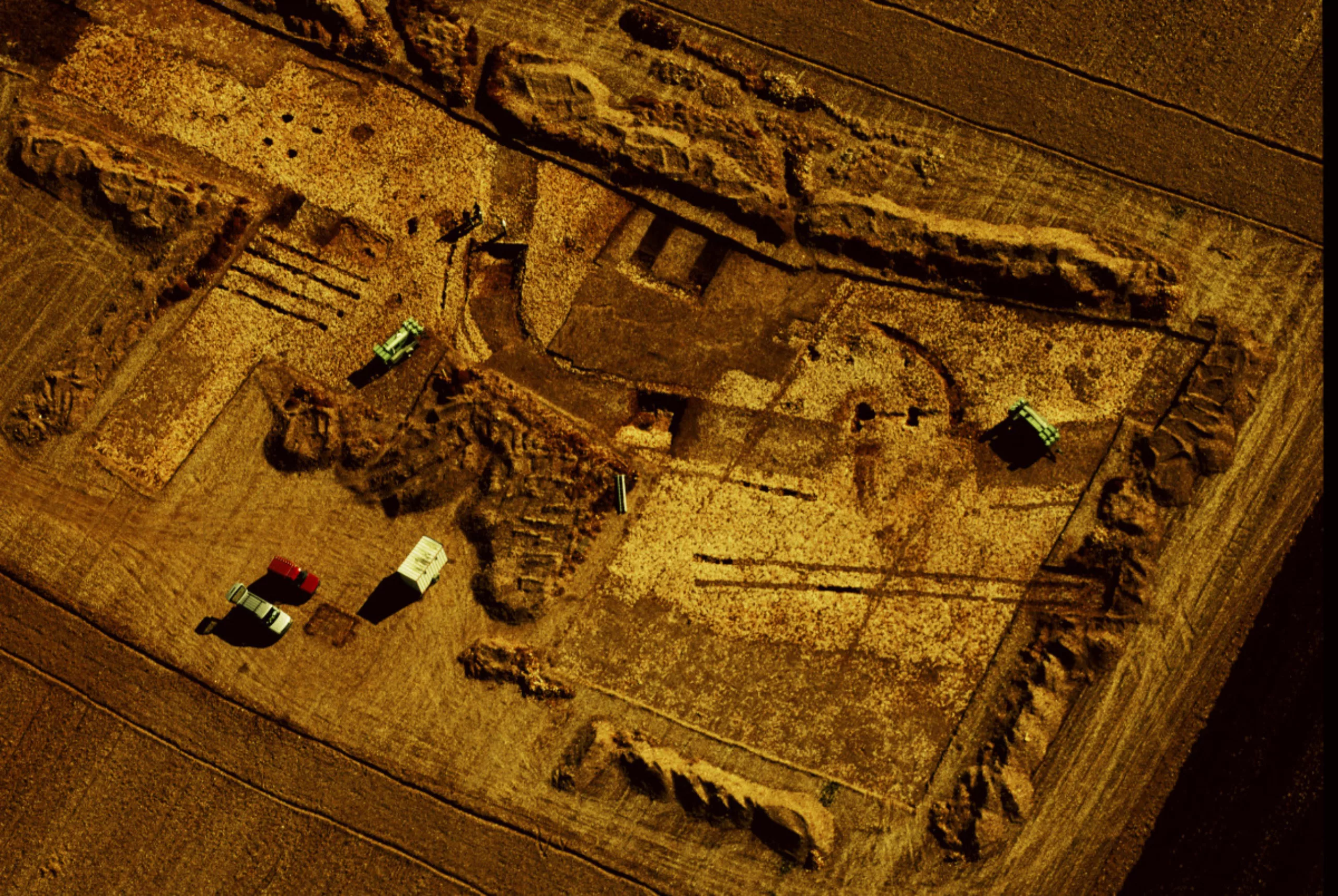
A major new milestone was reached between 1991 and 1997, with excavations commissioned by the Ministry of Culture under the Heritage Programme Act. The Franco-German research, led by Michel Reddé and Siegmar von Schnurbein, enabled an in-depth study of the Caesarian fortification lines. Building on René Goguey’s photographs, an aerial survey programme using LIDAR remote sensing was carried out in 2011 under the auspices of the Côte-d’Or Departmental Council.
recent excavation programmes
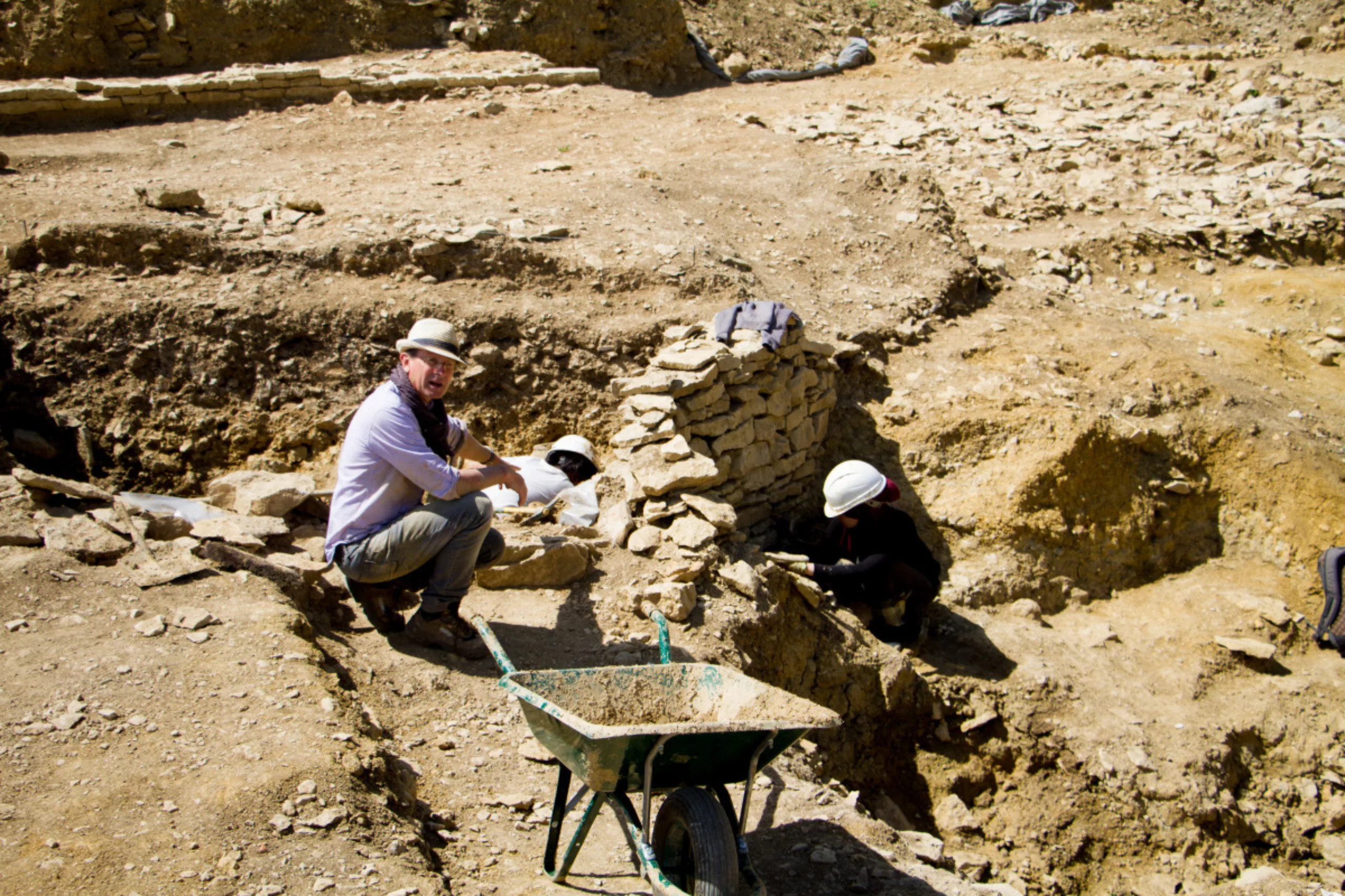
Between 2008 and 2018, a major programme led by Olivier de Cazanove led to the rediscovery of the site at La Croix-Saint-Charles. The excavations revealed a Gallo-Roman spring sanctuary dedicated to Apollo Moritasgus, including the discovery of an exceptionally well-preserved wooden basin, which is now on display to visitors as part of the permanent exhibition.
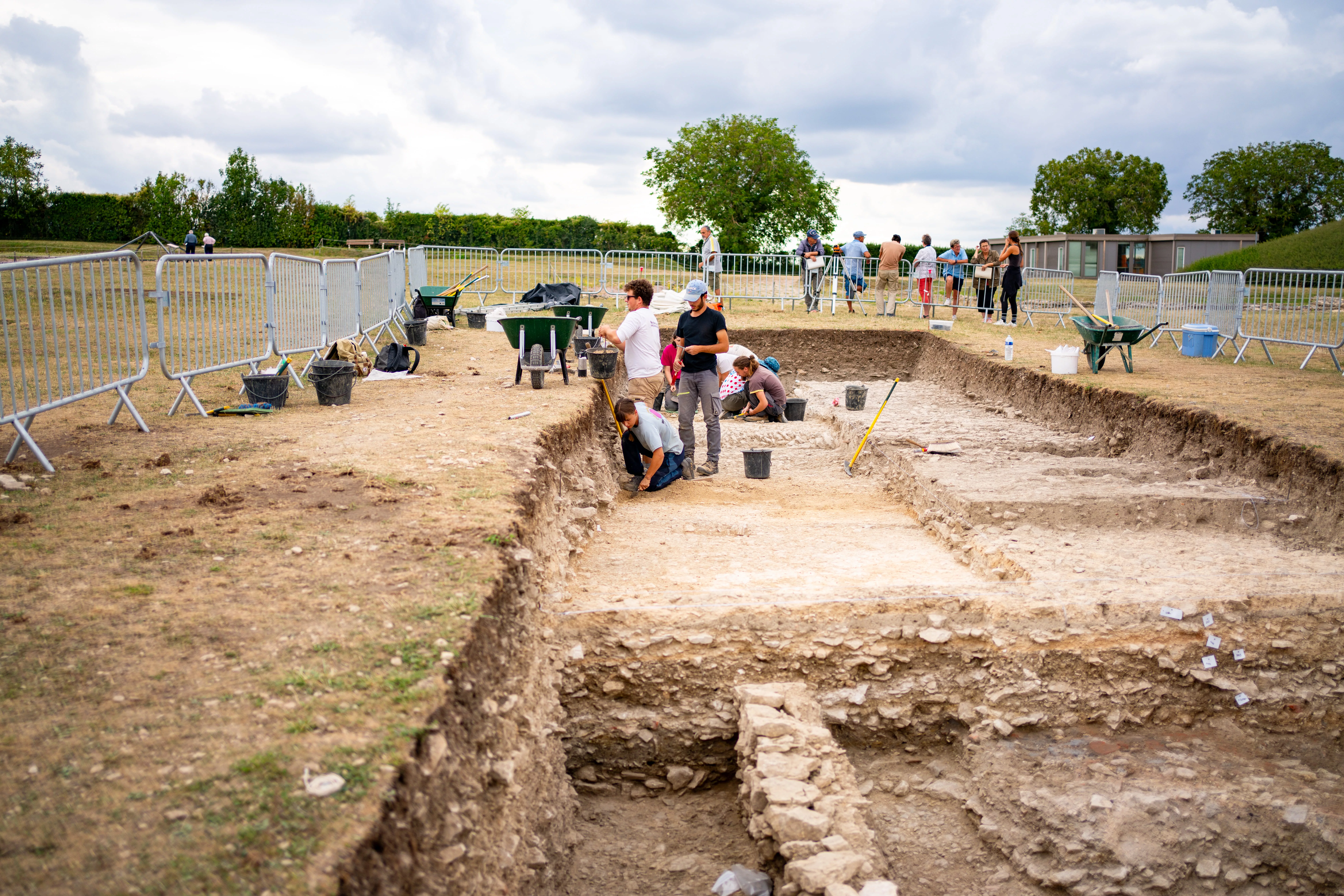
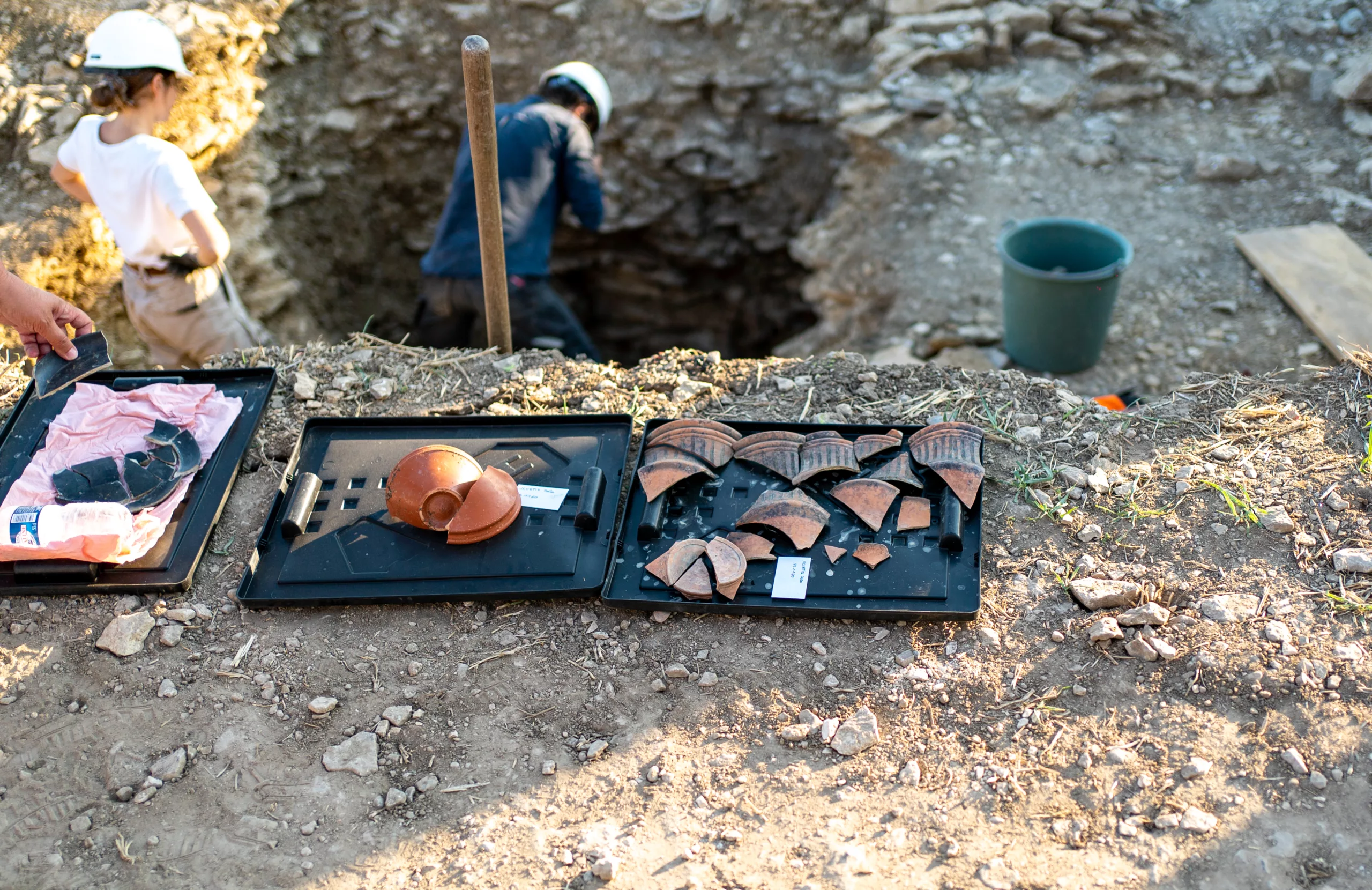
Since 2020, excavations have resumed within the boundaries of the archaeological site open to the public, under the direction of Mathieu Ribolet and Fabienne Creuzenet (UMR ARTEHIS, University of Burgundy). This research programme is based on close collaboration between the Côte-d’Or Departmental Council, the Bourgogne-Franche-Comté Regional Archaeology Service, the University of Burgundy, the ARTEHIS laboratory, the University of Pau, the MuséoParc Alésia and the municipality of Alise-Sainte-Reine.