Collections
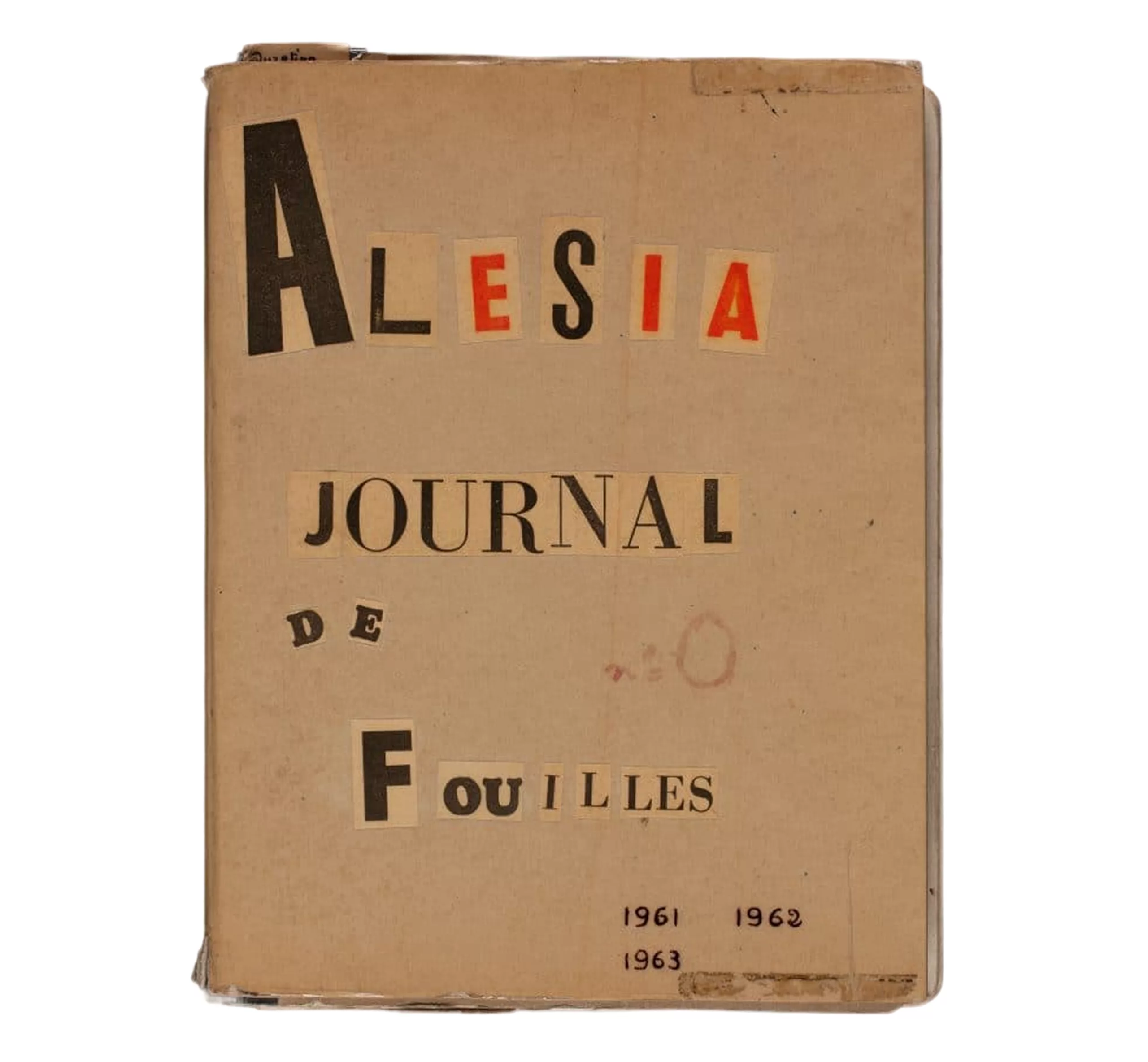
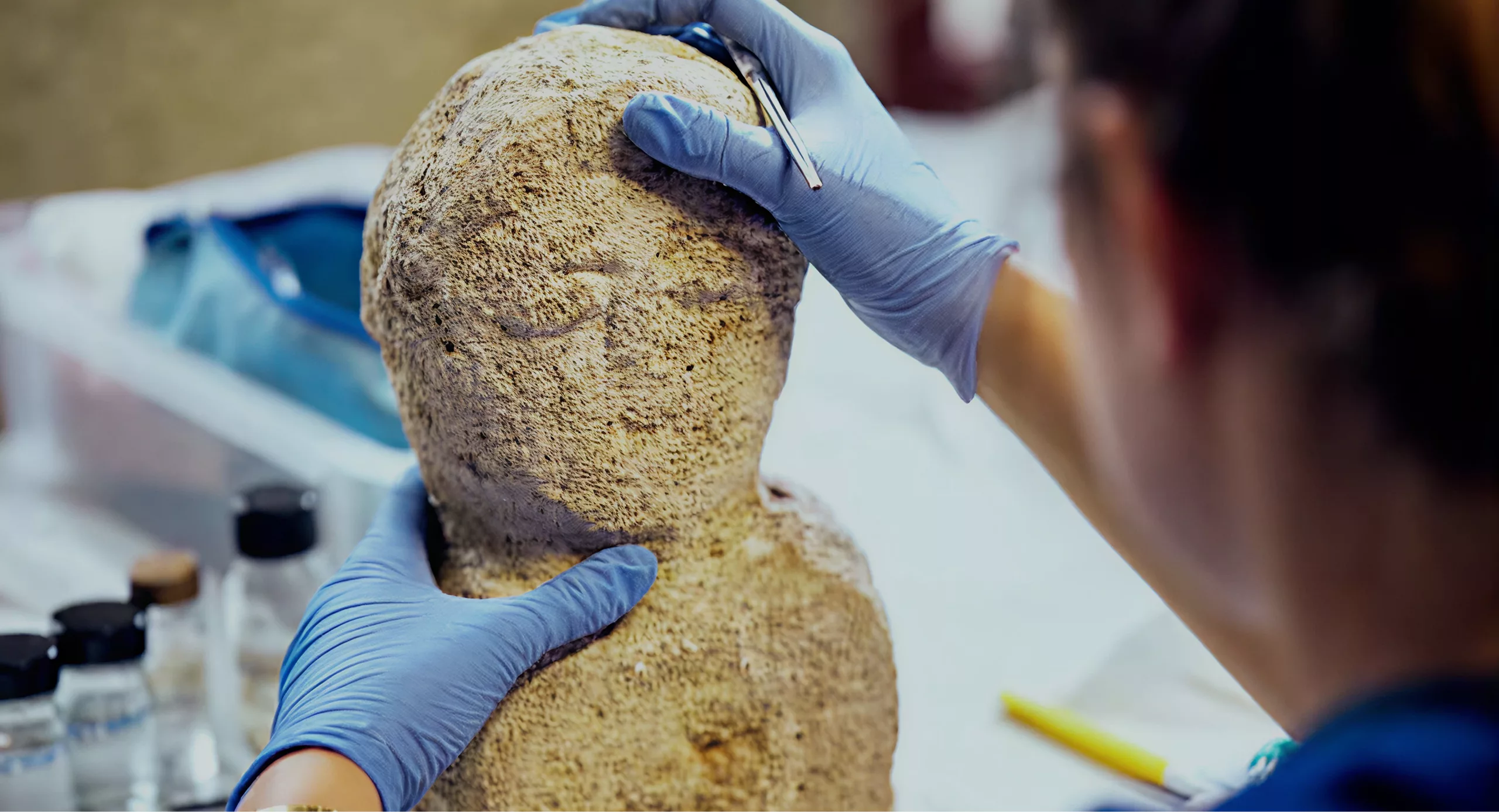
Hundreds of thousands of archaeological artefacts have been discovered at the Alésia site since the mid-17th century.
Under the auspices of the Semur Society of Sciences until 1958, and subsequently the University of Dijon until 2001, the site, the archaeological artefacts and the associated documentation became the property of the Côte-d’Or Department in 2006, and the museum was awarded the “Musée de France” designation in 2004.
In 2025,
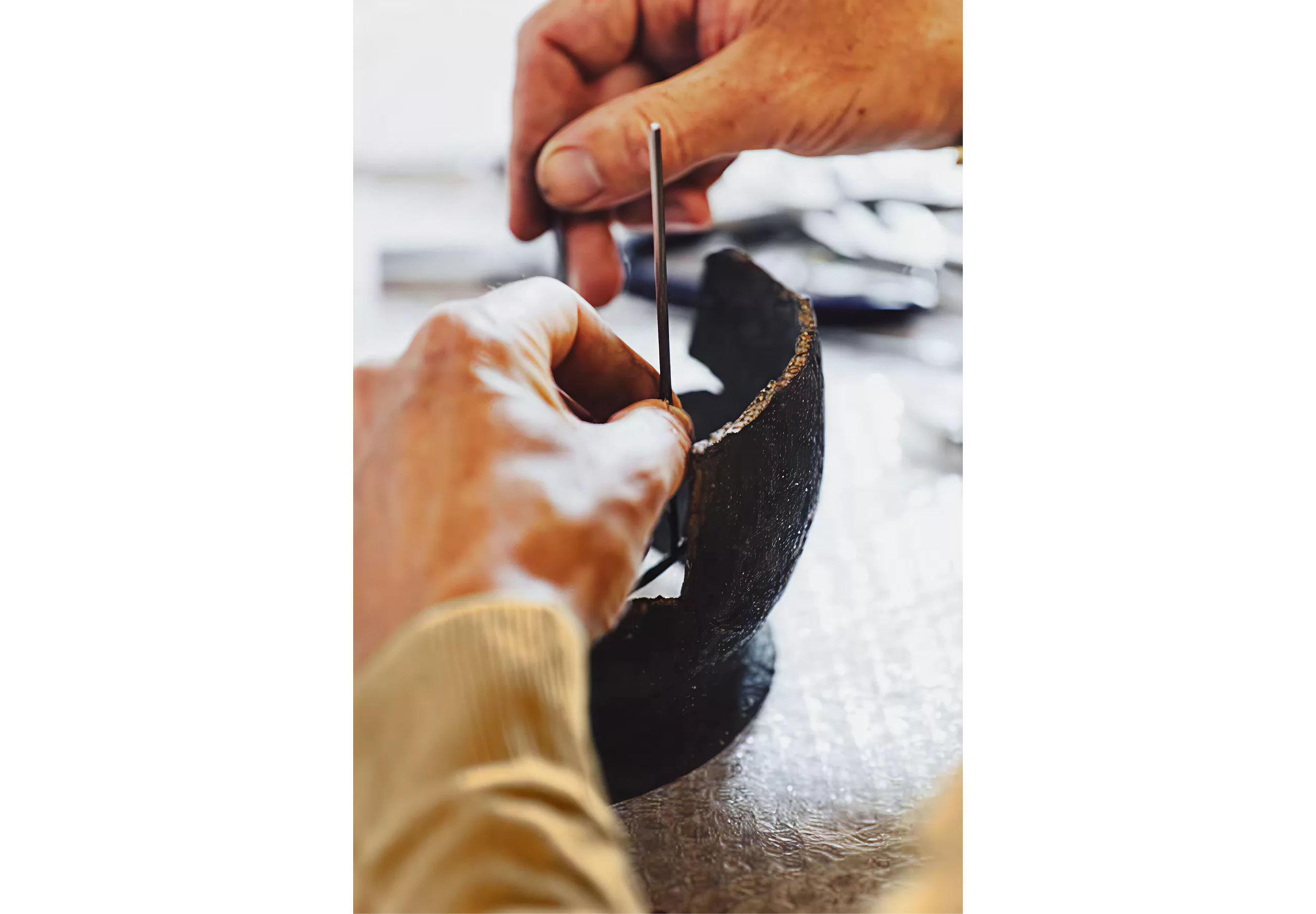
the Côte-d’Or Department entrusted the conservation and promotion of archaeological artefacts, documentary archives and collections to S.P.L. MuséoParc Alésia, which set up a team for its new Scientific and Collections Department. The story continues…
A selection of the museum’s collections is on display as part of the museum’s permanent exhibition and in temporary exhibitions.
Famous for the battle of 52 BC, Alesia was also the capital of a little-known Gallic tribe: the Mandubii.
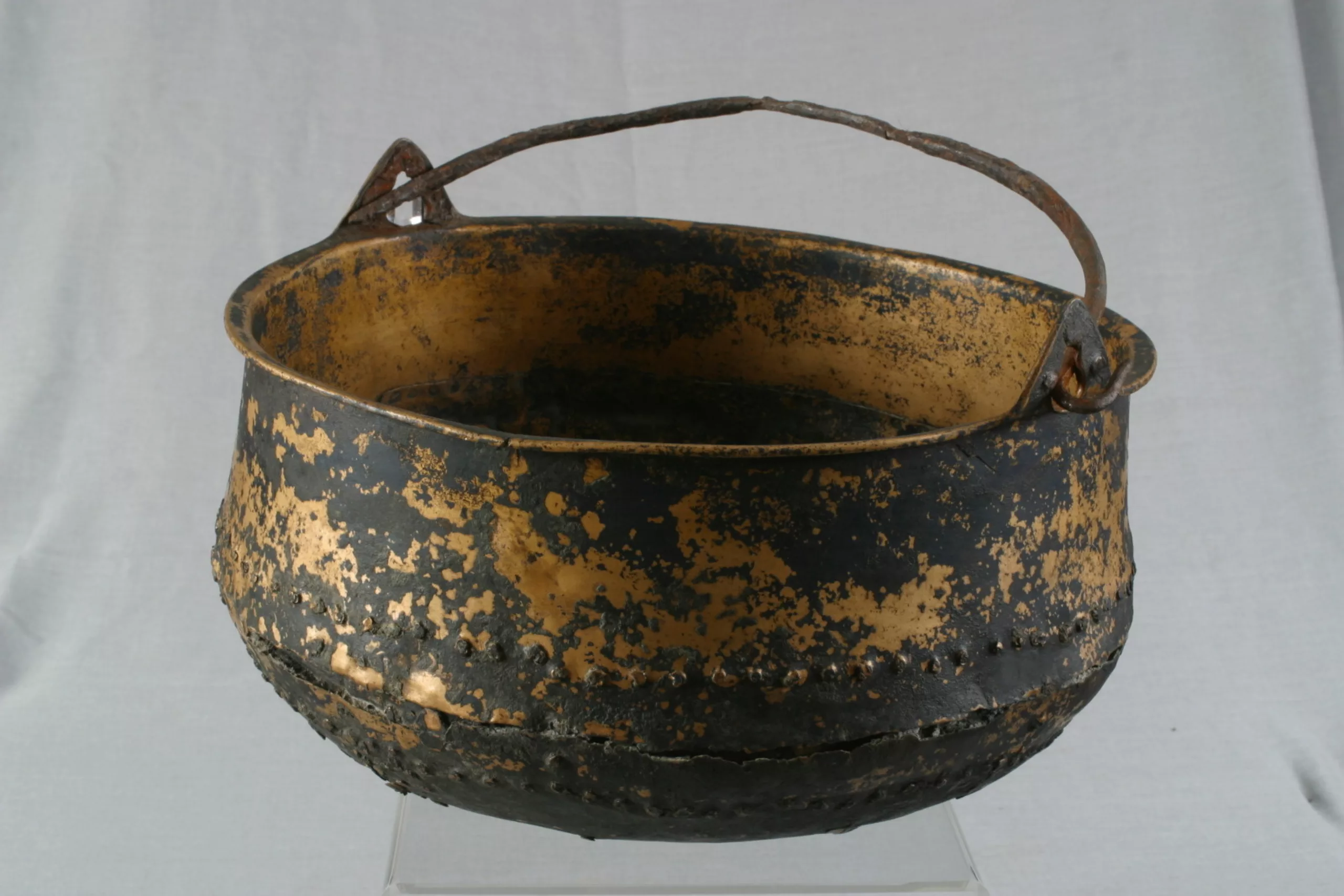
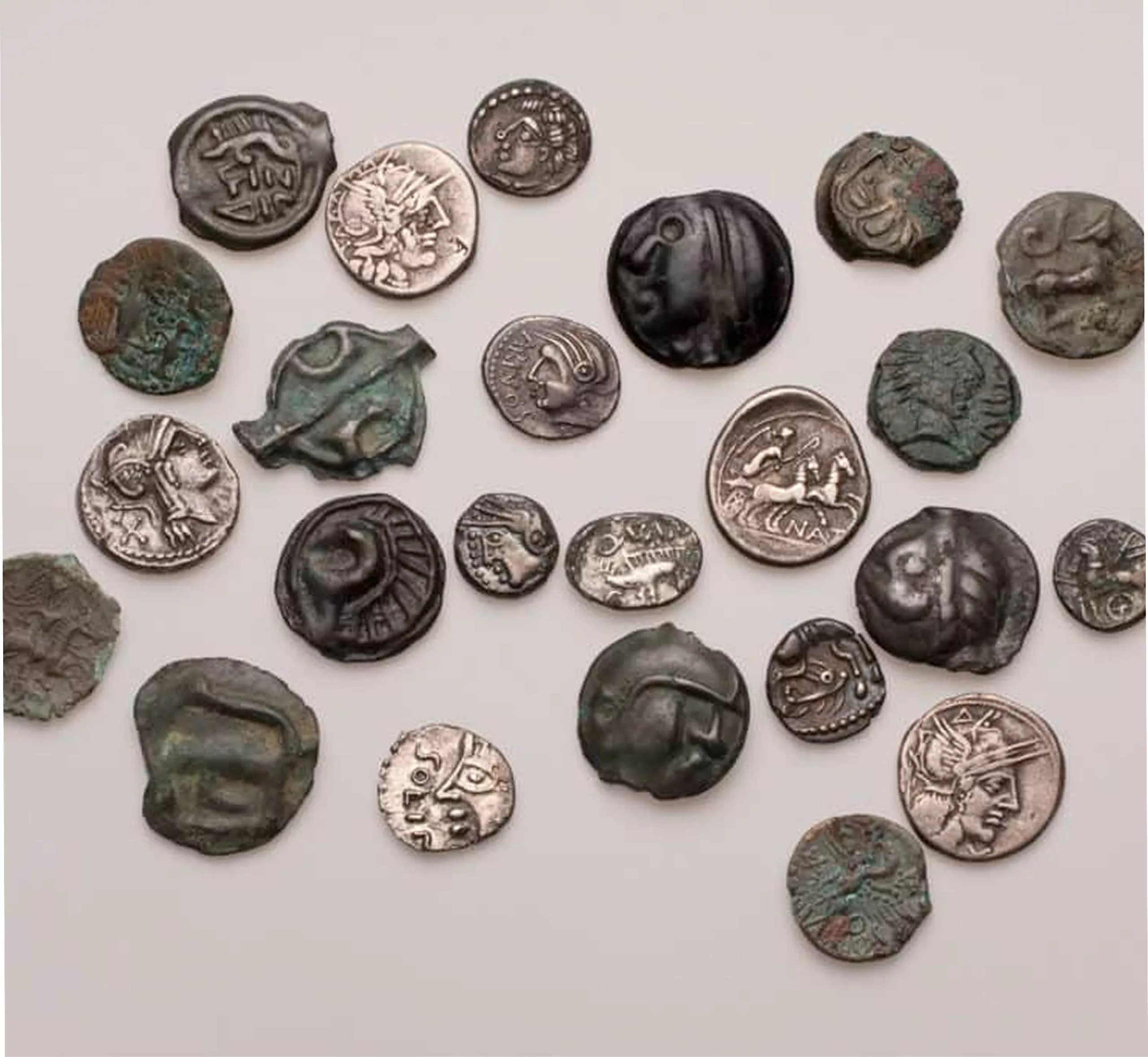
Excavations carried out at the site known as En Curiot between 1992 and 1997 revealed the presence of a fortified hilltop settlement (oppidum), characterised by the remains of a Gallic rampart, consisting of an assembly of stone blocks and interlaced beams secured by iron pegs, of the murus gallicus type. The identity of the Mandubians is reflected in painted pottery decorated with latticework patterns or, more rarely, plant motifs, and in the minting of a distinctive coin: the “Indian-headed” potins, long attributed to the Senones.
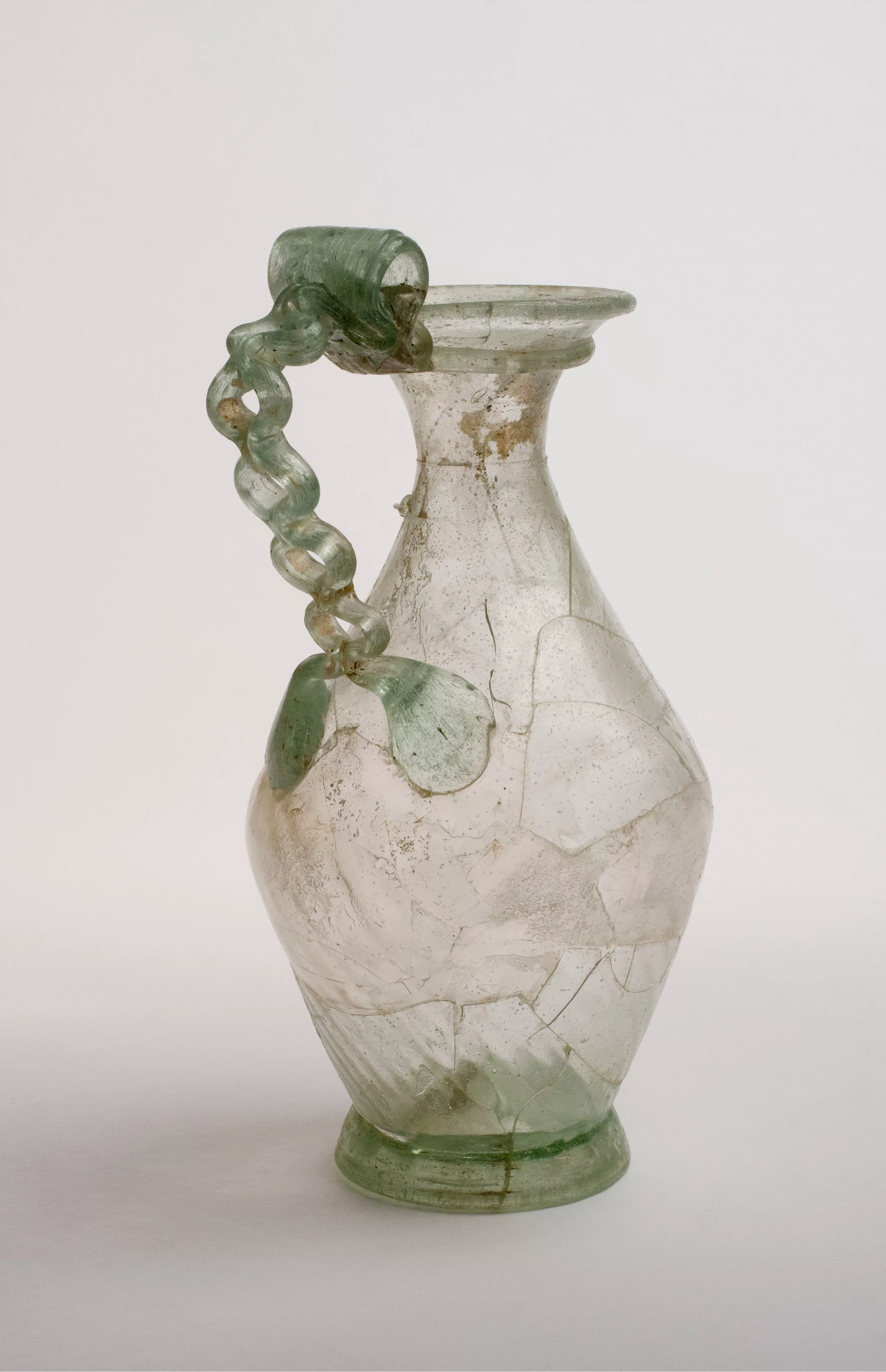
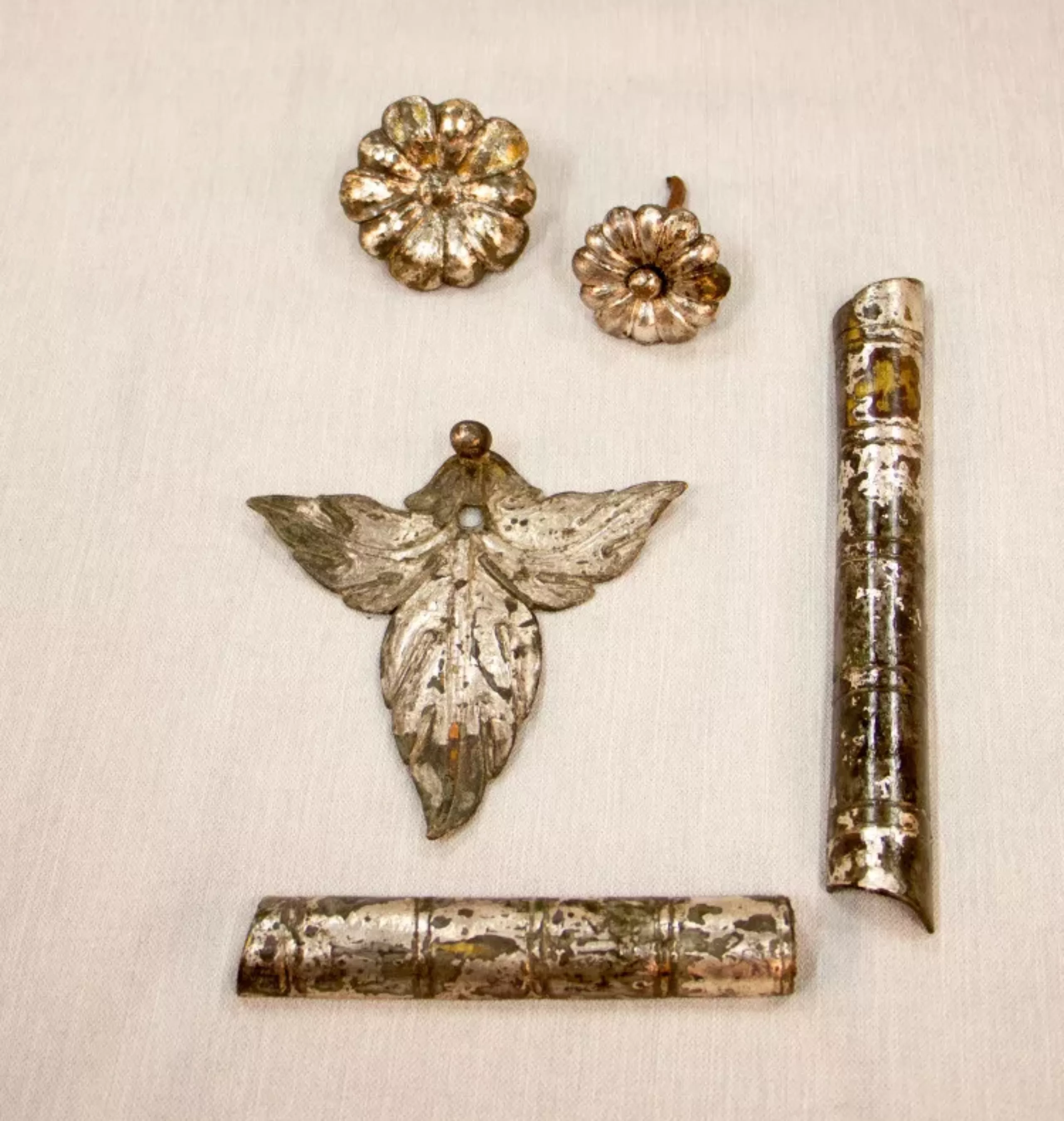
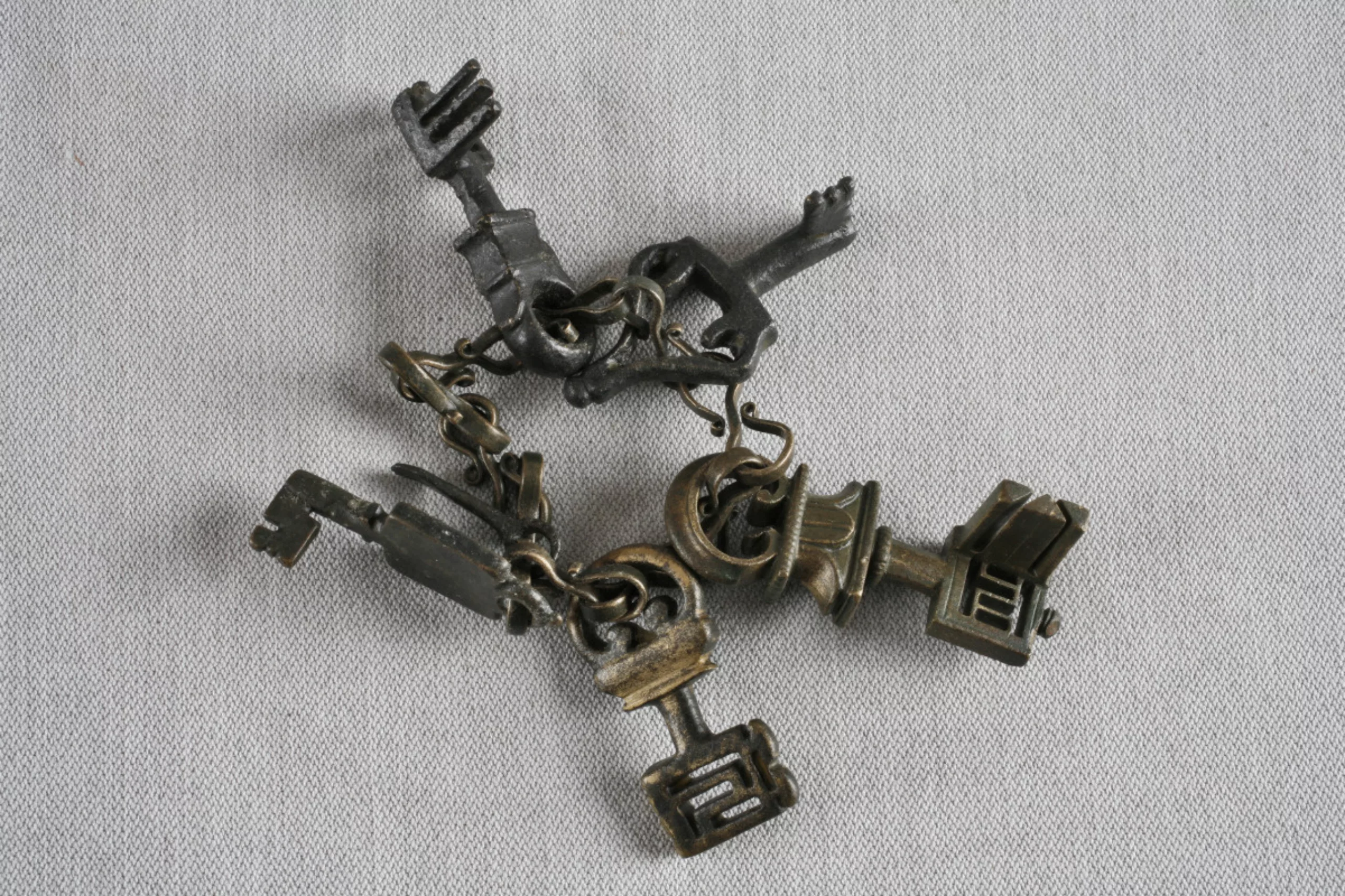
The discovery of an unfinished fibula suggests the presence of a local workshop. At the eastern end of the oppidum, surveys and excavations carried out at the site known as La Croix-Saint-Charles between 2008 and 2018 revealed a Gallic ritual gathering place, a “banquet enclosure” over which, during the Imperial period, a sanctuary dedicated to the god Apollo Moritasgus was built.
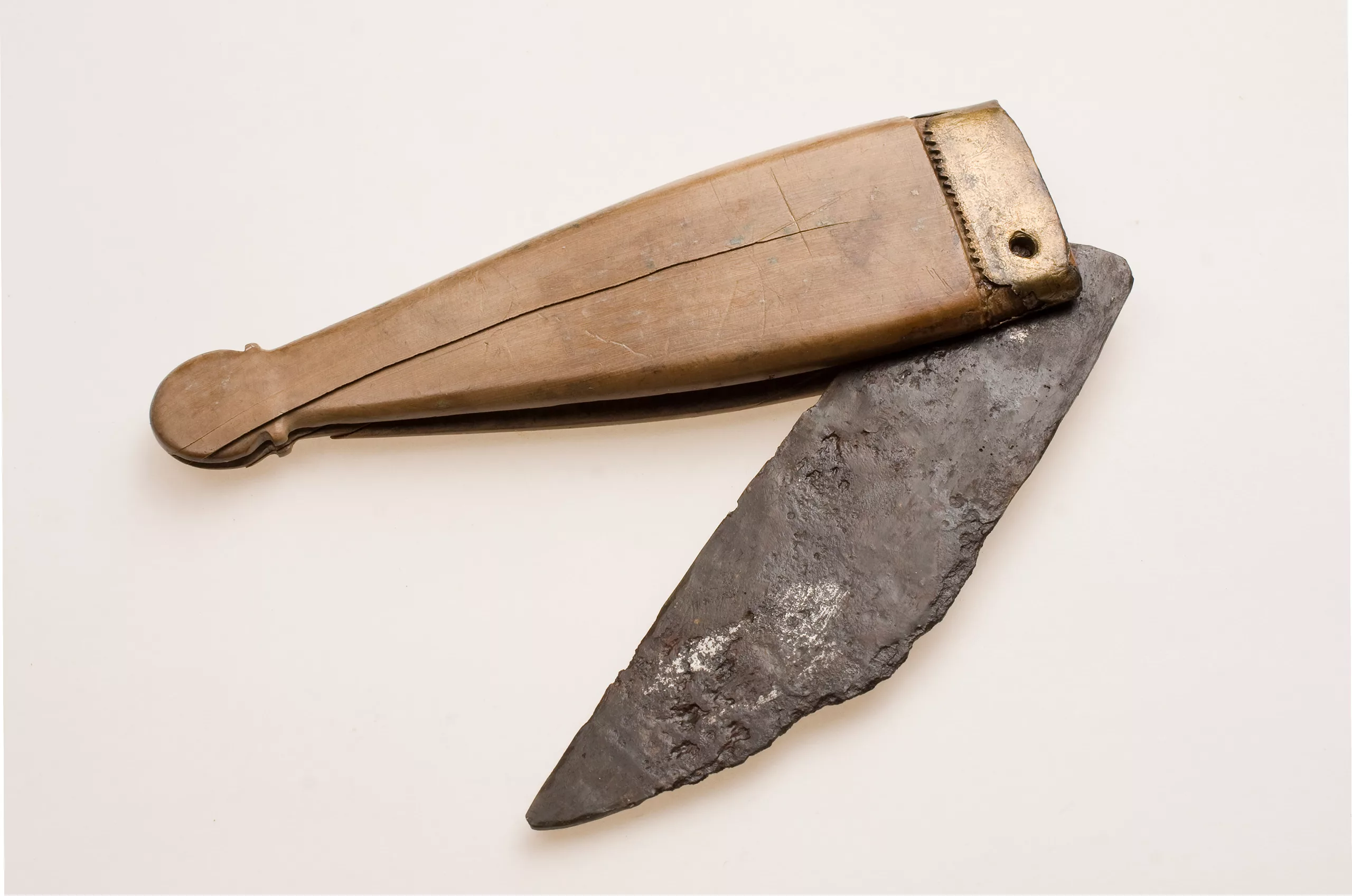
Most of the artefacts relating to the siege of 52 BC were collected during the excavations ordered by Napoleon III; this collection is now held at the National Archaeology Museum. However, a highly representative collection is also preserved on the site. It comprises weapons from the imperial excavations, originally from the former Municipal Museum of Alise-Sainte-Reine, artefacts collected during the Franco-German excavations (led by Michel Reddé and Siegmar von Schnurbein) carried out in the 1990s, and a deposit from the National Archaeology Museum.
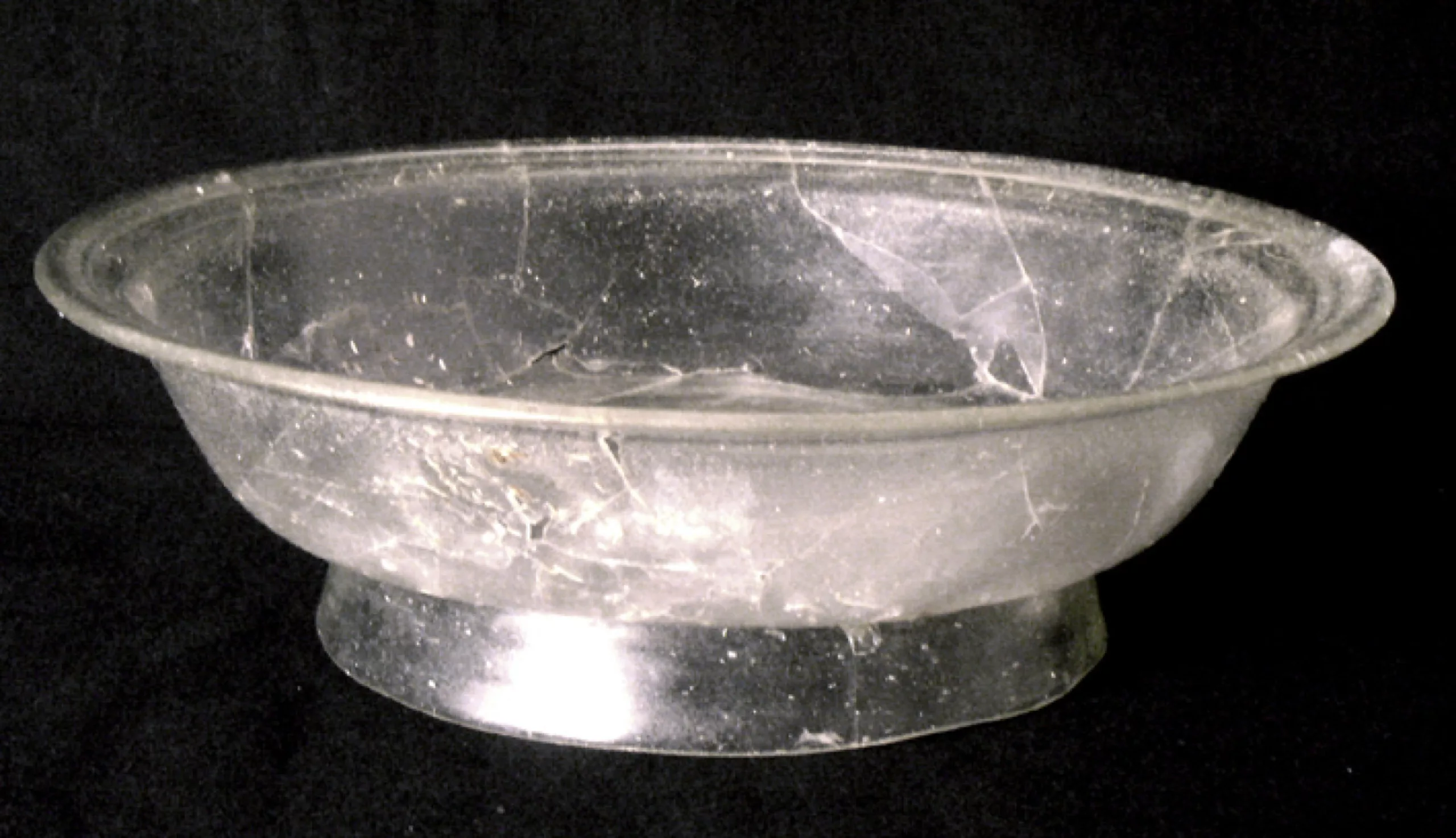
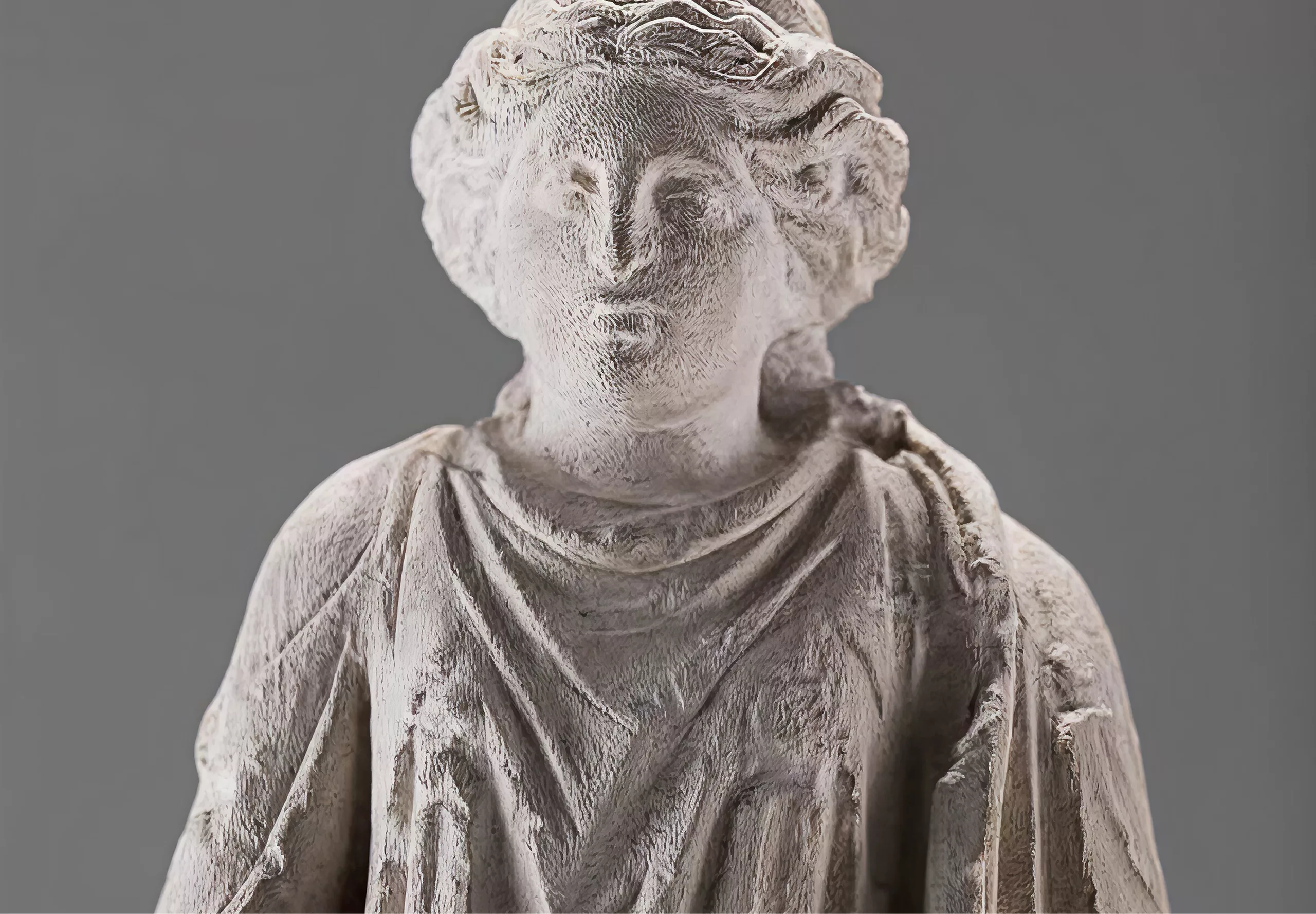
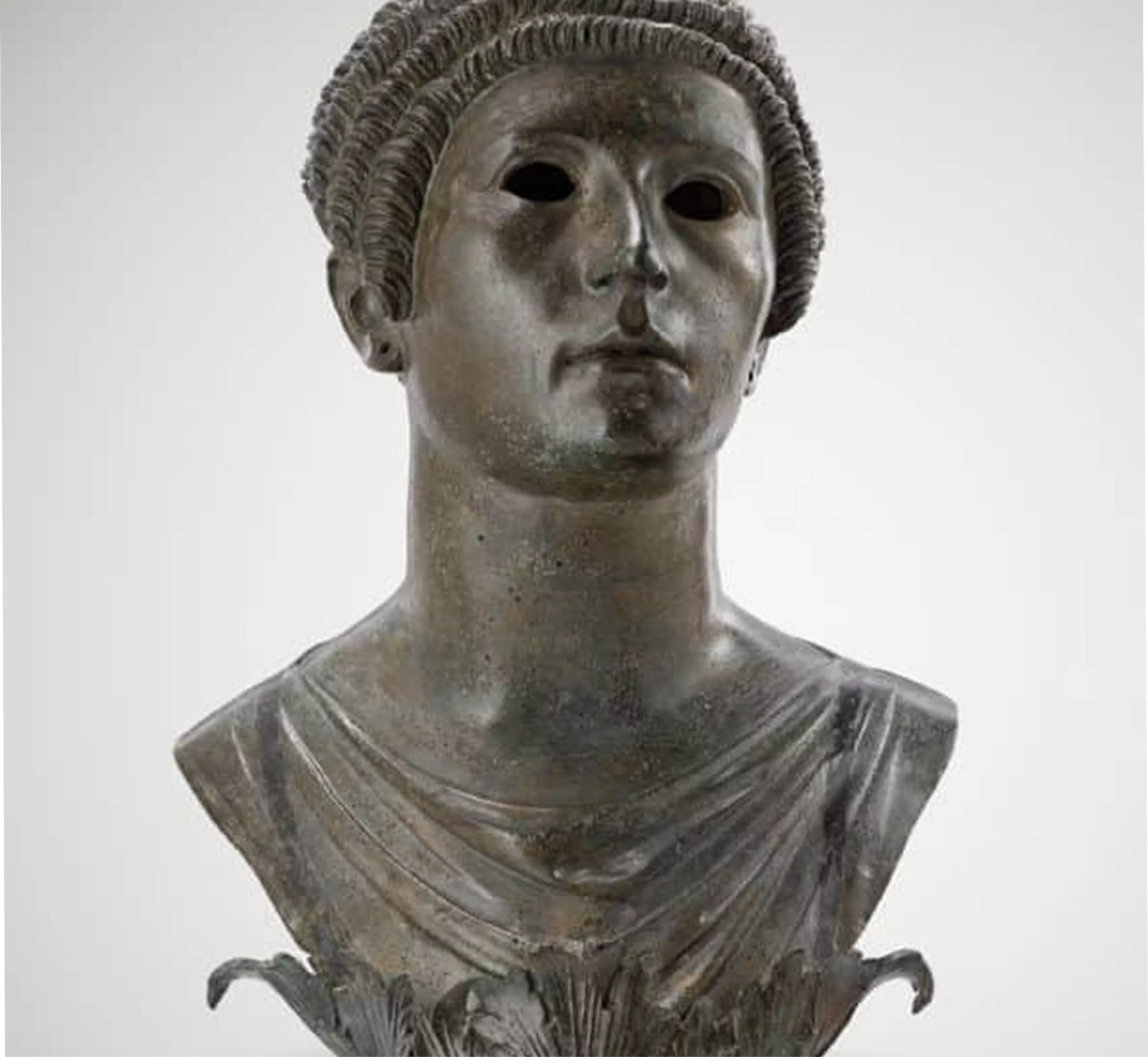
Under the influence of trade, and particularly following Julius Caesar’s conquest, Alesia became Romanised.
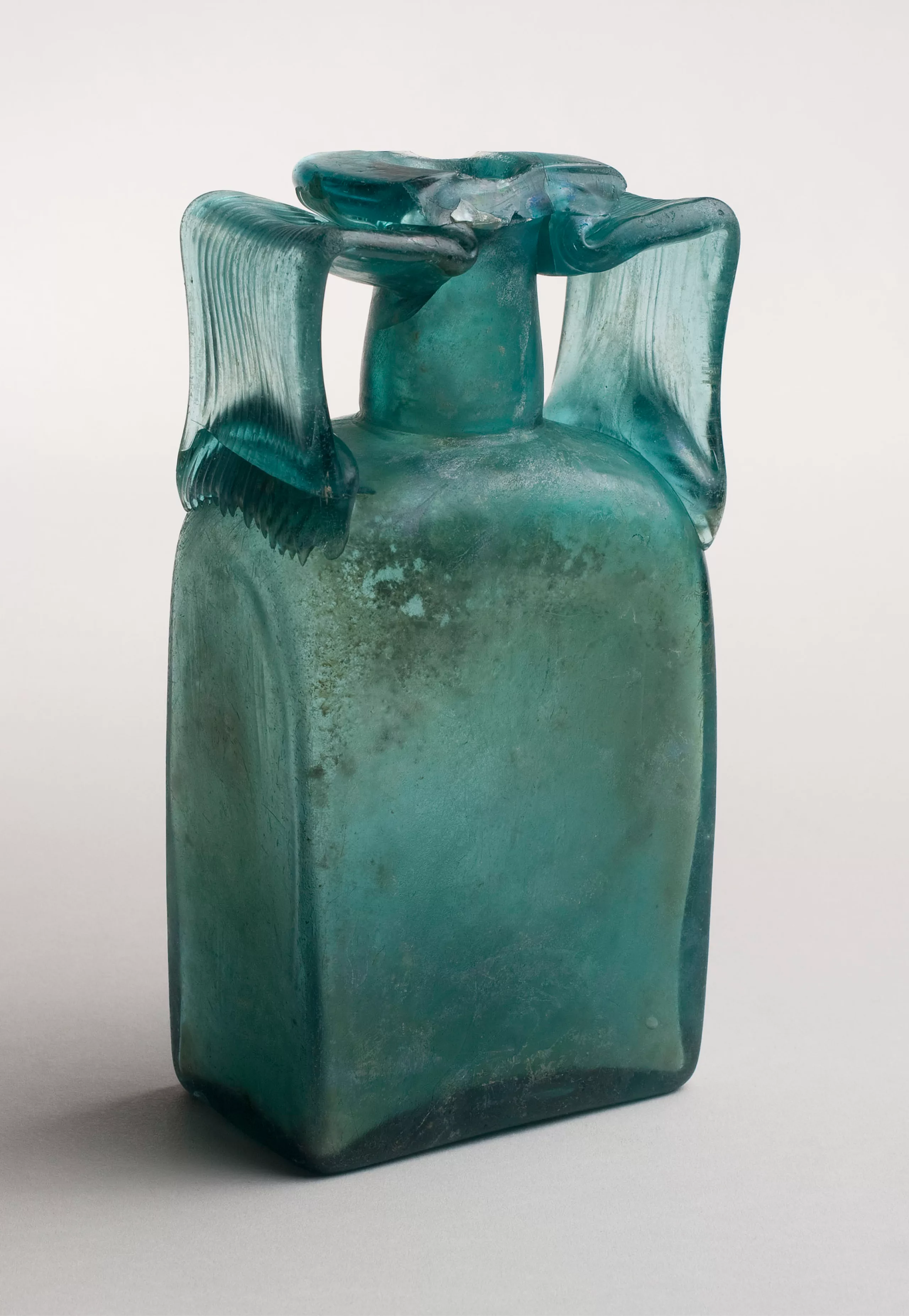
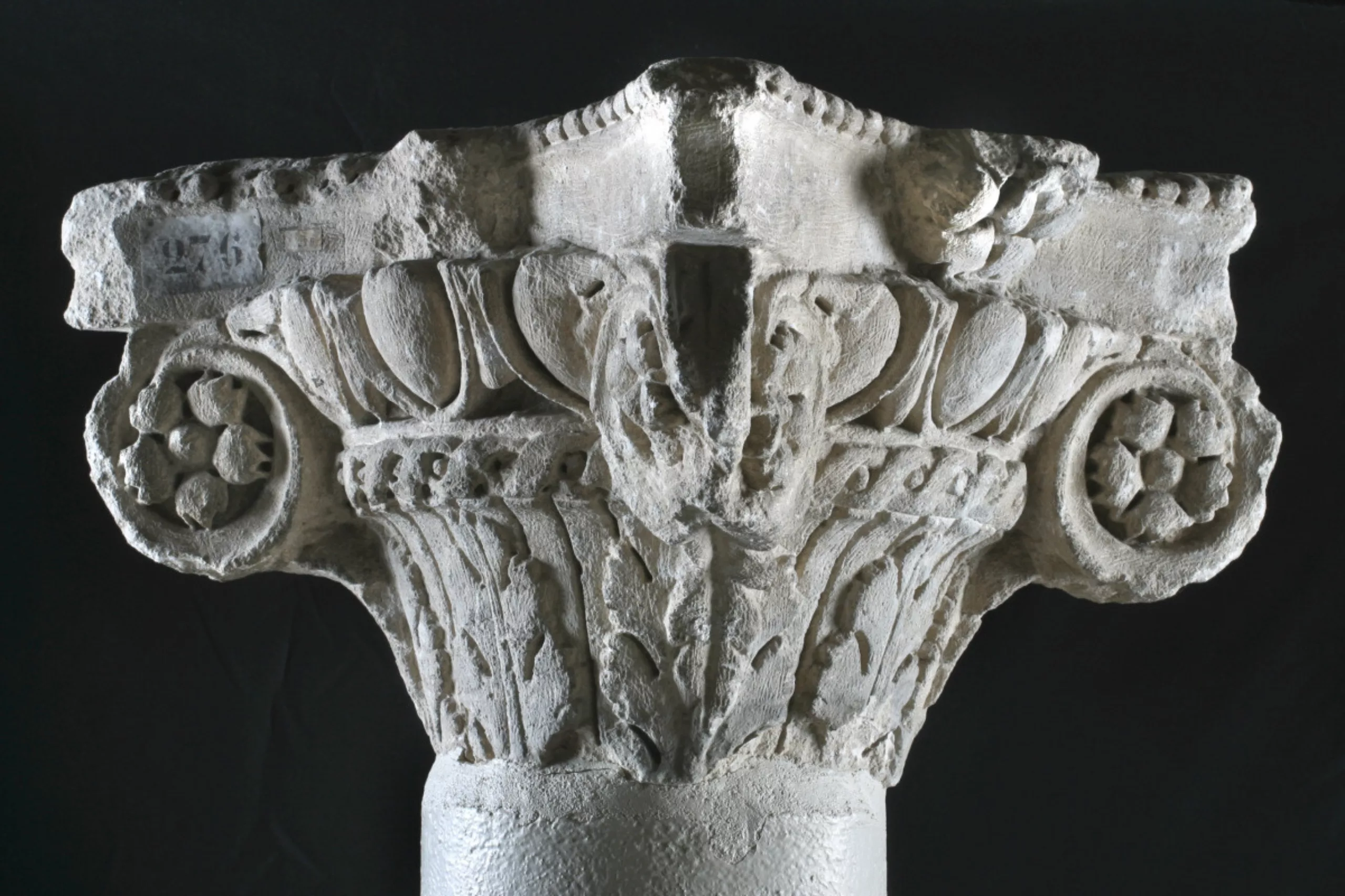
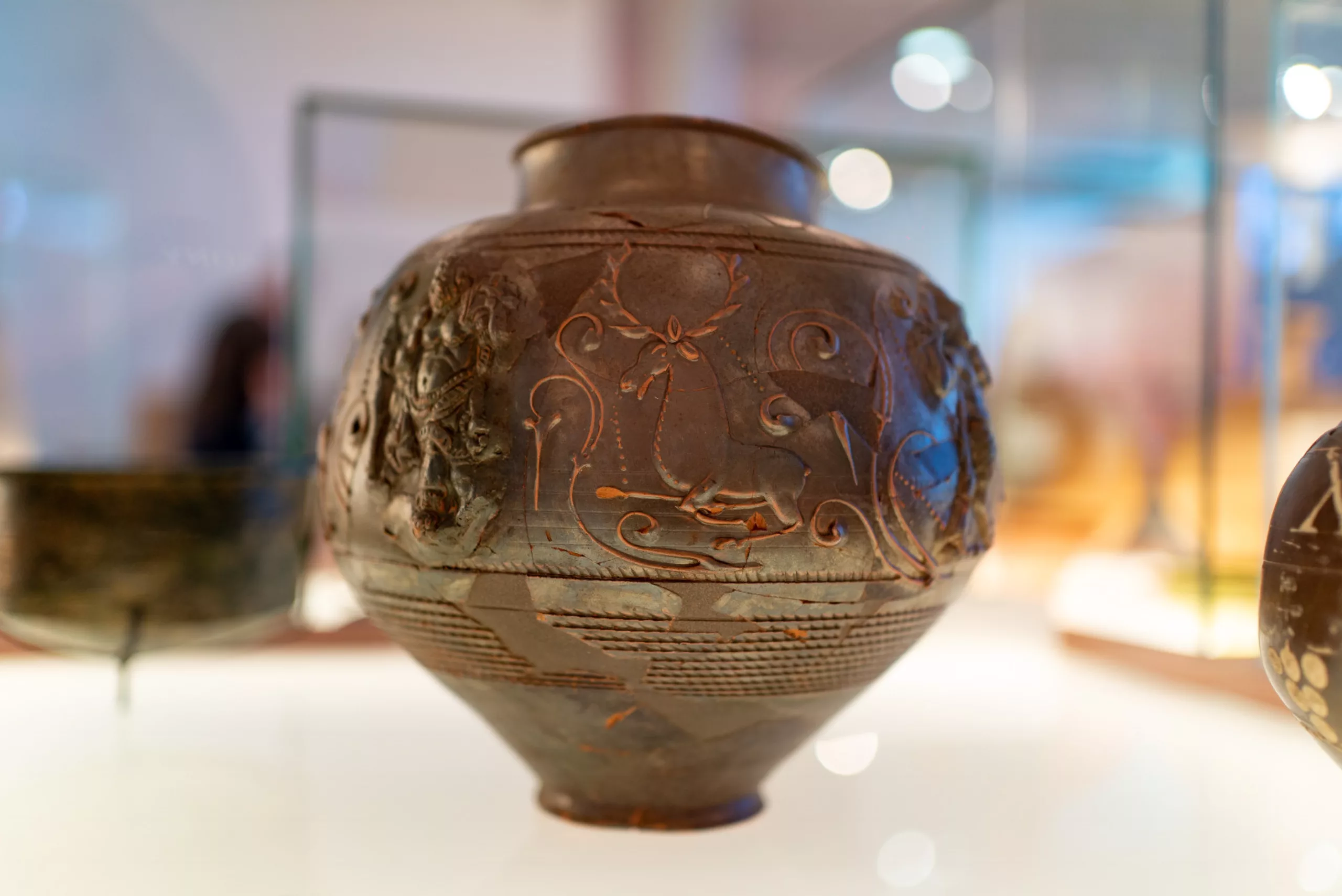
Exceptional statuary, large collections of sigillata and metallescente pottery, luxury items (ivory objects, mirrors, “Roman-style” portraits), as well as items linked to bronze craftsmanship and the manufacture of vehicle ornaments, bear witness to the city’s prosperity in the 1st, 2nd and 3rd centuries AD.
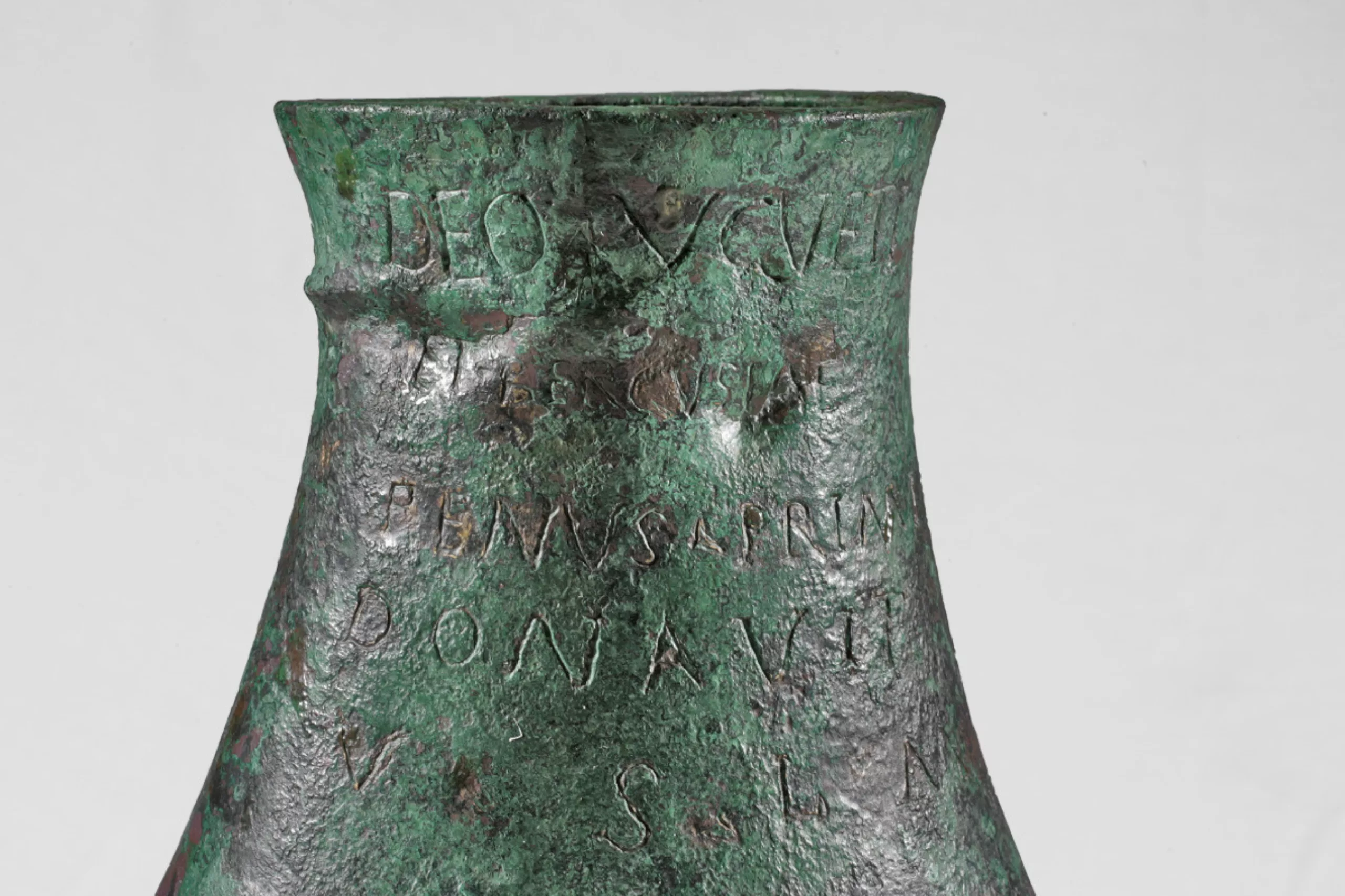
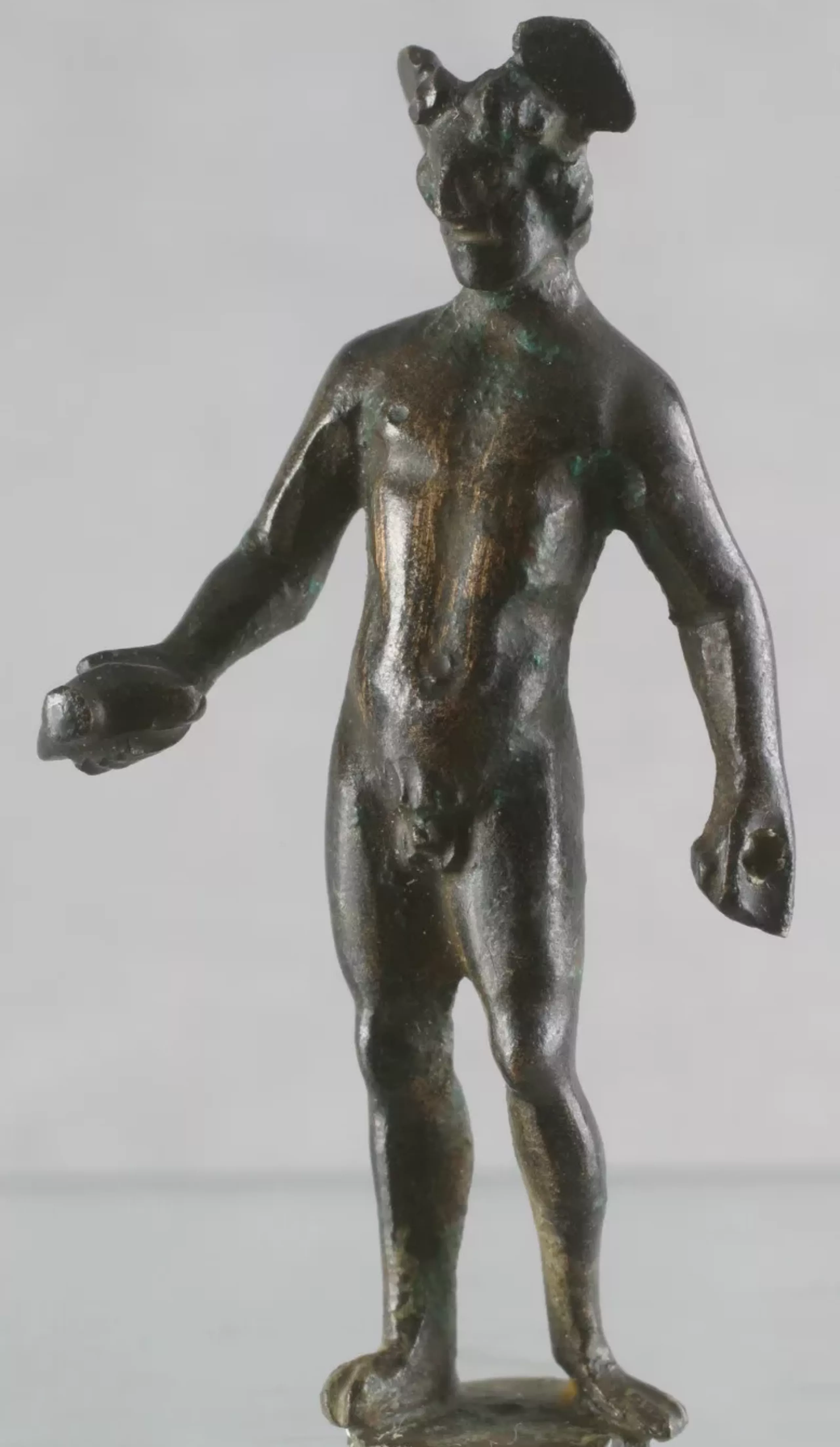
Domestic religious artefacts (small stone and bronze statuettes, single-legged altars) and votive offerings collected from the site of the sanctuary of Apollo Moritasgus are highlights of the collection. The presence of underground springs and numerous wells on the site has led to the exceptional preservation of wooden objects: water channels and basins, a bucket and a pan flute. The artefacts from this period, which are particularly abundant and varied, form the heart of the Musée de France collection.
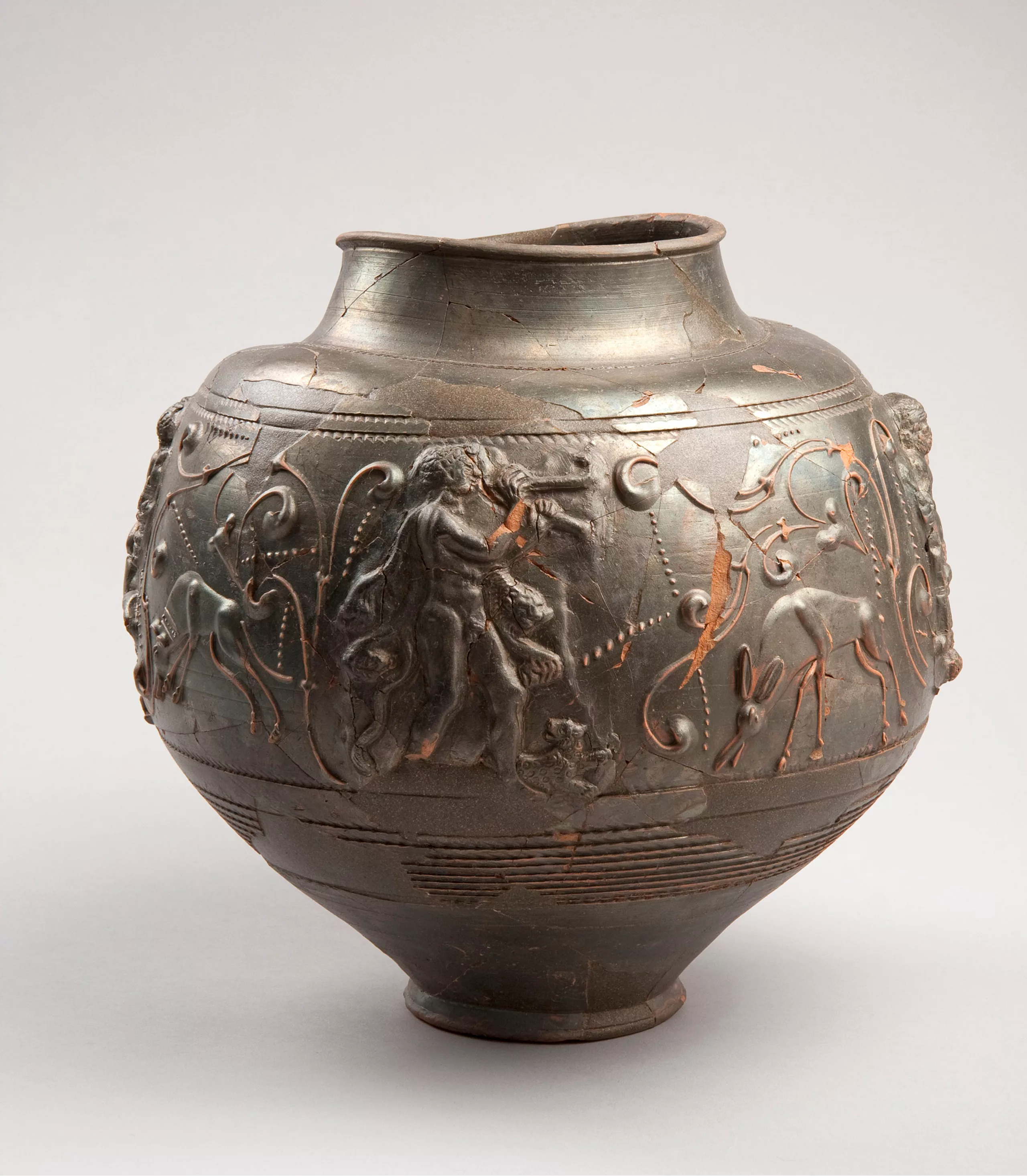
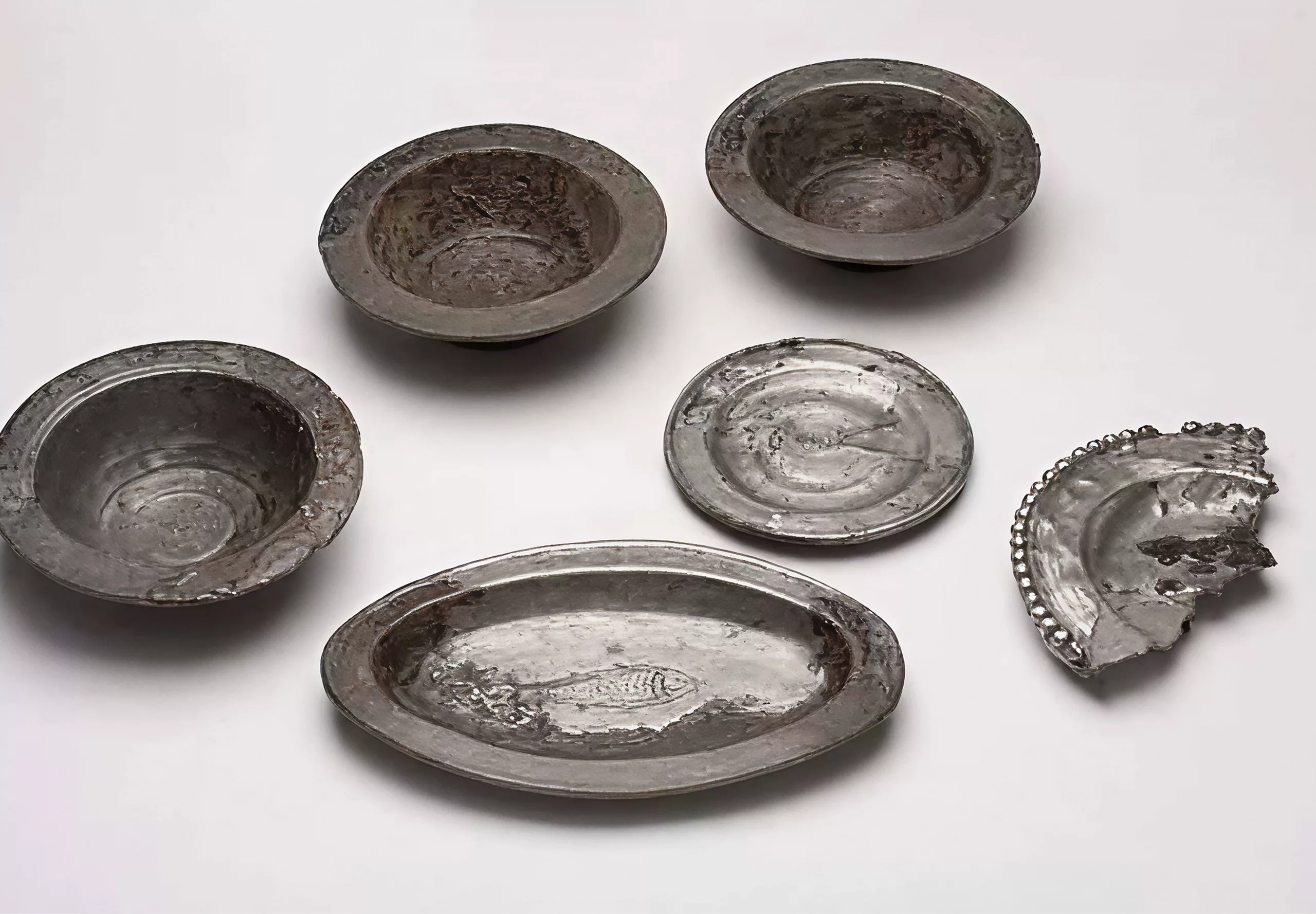
In the 5th century, the ancient settlement was abandoned.
Marking the final chapter in a long history of occupation of the Oppidum of Alis and the birthplace of the cult of Saint Reine, which was to spread throughout medieval Europe, the Basilica of Sainte-Reine developed from a modest Christian building intended to house the saint’s relics. Excavations carried out between 1985 and 1993 made it possible to reconstruct the successive phases of the basilica’s development and to uncover a Merovingian necropolis at a place known as Les Champs de l’Eglise.
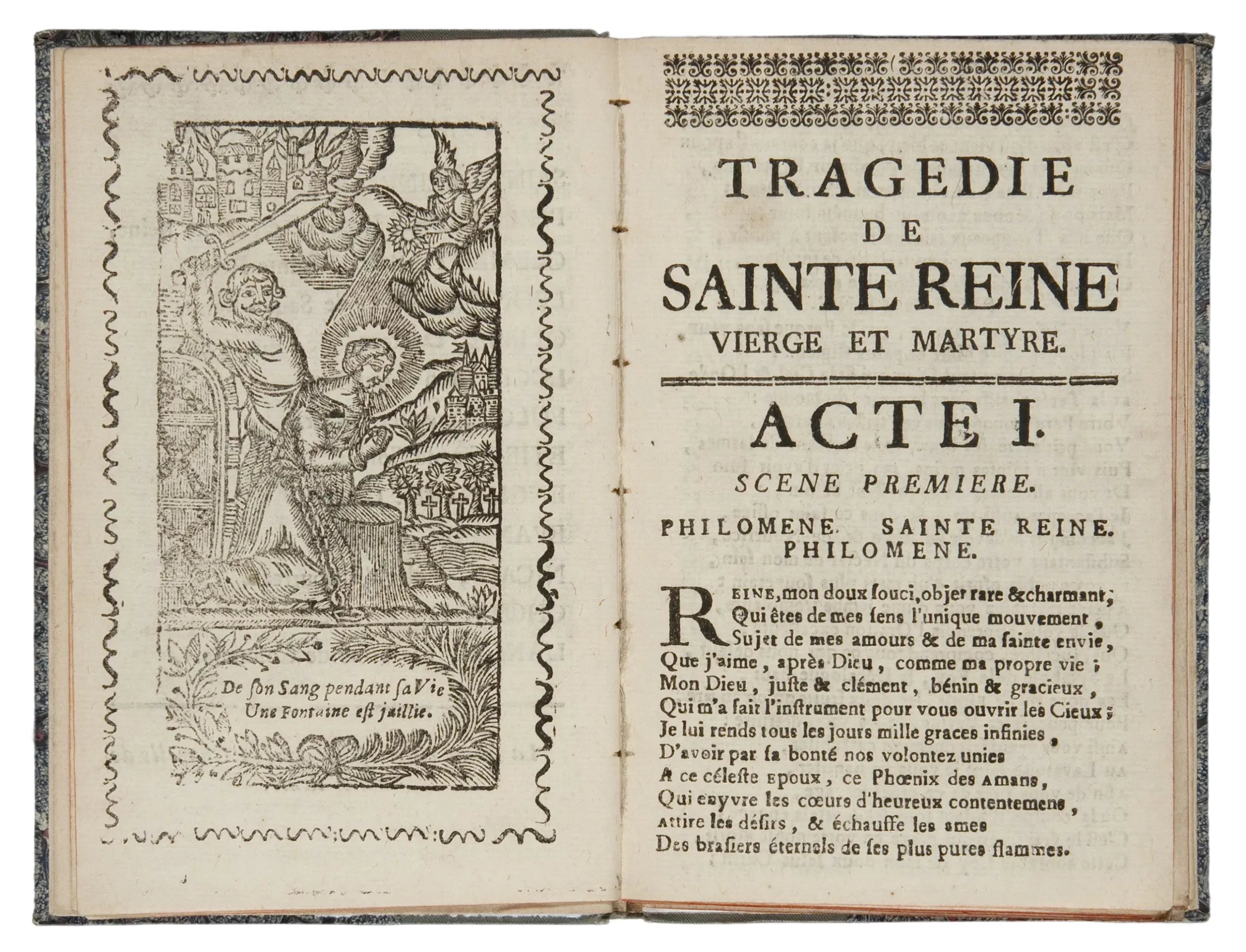
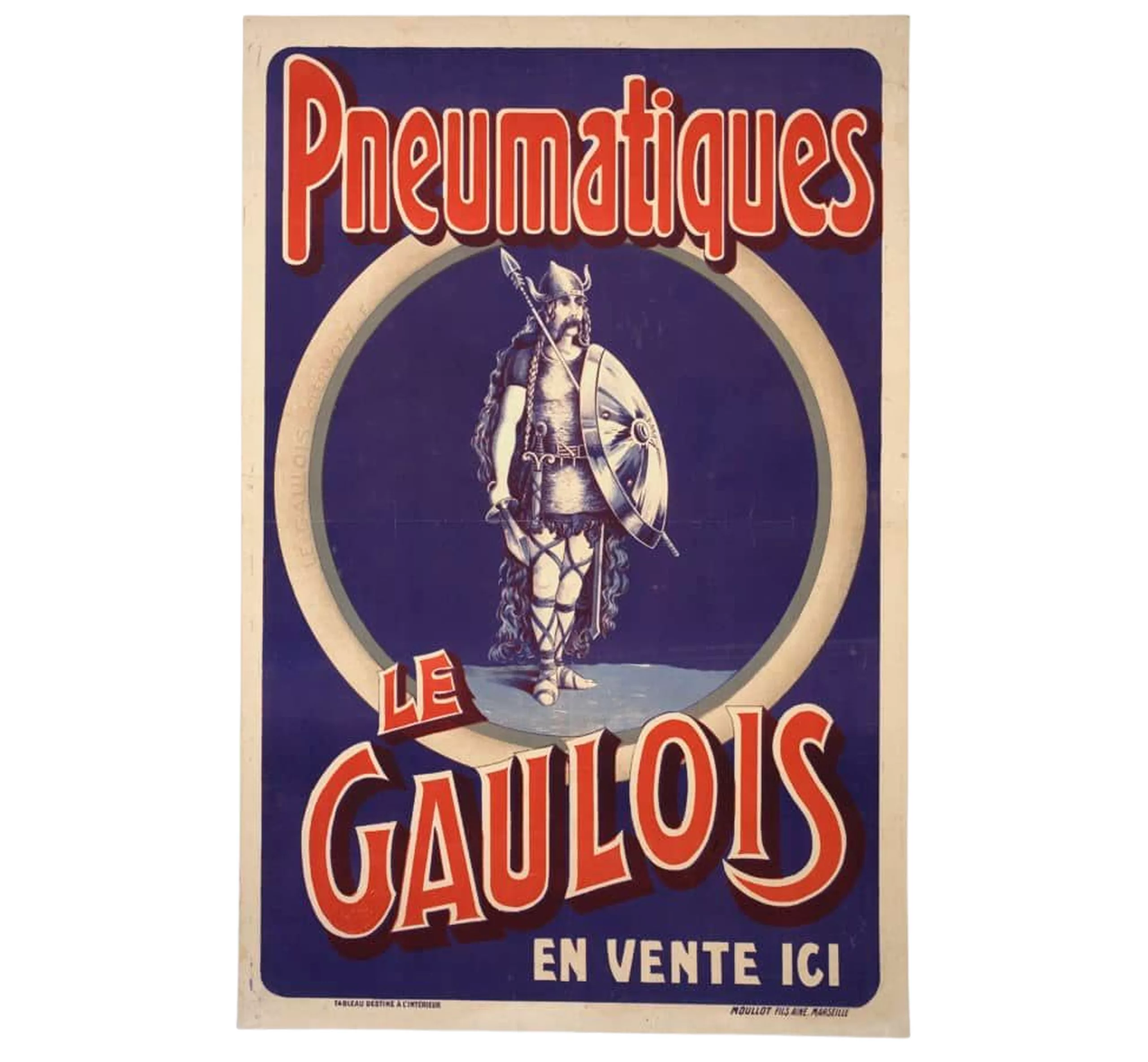
Today, more than ever, Alésia is synonymous with a distinctive brand image and enduring traditions.
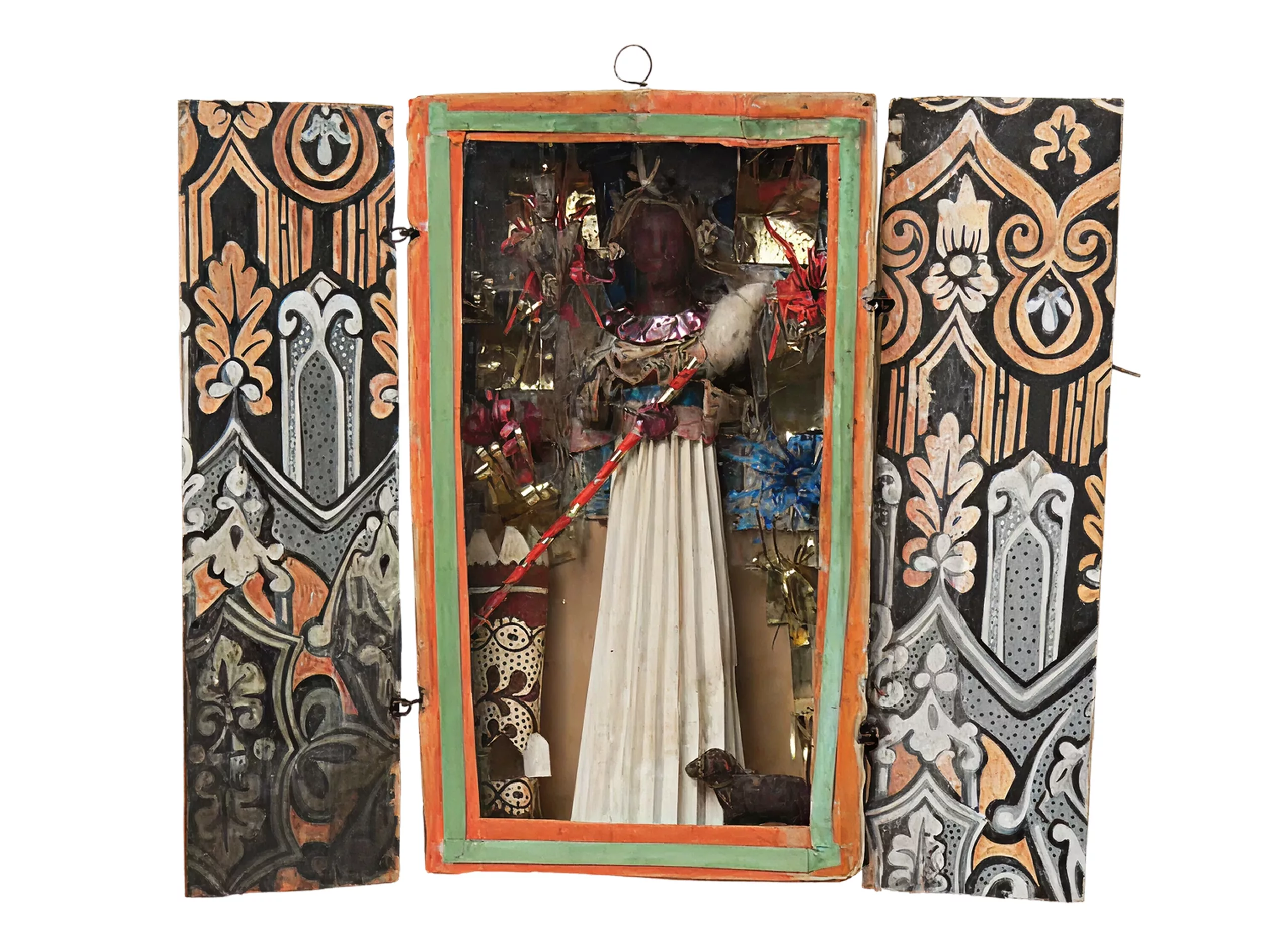
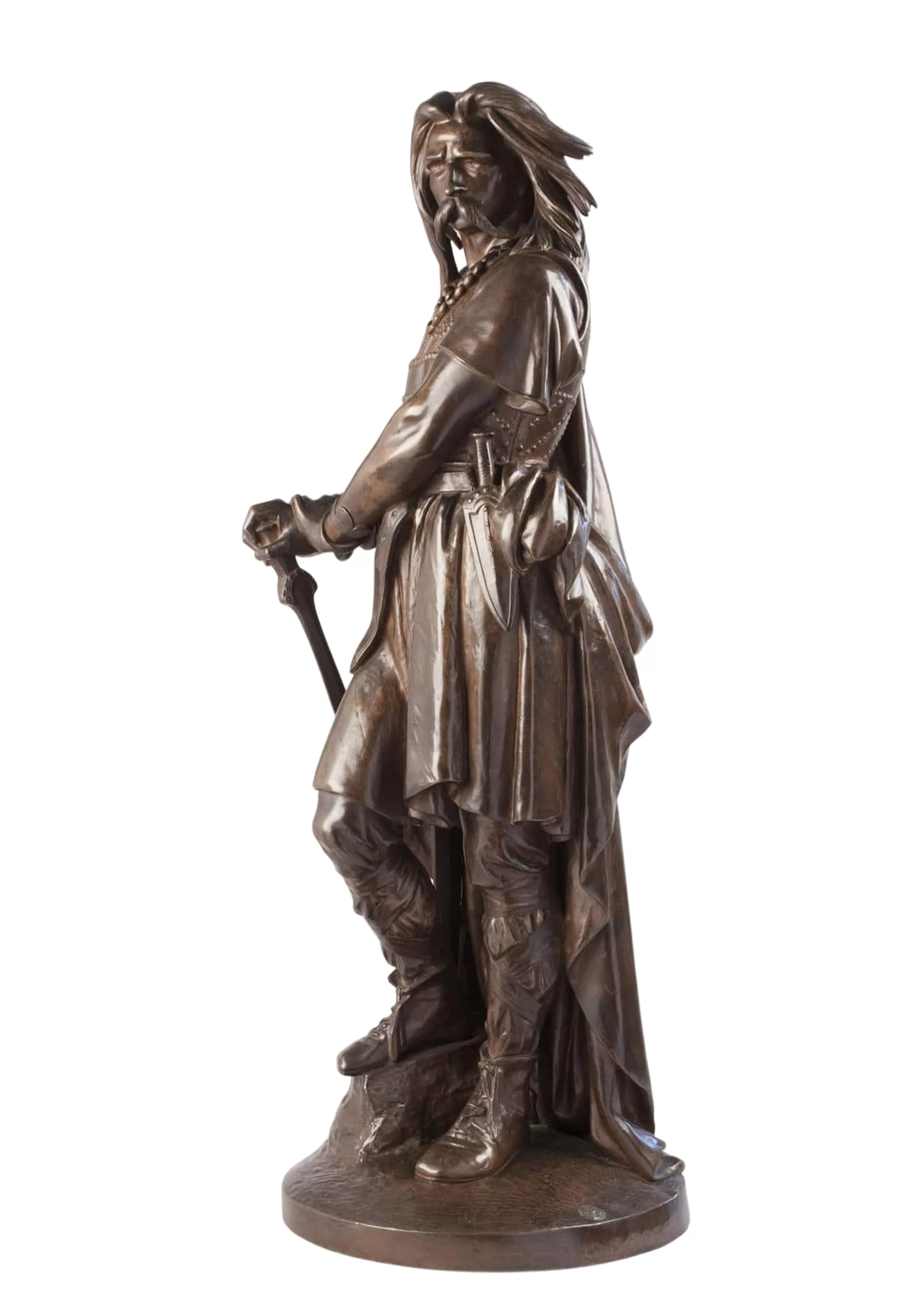
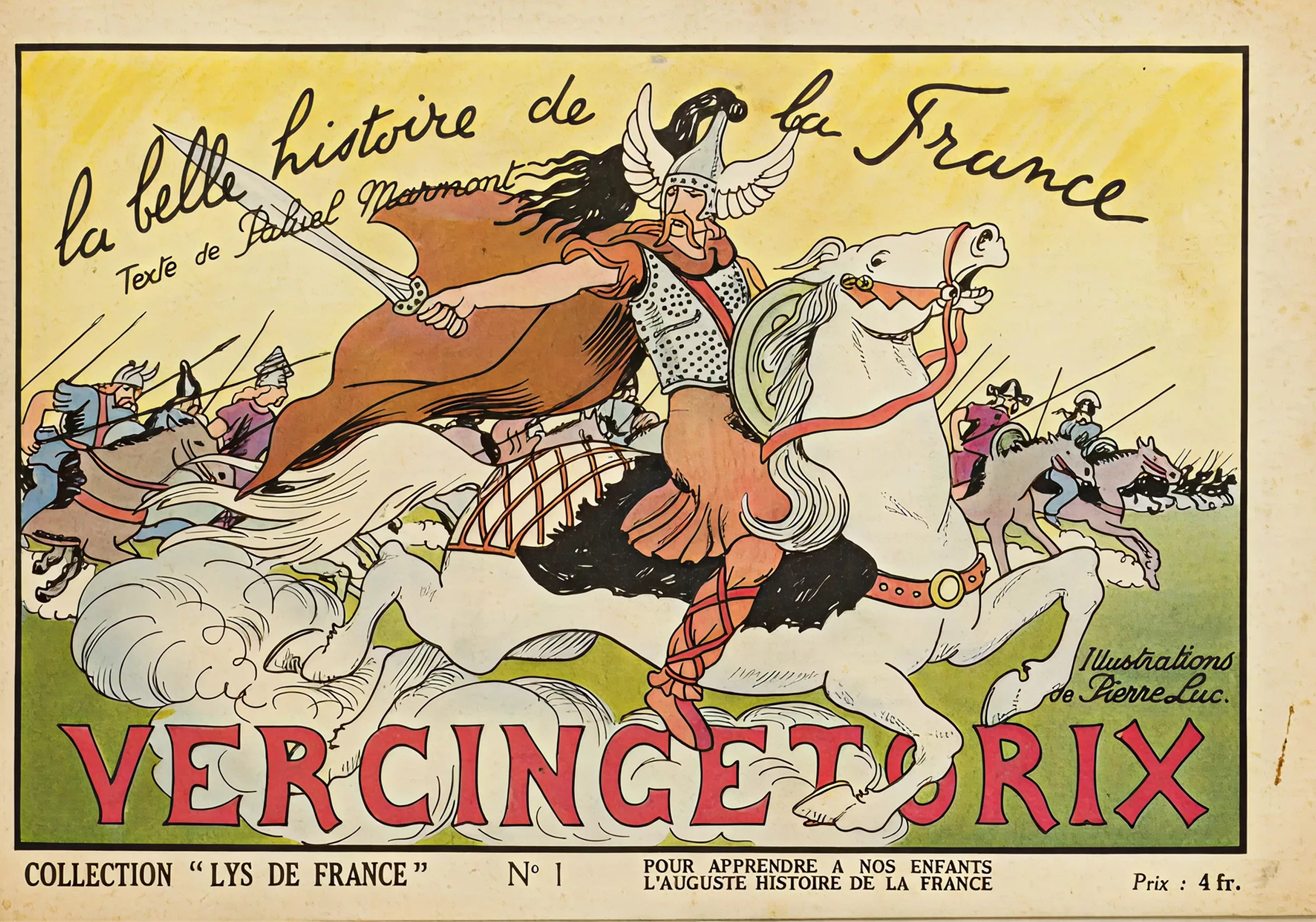
The collection reflects this complexity and, in addition to archaeology, is enriched by items from the fields of ethnology, antiquarian books and the fine arts, following four main areas of acquisition: the image of the Gaul and the myth of Gallic origins, the myth of Alesia, early editions of the “Commentaries on the Gallic War”, and the local cult of Saint Reine, whose mystery is celebrated every year.
Alésiathèque, Documentation Centre and Media Library.
In a warm and welcoming setting, discover a varied collection of resources on the history of Alesia, antiquity, archaeology, the myth of origins… By appointment, you can access the site’s archives and those of the archaeological excavations, which constitute a key resource for anyone undertaking research.