Antique Games
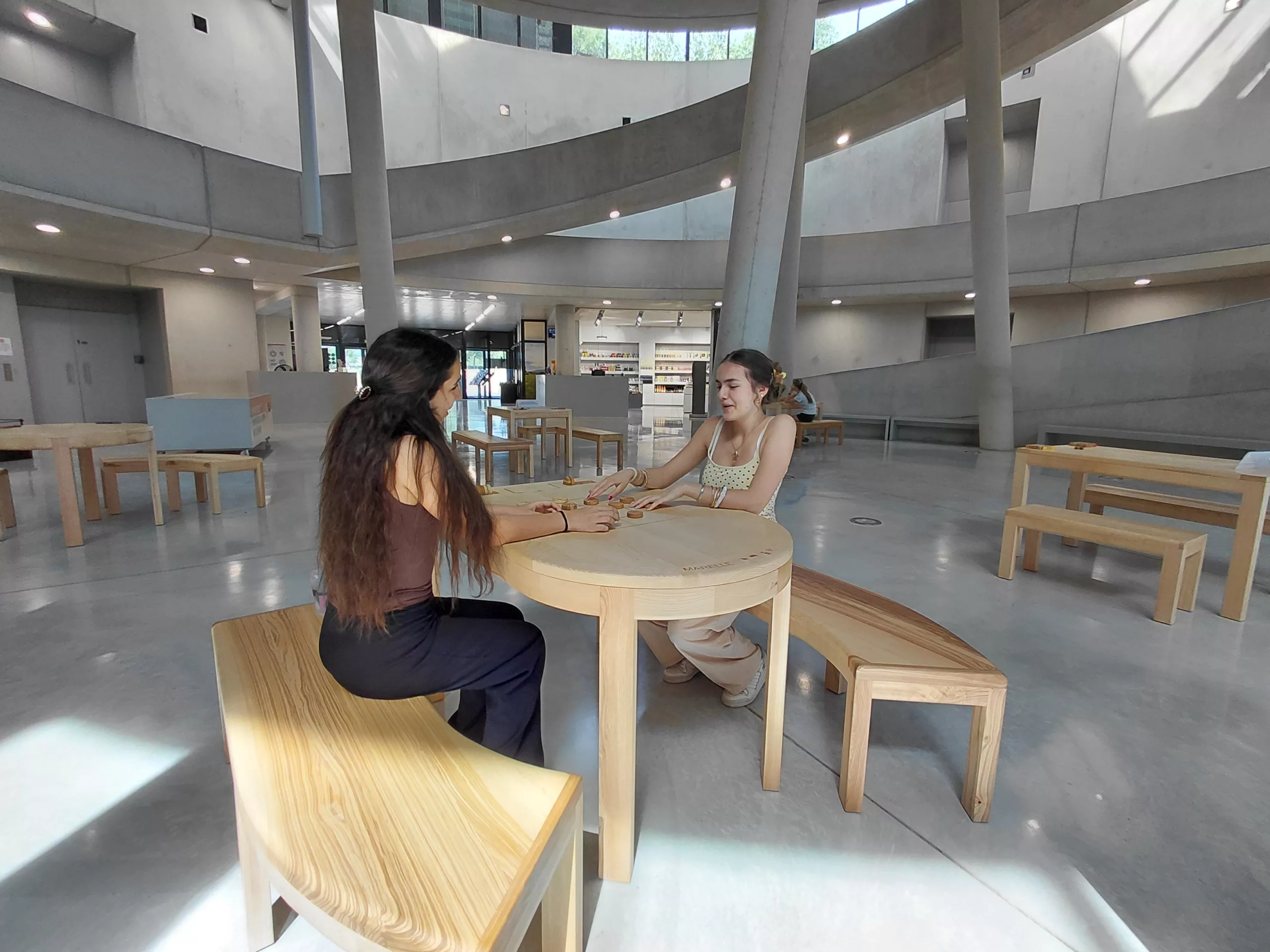
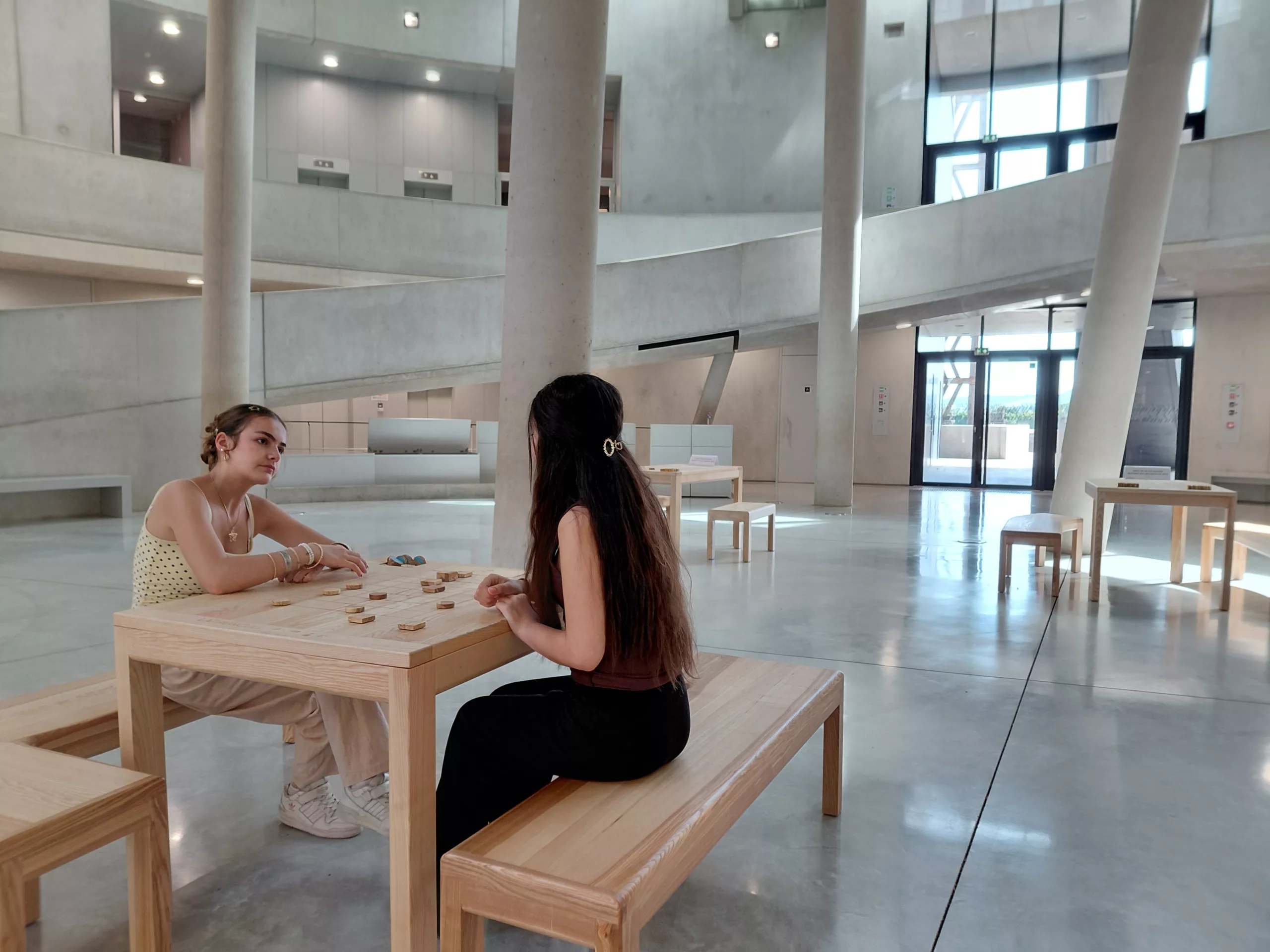
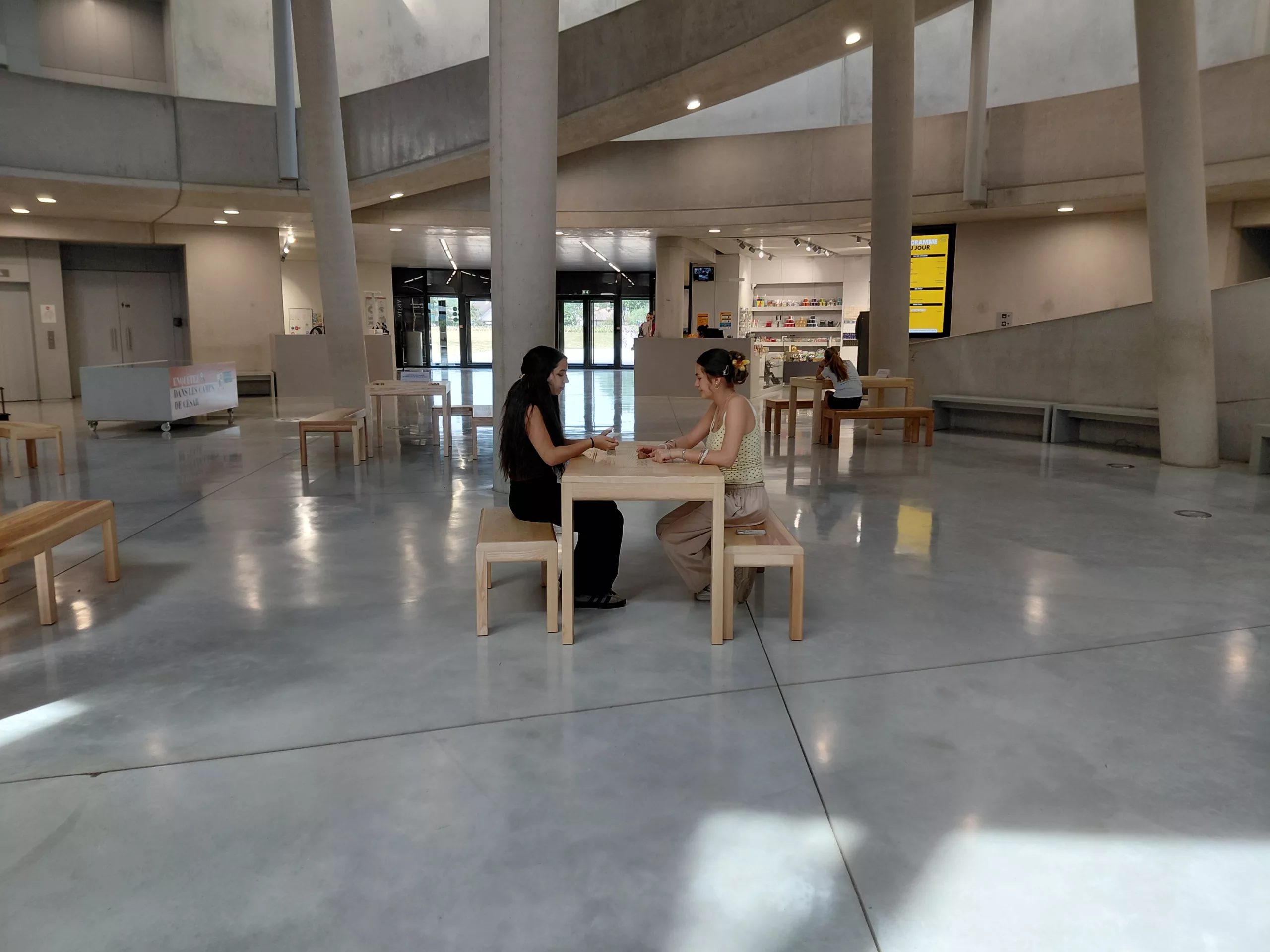
Antique games tables at the museum
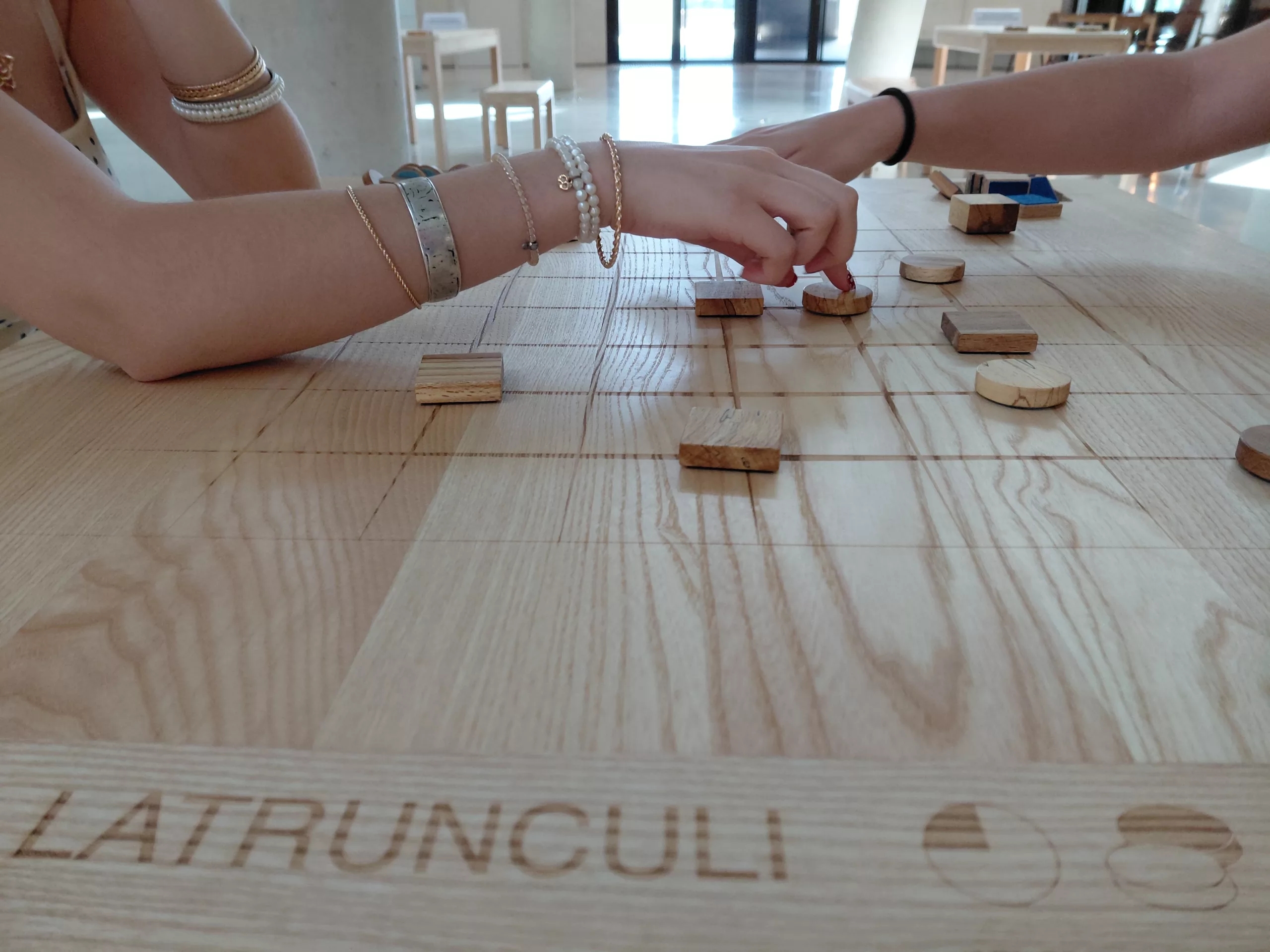
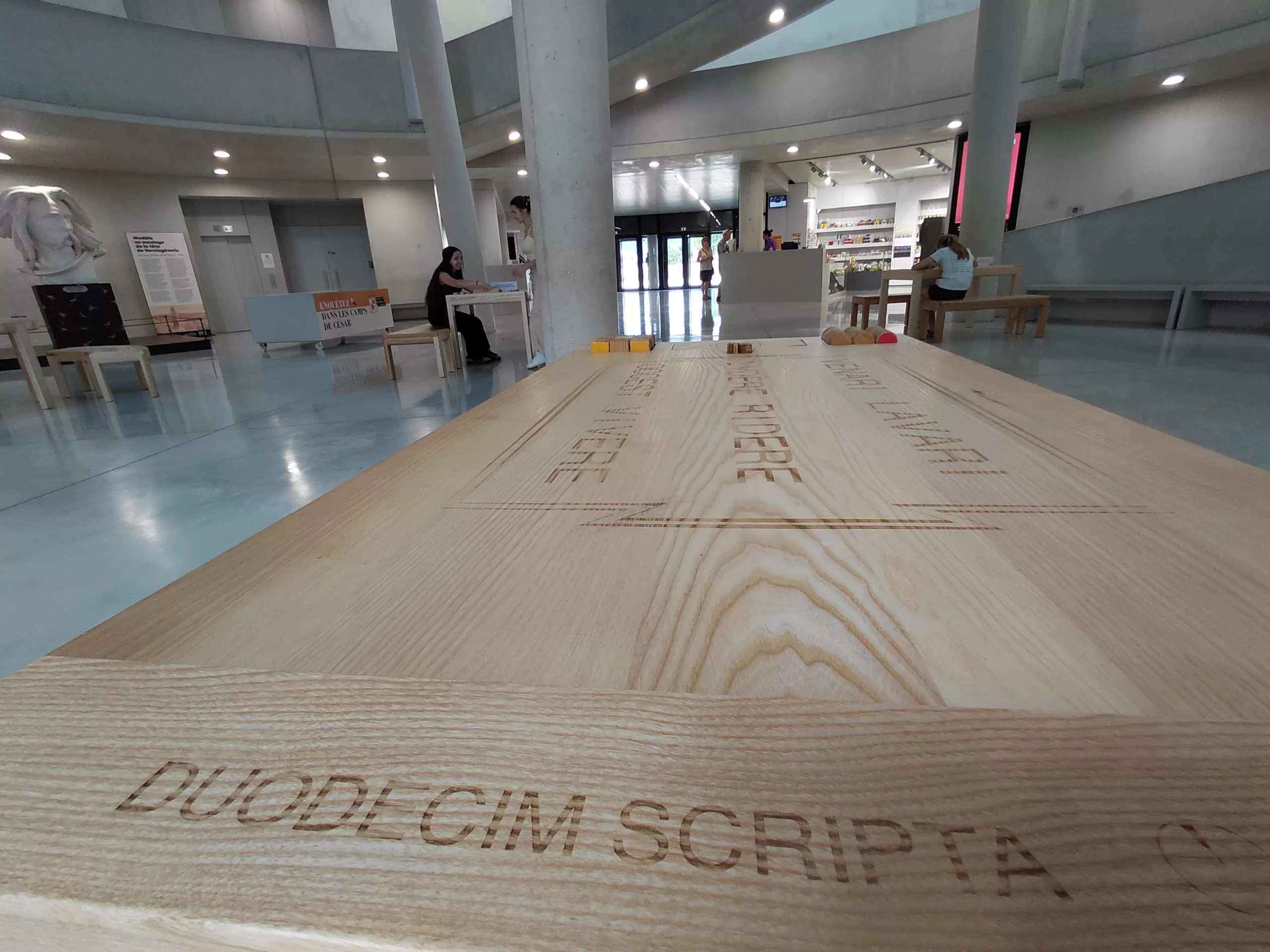
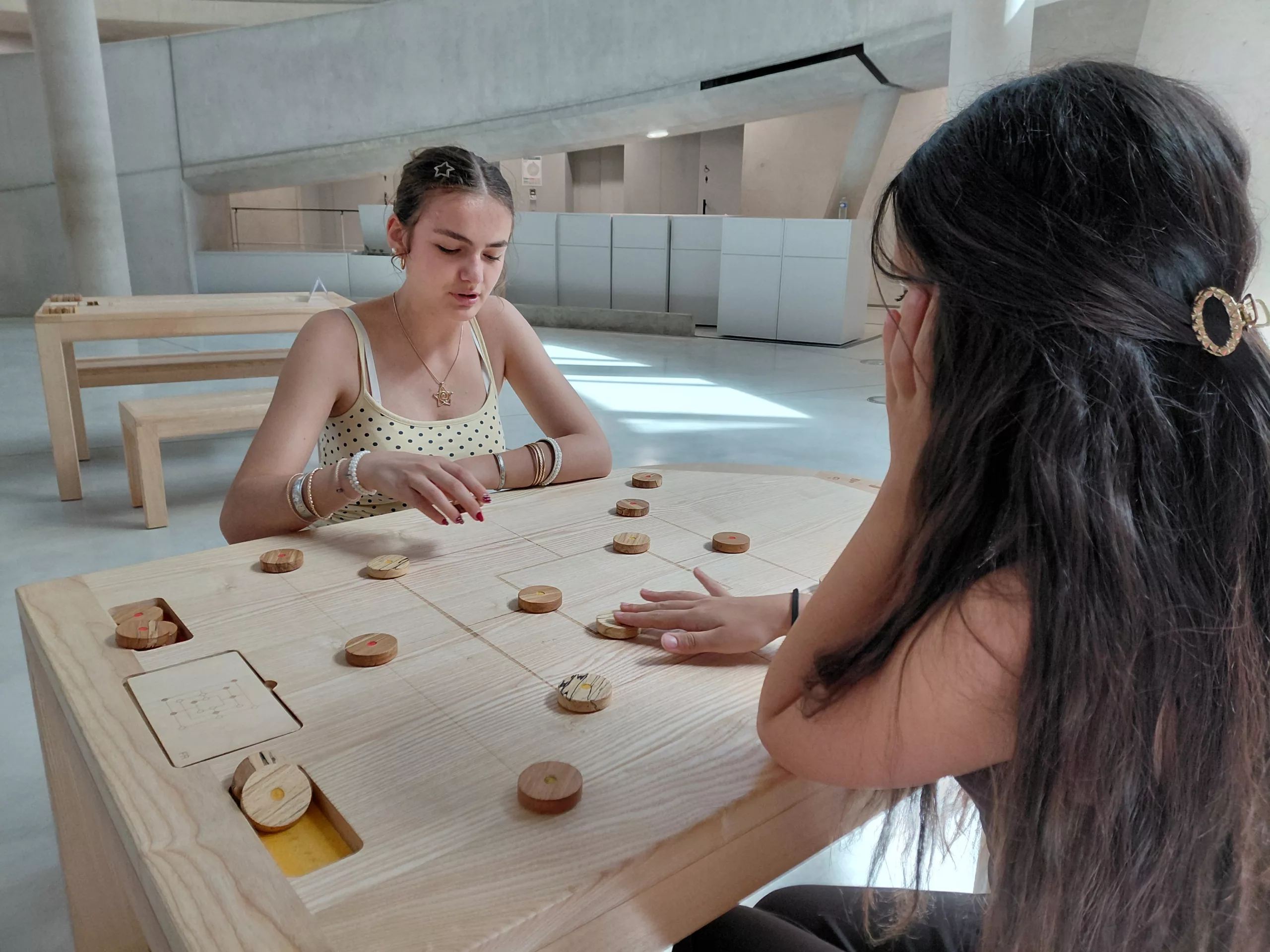
2,000 years ago, everyone played: children, adults and even the gods! Step back in time and discover the board games of antiquity: Archimedes’ puzzle, Hopscotch, Three-player Hopscotch, the Game of the Twelve Characters, and even Latroncules, the favourite strategy game of Roman legionaries.
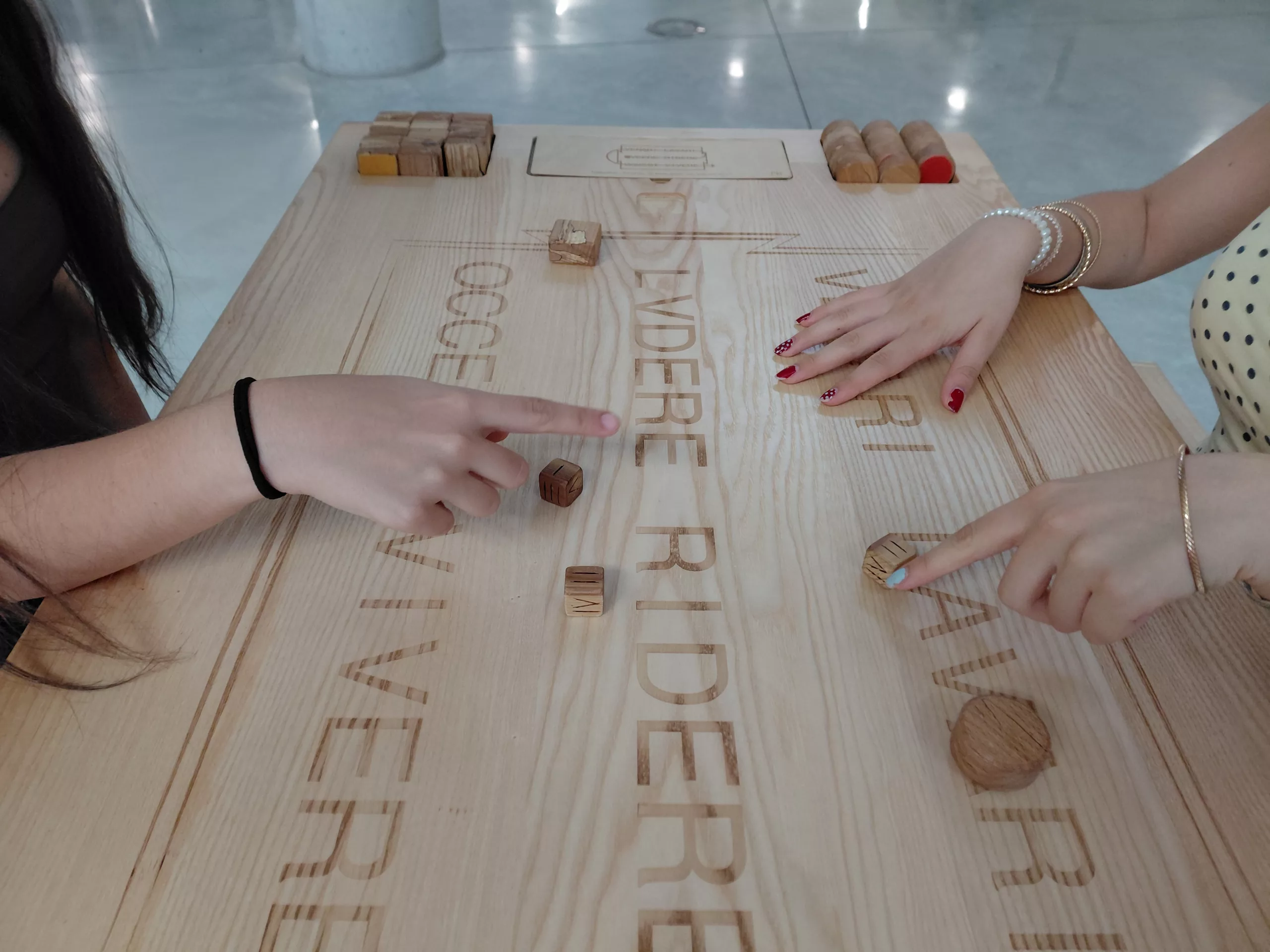
We know about these games from the depictions on funerary stelae, from Greek and Latin written accounts, and also from artefacts discovered during excavations. At Alesia, amongst the ruins of the Gallo-Roman town, dice, numerous tokens and boards carved into stone or on the bases of ceramic dishes have been unearthed. Using these often fragmentary clues, archaeologists have patiently pieced together the rules of these games. You’ll be surprised to find that some of these customs are still practised today! Now it’s your turn to play! With family or friends, have a go at a game by following the rules…
A local designer to breathe new life into antique games
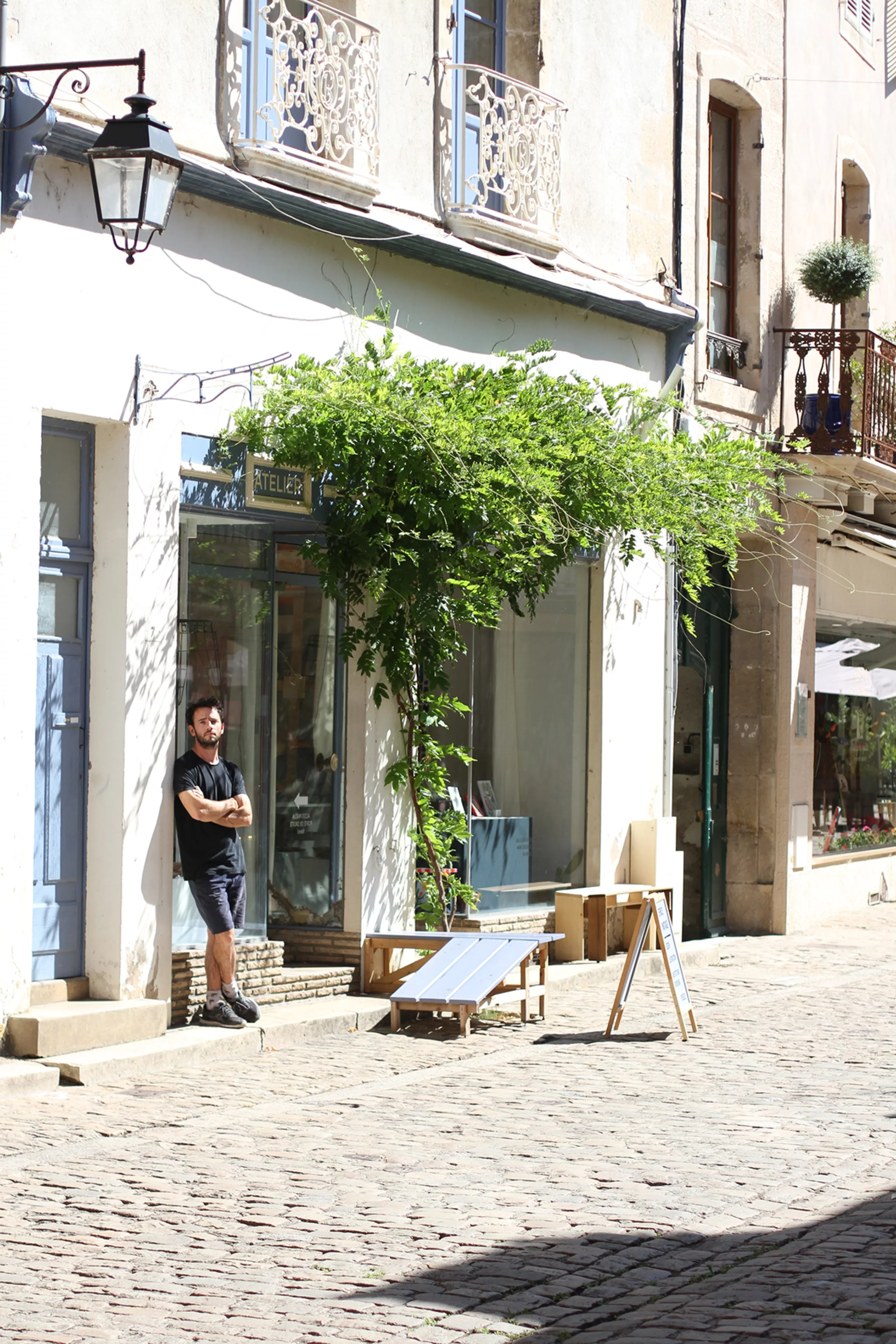
As part of a creative residency, the MuséoParc Alésia welcomed Jules Levasseur, a designer based in Semur-en-Auxois, to design new games tables inspired by board games from antiquity. This project forms part of an effort to refresh the range of interactive activities on offer to visitors, combining aesthetic rigour with practicality and the sharing of knowledge.
-
Trained at the Reims School of Art and Design, Jules Levasseur has developed a practice at the crossroads of design, art, craftsmanship and industry. His work is based on close collaboration with local businesses and craftspeople — metalworkers, glassmakers, upholsterers and metal smiths — whom he regards as essential partners in the creative process. Based in the Côte-d’Or since 2020, he chose to set up his studio as close as possible to these traditional skills, at the heart of his region. His work, which has been acclaimed by critics, has been included in prestigious collections: the ‘Table S’ joined the collections of the Mobilier National in 2025, whilst several prototypes and pieces of furniture were added to the collections of the Centre Pompidou from 2020 onwards. He also received the Côte-d’Or Talent Award in 2021 and 2022, in collaboration with the company Métal Déployé in Montbard.
-
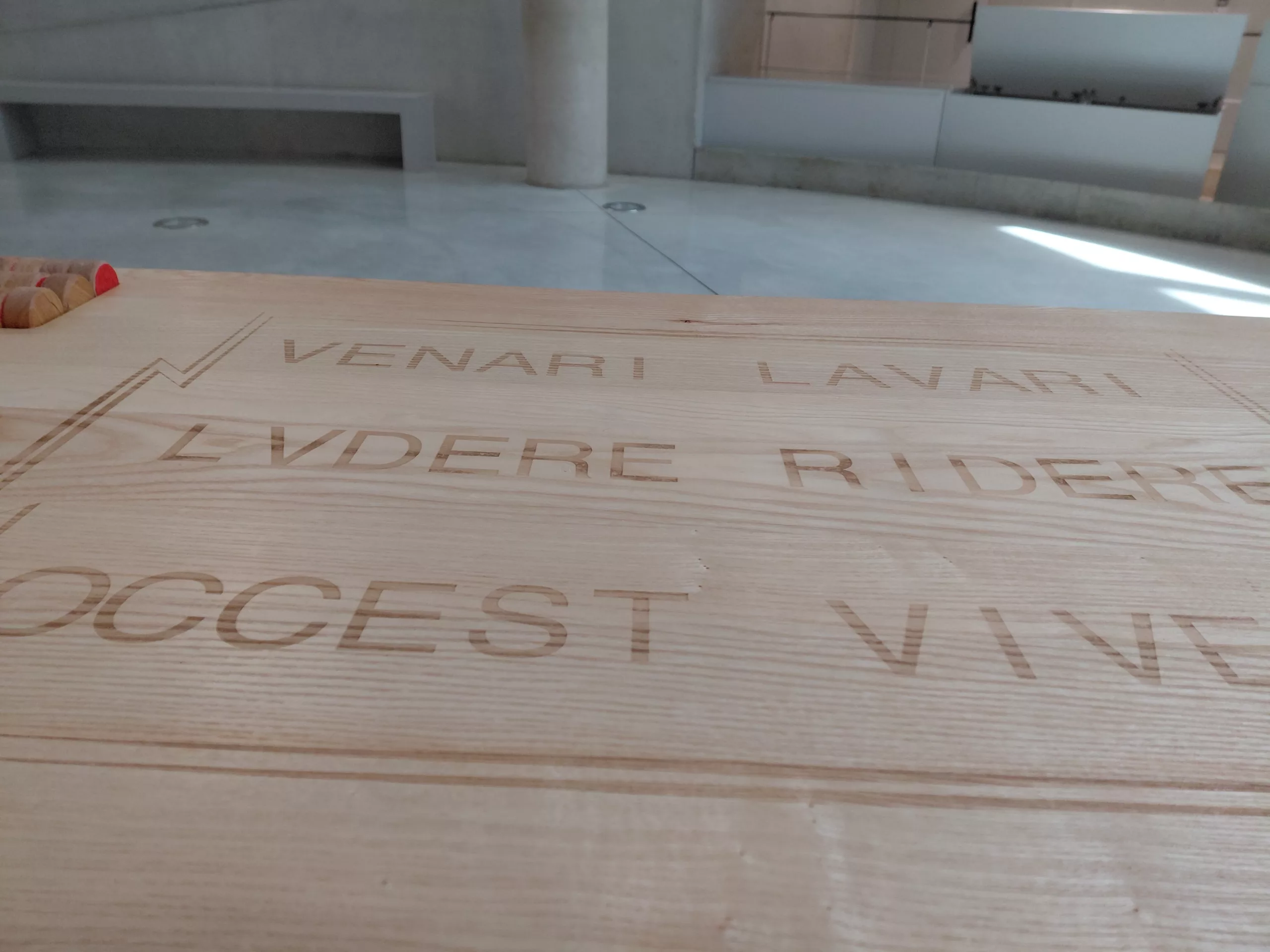
“The proposal pays tribute to the archaeological professions and the scientific practice of the MuséoParc Alésia. Characterised by its playful nature and rich formal diversity, it comprises five sets of distinctive furniture, with shapes that complement one another across tables and seating. Made entirely from solid wood, the furniture is divided into its functional parts (seats, playing surfaces) and the bases, which are simplified into straightforward segments that appear to extend the shapes of the surfaces. Evoking archaeological sites where ancient structures are reconstructed, the tables and seats form a single whole whilst existing independently of one another. This design allows visitors to gather round a game, bringing families or visitors together whilst preserving the dual nature of the games. It also offers the opportunity to identify the games and their distinctive features thanks to the dimensions and shapes of the furniture. Finally, much like an installation, this proposal can be experienced both from the Atrium and as it unfolds on the upper floor, where visitors seem to be immersed in a playful and functional archaeological discovery. This furniture can also be upholstered for comfort, thereby adding a splash of colour to the monochrome concrete space.”